July 13 2023
In recent years, Zimbabwe has been facing severe economic challenges, including hyperinflation and a shortage of foreign currency. To address these issues, the Reserve Bank of Zimbabwe (RBZ) has embarked on a project to introduce a digital currency backed by gold. This move aims to provide a stable and secure means of exchange for the country’s citizens and businesses.
The RBZ has partnered with various stakeholders, including financial institutions and technology companies, to develop and test the new digital currency. The pilot phase of the project involves conducting trials to assess the feasibility and functionality of the system. These trials are being conducted in collaboration with selected merchants and consumers who have volunteered to participate.
The digital currency is expected to operate on a blockchain-based platform, which will ensure transparency, security, and immutability of transactions. By leveraging blockchain technology, the RBZ aims to create a decentralized system that eliminates the need for intermediaries and reduces transaction costs.
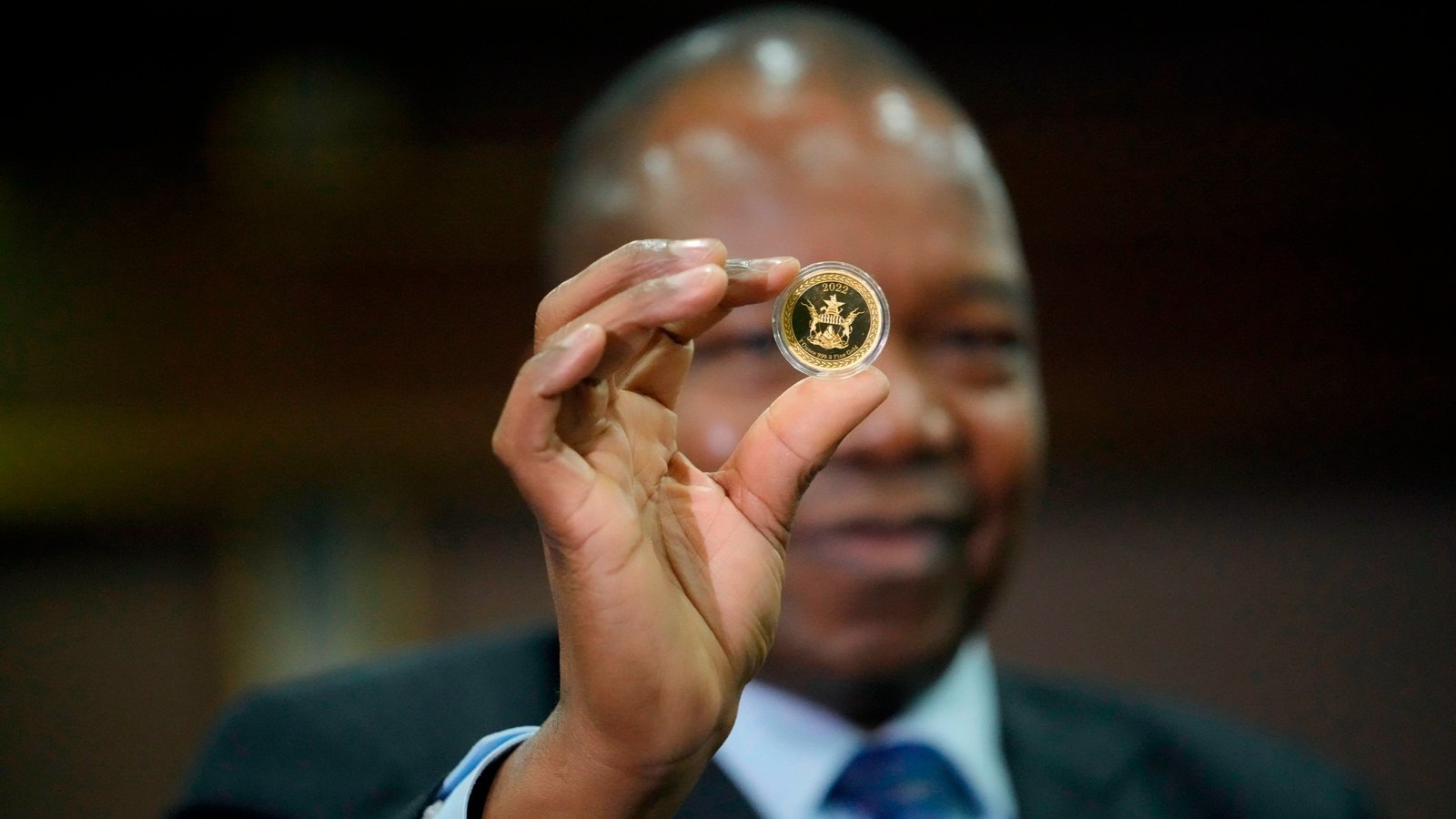
One of the key features of the digital currency is its backing by gold reserves. This means that each unit of the digital currency will be redeemable for a specific amount of gold. The RBZ believes that this backing will instill confidence in the currency and provide stability in an economy plagued by hyperinflation.
The introduction of a gold-backed digital currency also has the potential to attract foreign investment. Zimbabwe is known for its vast mineral resources, including gold, and leveraging these resources to back its digital currency could make it an attractive investment opportunity for international investors.
Furthermore, the digital currency could help address some of the challenges associated with traditional banking systems in Zimbabwe. With limited access to banking services, many Zimbabweans rely on informal channels for financial transactions. The introduction of a digital currency could provide a formal and secure alternative for conducting transactions, thereby promoting financial inclusion.
However, there are also concerns surrounding the implementation of a digital currency in Zimbabwe. One of the main concerns is the potential for fraud and cyber attacks. The RBZ will need to ensure robust security measures are in place to protect users’ funds and personal information.
Additionally, the success of the digital currency will depend on its acceptance by merchants and consumers. Education and awareness campaigns will be crucial in promoting the benefits of the digital currency and encouraging its adoption.
Zimbabwe’s move towards a gold-backed digital currency represents an innovative approach to address the country’s economic challenges. By leveraging blockchain technology and gold reserves, the Reserve Bank of Zimbabwe aims to provide a stable and secure means of exchange for its citizens. While there are challenges to overcome, the introduction of a digital currency has the potential to promote financial inclusion, attract foreign investment, and contribute to the overall economic stability of Zimbabwe.
photo source Google
Delino Gayweh
Serrari Financial Analyst