
Zambia has received a disbursement of $184 million from the International Monetary Fund (IMF) following a successful fourth review of its Extended Credit Facility (ECF) arrangement. This brings the total disbursement under the 38-month program to $1.3 billion. The funding offers crucial support as Zambia grapples with economic challenges, including high inflation, drought-induced agricultural declines, and lingering debt vulnerabilities.
The Extended Credit Facility: A Foundation for Recovery
The ECF arrangement, approved on August 31, 2022, for Special Drawing Rights (SDR) of 978.2 million ($1.3 billion), was augmented to SDR 1.27 billion (approximately $1.7 billion) in June 2024. This program aligns with Zambia’s Eighth National Development Plan, focusing on:
- Macroeconomic Stability: Ensuring fiscal and monetary policies promote sustainable growth.
- Debt and Fiscal Sustainability: Addressing Zambia’s high debt distress risk and restoring fiscal health.
- Public Governance: Enhancing transparency and efficiency, especially in managing state-owned enterprises.
- Inclusive Growth: Targeting improvements in living standards, particularly for vulnerable populations.
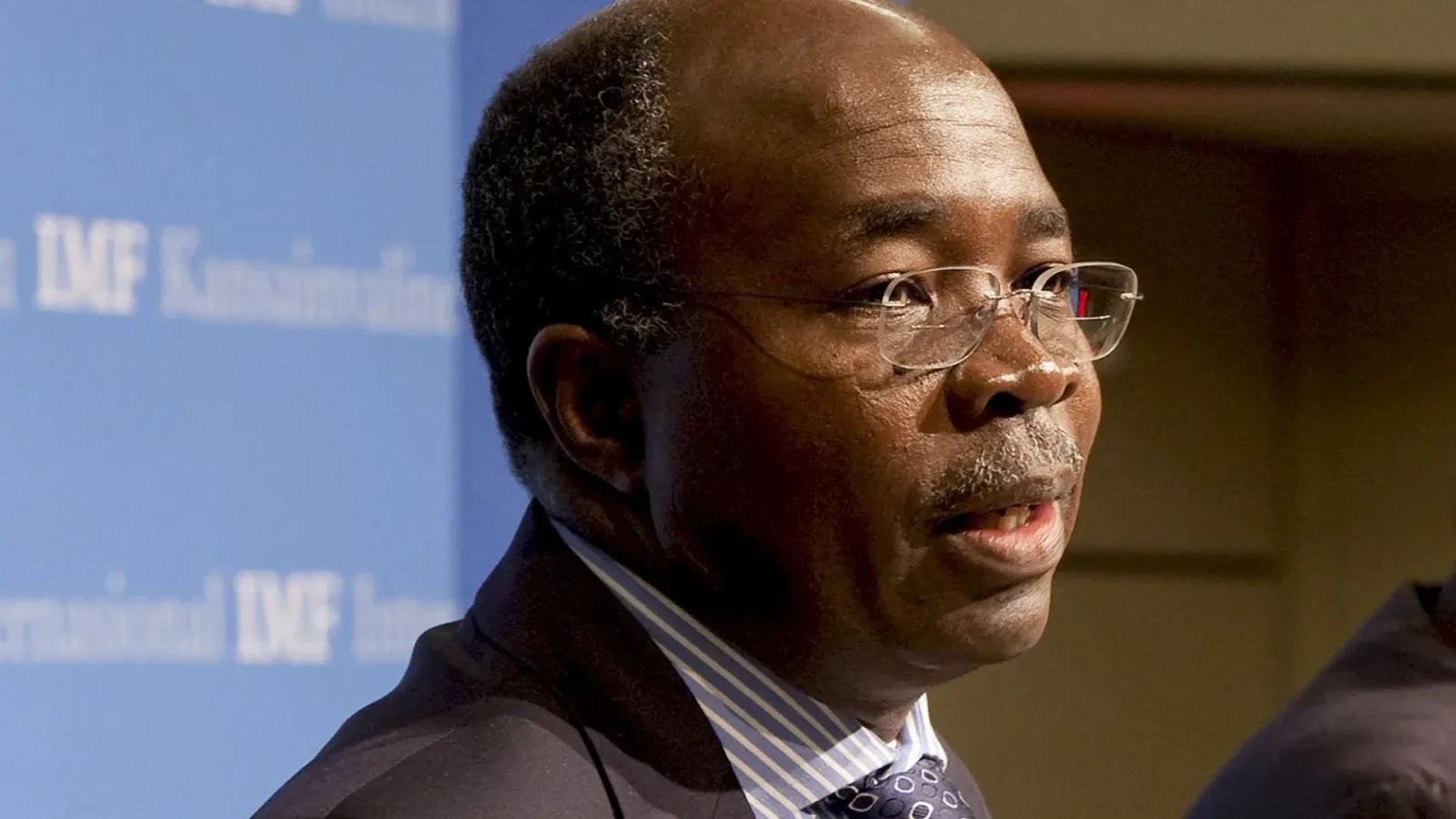
Nigel Clarke, the IMF’s second deputy managing director, commended Zambia’s program performance as satisfactory. He emphasized the importance of fiscal consolidation, prudent monetary policy, exchange rate flexibility, and sound financial policies for building resilience against future shocks.
Economic Performance and Challenges
Despite the IMF’s support, Zambia faces significant hurdles that have constrained its economic growth and increased inflationary pressures.
- Economic Growth Decline:
Zambia’s economic growth is projected to slow to 1.2% in 2024, down from the earlier projection of 2.3%. The primary drivers of this decline include:- Drought Conditions: Severe drought has reduced agricultural output, a critical sector for Zambia’s economy.
- Electricity Production: Lower hydropower generation has exacerbated energy shortages, impacting industries and households alike.
- Inflationary Pressures:
Inflation has continued to rise, driven by:- Higher Food Prices: The drought has reduced crop yields, pushing up food costs.
- Currency Depreciation: Previous weaknesses in the Zambian kwacha have increased import costs.
- Debt Sustainability Concerns:
Zambia remains at high risk of debt distress, with near-term breaches of debt sustainability thresholds. However, the IMF expects the country to transition to a moderate risk of external debt distress over the medium term. The following measures are critical:- Expanding the Tax Base: Broadening revenue streams to increase fiscal space.
- Harmonizing Corporate Taxes: Ensuring fair and consistent taxation policies.
- Indexing Excises: Adjusting excise taxes to inflation or economic growth metrics.
Progress on Debt Restructuring
Zambia has made strides in addressing its debt crisis, including restructuring agreements with official creditors, Eurobond exchanges, and engaging with commercial creditors. While public debt remains sustainable, the risk of distress highlights the importance of sustained reforms and fiscal discipline.
The IMF’s macro-framework for Zambia incorporates:
- Official Bilateral Claims: Agreements with creditors to reduce and restructure debt.
- Eurobond Adjustments: Revisions to Zambia’s external bond obligations.
- Revenue Mobilization: Measures to enhance collection efficiency and transparency.
IMF’s Recommendations for Zambia
The IMF has outlined a comprehensive roadmap to support Zambia’s recovery:
- Fiscal Consolidation:
Zambia’s commitment to reducing its fiscal deficit through prudent budgeting and expenditure management is central to the program. Fiscal consolidation is expected to create the fiscal space necessary to support vulnerable populations and invest in critical infrastructure. - Reserve Accumulation and Exchange Rate Flexibility:
By rebuilding foreign reserves and allowing the kwacha to respond flexibly to market forces, Zambia aims to enhance its external stability and protect against future shocks. - Strengthening Governance:
Transparency in public spending, particularly for state-owned enterprises, is vital. This includes auditing government accounts and ensuring funds are directed toward priority sectors such as health, education, and social protection. - Contingency Measures:
The IMF has advised Zambia to prepare contingency revenue and expenditure measures to mitigate risks associated with drought recovery and other unforeseen economic disruptions.
Impact on Zambian Households
The economic challenges have taken a toll on Zambian households, particularly vulnerable groups:
- Food Insecurity:
The drought has exacerbated food shortages, raising the cost of basic staples and increasing malnutrition risks. - Energy Shortages:
Reduced electricity supply has disrupted daily life and business operations, increasing reliance on costly alternatives. - Inflation’s Burden:
Rising prices for essential goods and services have eroded purchasing power, disproportionately affecting low-income households.
The IMF has stressed the importance of social safety nets to protect vulnerable groups during this challenging period.
Zambia in a Regional Context
Zambia’s economic struggles mirror broader trends in Sub-Saharan Africa, where many countries face similar challenges:
- Debt Distress: A significant number of African nations are grappling with unsustainable debt levels, limiting their ability to invest in growth.
- Climate Impacts: Droughts and other climate-related events have disrupted agriculture, a key sector for many economies in the region.
- Global Economic Shifts: Rising interest rates and geopolitical tensions have reduced access to affordable external financing.
Zambia’s ability to navigate these challenges through effective policies and international support will set a precedent for other nations in the region.
Outlook for 2025 and Beyond
The IMF remains cautiously optimistic about Zambia’s recovery prospects, provided the government maintains its reform trajectory. Key milestones for the coming years include:
- Economic Diversification:
Reducing reliance on agriculture and mining by fostering growth in manufacturing, tourism, and technology sectors. - Climate Adaptation:
Investing in climate-resilient infrastructure and diversifying energy sources to reduce vulnerability to droughts. - Debt Management:
Continued progress in restructuring and repayment, coupled with sustainable borrowing practices, will be crucial. - Inclusive Growth:
Ensuring that economic gains are equitably distributed to improve living standards and reduce poverty.
Conclusion: A Long Road to Stability
The IMF’s $184 million disbursement represents a vital lifeline for Zambia as it works to stabilize its economy and address structural challenges. While the funding provides immediate relief, the road to recovery requires sustained effort from both the Zambian government and its international partners.
Fiscal prudence, governance reforms, and targeted investments will be essential to achieving long-term stability and resilience. For the Zambian people, these measures offer hope for a brighter and more equitable future amidst ongoing economic uncertainty.
Ready to take your career to the next level? Join our dynamic courses: ACCA, HESI A2, ATI TEAS 7 , HESI EXIT and NCLEX – RN !🌟 Dive into a world of opportunities and empower yourself for success. Explore more at Serrari Ed and start your exciting journey today! ✨
photo source: Google
By: Montel Kamau
Serrari Financial Analyst
18th December, 2024