
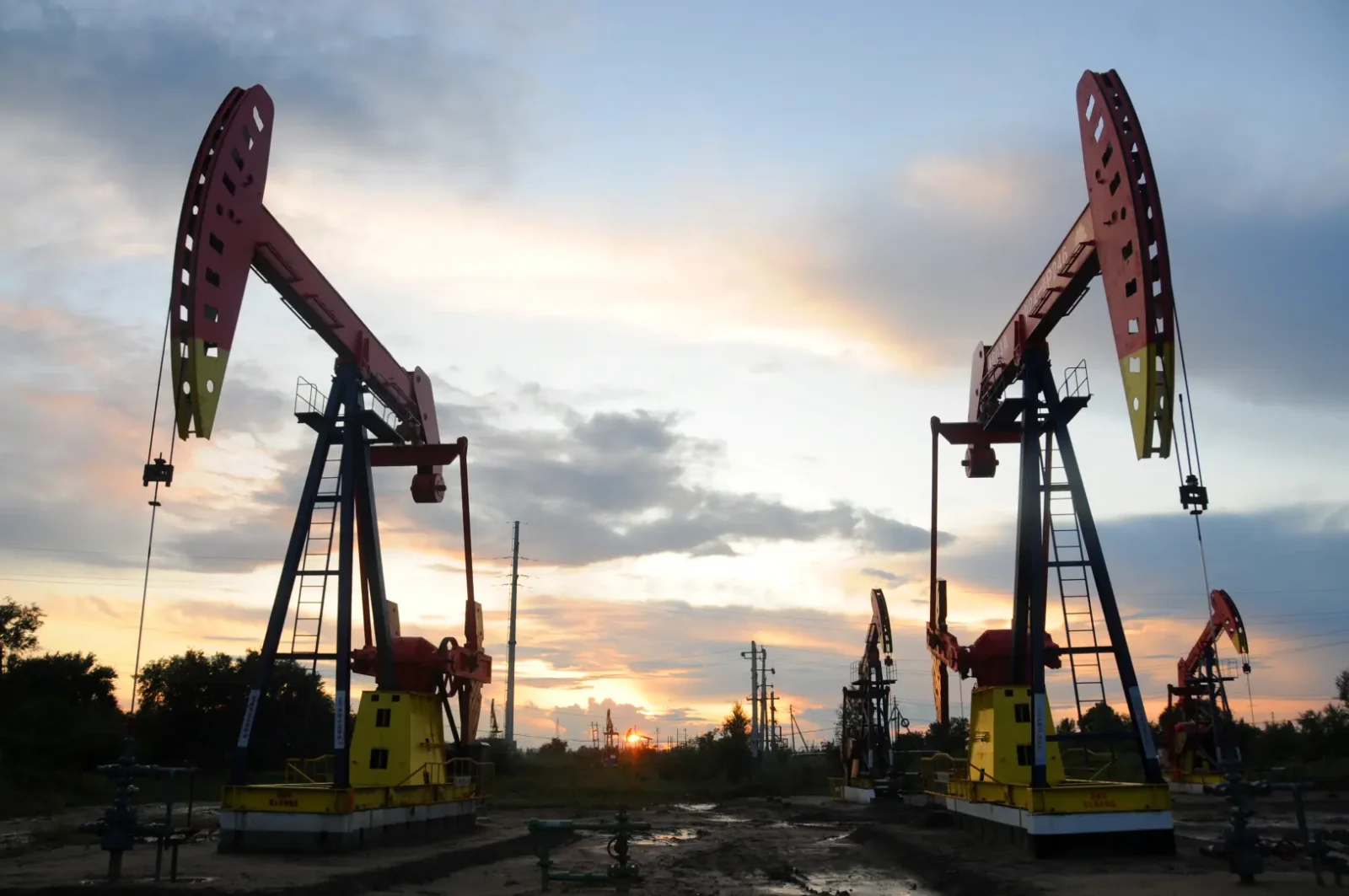
West Texas Intermediate (WTI) crude continued its slide for a third straight session on Wednesday, trading near $59.50 a barrel during Asian hours. The benchmark is on track for its biggest monthly drop—down more than 15 percent—since November 2021, as mounting fears over slowing global growth, weakening fuel demand and rising supply combine to sap investor confidence.
A steep slide amid recession jitters
April has seen oil markets hit by a confluence of negative drivers. A renewed flare-up in U.S.–China trade tensions—sparked by sweeping tariff announcements on all imports to the United States early this month—has sent shockwaves through global supply chains. China’s factory activity contracted at the fastest pace in 16 months, reflecting both a pullback in export orders and tepid domestic spending. In Europe, business surveys have hovered perilously close to stagnation, with the euro-zone composite purchasing-managers index barely above the 50-point threshold separating growth from contraction. Even in the United States, consumer sentiment has soured: the Conference Board’s index plunged to 86.0 in April, its weakest reading since May 2020, as households worry about rising living costs and economic uncertainty.
Against this backdrop, oil traders have thrown in the towel on bullish bets. WTI has tumbled from a mid-month peak near $70, and Brent crude has fallen toward $63, as traders brace for a prolonged lull in demand. The worry is that a global slowdown will sap fuel consumption—from jet kerosene to gasoline—just as producers ramp up output.
Supply headwinds: gluts and fast-tracking output
On the supply side, data from industry groups show U.S. crude inventories surged by 3.8 million barrels last week, far outpacing analysts’ expectations of a modest build. Shale producers, who had stretched production to record highs above 13.5 million barrels per day earlier this year, have begun to reassess expansion plans in light of unprofitable price levels. While the Permian Basin still churns out close to 5 million barrels per day, some independents are pausing new well starts as steel costs rise under fresh tariffs on imported materials.
Meanwhile, the Organization of the Petroleum Exporting Countries and its allies—known collectively as OPEC+—are weighing faster output increases at their upcoming May 5 meeting. Several members have already signaled they will press for a larger-than-planned supply boost in June, following an unexpected decision in early April to raise production by 411,000 barrels per day in May. Those moves, intended to reclaim market share from U.S. shale, risk piling more supply onto an already soft market.
Demand strains from East to West
The trade war’s impact on East Asian economies has been stark. China’s factory slowdown has cut into demand for diesel and light oils used in shipping and manufacturing. Japanese refiners report weak export orders for naphtha, a key petrochemical feedstock, while South Korean refiners have dialed back run rates to manage inventories. In India, long a bright spot for fuel consumption growth, government subsidies on cooking gas and electricity have squeezed refining margins, prompting some refiners to seek export markets for surplus diesel.
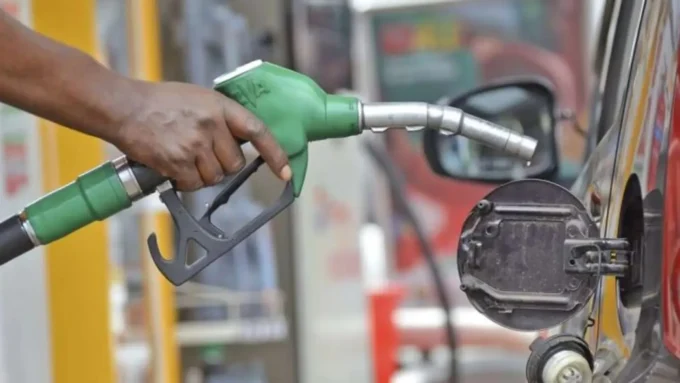
In Europe, car sales are stalling, and airlines face stubborn fare weakness as business travel hesitates to recover fully. With the spring driving season fast approaching in North America, U.S. motorists have yet to show the usual seasonal uptick in gasoline purchases; the national average pump price has dipped below $3.10 a gallon, down roughly eight percent from a year ago, a relief for consumers but a worrying sign for refiners.
Financial markets flicker with caution
Oil’s slide has rippled through financial markets. Energy equities have underperformed the broad indexes, with major integrated oil companies slipping two to three percent in recent sessions. Bank analysts have trimmed price forecasts, warning that tariffs and potential OPEC+ gluts could keep crude below $65 for the rest of the summer. Futures markets have swung into contango, where later-dated contracts trade at a premium to front-month prices—an indicator that traders expect further weakness or are reluctant to hold immediate delivery. Open interest in options on WTI has risen, reflecting a surge in bearish bets and volatility hedges.
The U.S. dollar has weakened slightly as investors rotate into safe-haven yen and Swiss franc amid global growth worries, but remains buoyed by expectations of Federal Reserve rate cuts only later in the year. That dynamic has further undercut oil, which is priced in dollars and becomes more expensive for holders of other currencies.
Shale’s somber reckoning
For U.S. shale operators, the slump poses a stark choice: cut capital spending or risk eroding margins. The Energy Information Administration and the International Energy Agency recently trimmed their U.S. production forecasts by 100,000 to 150,000 barrels per day for 2025, citing both cost pressures and lackluster demand growth. Oilfield service companies have already begun to feel the pain—Halliburton, Baker Hughes and Schlumberger are set to report weaker revenues as drilling activity falls and clients defer equipment upgrades. The Baker Hughes rig count shows only modest week-to-week gains in some basins, but overall rig numbers remain five to six percent below year-ago levels.
That retrenchment could eventually help rebalance the market, but for now it underscores the fragility of supply chains and the sensitivity of high-cost producers to price shifts. Small independents in high-cost basins such as the Powder River and Bakken are especially exposed; many have paused drilling plans and may require sustained prices above $65 to justify new wells.
Geopolitics and the path ahead
Geopolitical flashpoints add another layer of uncertainty. Heightened tensions between Iran and Israel risk supply disruptions in the Persian Gulf, though recent de-escalation in some areas has eased immediate fears. Russia has maintained discipline in adhering to its OPEC+ quotas, but could seek to boost output if prices languish. Venezuela’s battered oil sector remains largely offline, offering little cushion to the market. Meanwhile, U.S. sanctions on Iran and Venezuela continue to restrict crude flows, though some balk at creating upward price pressure with more OPEC+ hikes.
Looking ahead, traders will focus on next week’s OPEC+ meeting, U.S. Department of Energy weekly inventory data, and a string of economic releases: U.S. manufacturing and services PMIs, Europe’s final spring surveys, and China’s official purchasing-managers indexes. If growth indicators continue to disappoint, oil may test $55, a level last seen in early 2024. Conversely, any signs of a Sino-American trade de-escalation or fresh supply curbs from OPEC+ could spark a snapback, particularly if gasoline demand picks up as the northern hemisphere warms.
What it means for consumers and governments
For consumers, falling oil prices bring short-term relief at the pump and may temper inflation—a boon for central banks juggling growth and price stability. Lower energy costs could free household spending for other goods, softening the blow of earlier price spikes. Governments in oil-dependent economies, however, face budgetary strain as revenue forecasts slip. Nigeria, Angola and Algeria have already warned of widening deficits, while Russia’s fiscal breakeven price hovers near current levels. On the other hand, net-importers such as India, China and many European countries stand to gain meaningful savings on their import bills.
Developing nations that rely on fuel subsidies may see breathing room in their public finances, though any reversal of those subsidies risks sparking social unrest. In Southeast Asia, Malaysia and Indonesia have eased fuel subsidies in recent years; lower global prices now help reduce subsidy payouts further, allowing more fiscal space for infrastructure and social programs.
Analyst perspectives
“Oil markets are grappling with a perfect storm of demand headwinds from trade barriers, consumer caution and rising supply from OPEC+,” says an analyst at a major investment bank. “Prices will likely linger in the $55–65 band until we see clear signs of demand growth in China or coordinated supply discipline.”
A commodities strategist adds, “Seasonal factors—Ramadan in the Middle East, the start of the U.S. driving season—could provide temporary support, but only if accompanied by policy action. Otherwise, we may revisit the lows seen early last year.”
The long view: volatility in a slower world
The current downturn serves as a reminder of oil’s sensitivity to the global growth cycle. After the roller-coaster of the pandemic years, volatility has become the new normal. While long-term forecasts still anticipate recovery in electric-vehicle uptake and renewed demand for petrochemicals, the near-term outlook for crude hinges on macroeconomic resilience. As central banks walk a tightrope between rate cuts and inflation containment, any policy missteps could reverberate through energy markets.
For now, traders and policymakers alike watch the interplay of tariffs, supply decisions and economic data. WTI’s slide toward $59.50 is more than a price point—it is a barometer of worldwide confidence. Whether oil can find a floor at these levels or continues to test lower territory will depend on the next round of headlines—from Beijing to Riyadh to Washington—and the often fickle psychology of markets that pivot on the thinnest of confidence margins.
Ready to take your career to the next level? Join our dynamic courses: ACCA, HESI A2, ATI TEAS 7 , HESI EXIT , NCLEX – RN and NCLEX – PN, Financial Literacy!🌟 Dive into a world of opportunities and empower yourself for success. Explore more at Serrari Ed and start your exciting journey today! ✨
Photo source: Google
By: Montel Kamau
Serrari Financial Analyst
30th April, 2025