

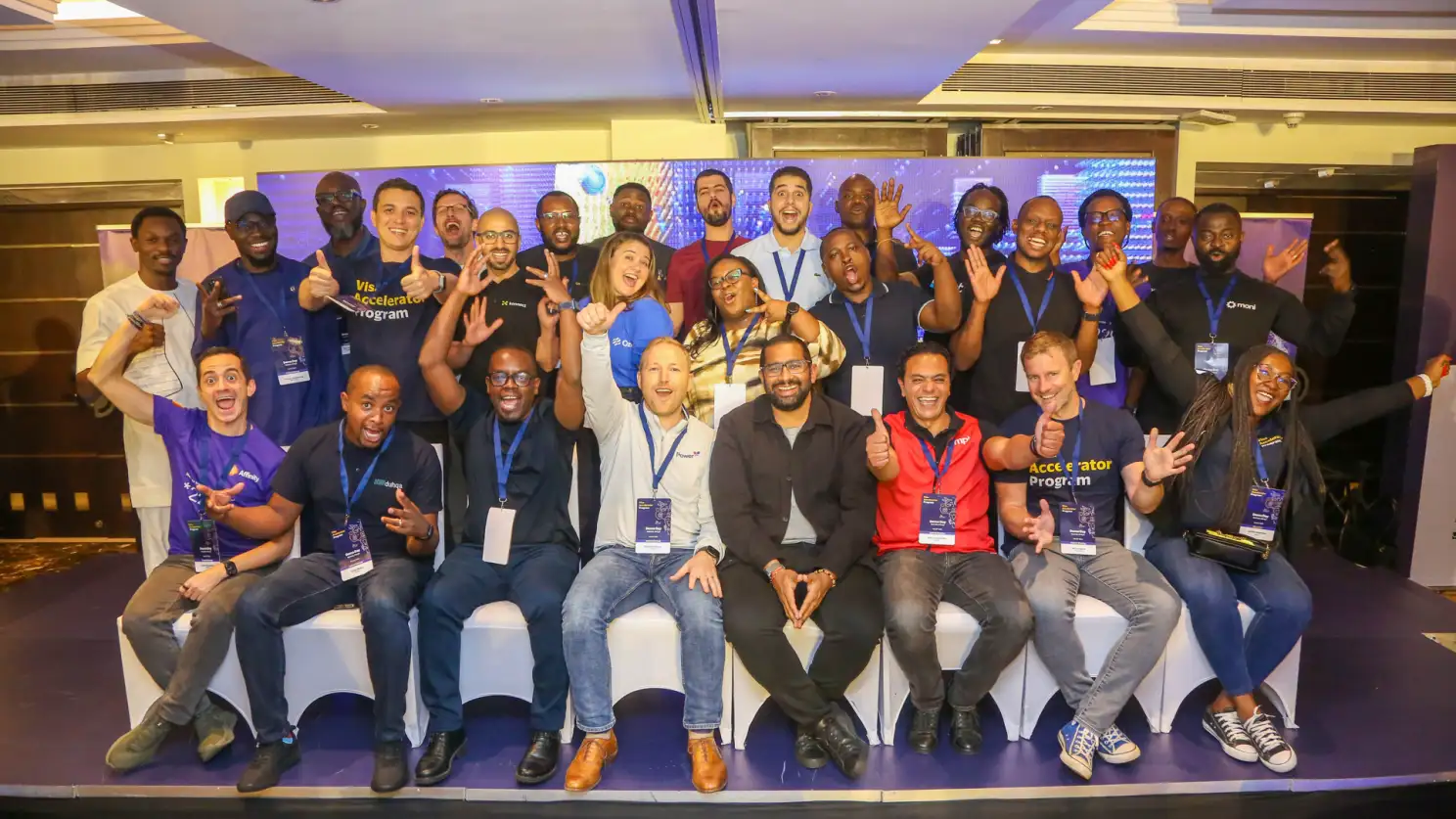
Visa has strengthened its commitment to Africa’s rapidly evolving fintech ecosystem by making strategic investments in Moroccan fintech PayTic and Tunisian payments innovator Konnect. Both companies graduated from the third cohort of the Visa Africa Fintech Accelerator—a 12‑week program that combines mentorship, technical training, and access to Visa’s global payments network. These investments not only underscore Visa’s ambition to channel USD 1 billion into African digital transformation by 2027 but also highlight the growing dynamism and inclusivity of the continent’s startup scene.
A pledge to transform Africa’s digital economy
In 2023, Visa announced an unprecedented commitment to invest USD 1 billion in Africa by 2027, focusing on digital payments infrastructure, education, and entrepreneurship. Since then, the company has deployed capital, technology partnerships, and expertise to support over 60 fintech startups spanning more than 25 African markets.
Africa’s digital payments landscape is expanding at breakneck speed. Total transaction value in the region is projected to reach USD 236 billion in 2025, growing at a compound annual growth rate of nearly 27 percent from 2025 through 2029. Mobile point‑of‑sale payments alone will account for over USD 145 billion of that total, reflecting the continent’s ongoing shift away from cash.
Against this backdrop, Visa’s Accelerator serves as both a launchpad for homegrown innovation and a signal to global investors that Africa’s fintech sector offers scalable, high‑growth opportunities.
PayTic: Driving operational efficiency in Moroccan finance
Founded in Casablanca in 2021, PayTic addresses a fundamental challenge for financial institutions and digital‑payment providers: complex, error‑prone back‑office workflows. Its modular platform leverages artificial intelligence to automate transaction reconciliation, flag suspicious activity, and streamline reporting—reducing manual effort by up to 70 percent, according to the company’s benchmarks.
“Thanks to Visa’s support, we are ideally positioned to push the boundaries of fintech and optimize our clients’ operations,” says Imad Boumahdi, CEO of PayTic. PayTic has already signed contracts with three of Morocco’s leading banks and a major pan‑African e‑wallet provider, enabling these partners to onboard merchants more rapidly and handle higher volumes with the same staffing levels.
Morocco’s fintech sector is buoyed by government initiatives such as regulatory sandboxes and a national digital‑finance roadmap. By partnering with Visa, PayTic gains preferential access to Visa’s developer tools, enabling seamless integration of real‑time payout capabilities across more than 200 markets.
Konnect: Redefining payments for SMEs and consumers
Tunisia’s Konnect, founded in Tunis in 2022 by fintech veteran Amin Ben Abderrahman, has developed a lightweight payments‑link solution. Merchants generate secure, single‑use URLs that can be sent via SMS, WhatsApp, or email—allowing customers to pay instantly without downloading an app or entering lengthy card details.
“Instant payments are a game‑changer for micro‑businesses in North Africa,” explains Ben Abderrahman. Since closing its pre‑seed round late last year, Konnect has facilitated over USD 8 million in transactions across Tunisia, Algeria, and Senegal—empowering everything from artisanal food vendors to online tutors.
Konnect’s technology dovetails with Tunisia’s progressive startup environment, which has embraced open‑banking frameworks. By leveraging tokenization and dynamic authentication, each payment link is secured end to end, reducing fraud rates nearly in half compared to unsecure payment pages.
The Visa Africa Fintech Accelerator: Building bridges to scale
Launched in 2023, the Visa Africa Fintech Accelerator targets startups at the Seed through Series A stages, providing a hybrid curriculum of virtual workshops, one‑on‑one coaching, and in‑person meetups. Over its three cohorts, the program has engaged more than 60 startups from 25 countries, with themes spanning embedded finance, SME empowerment, sustainable payments, and the creator economy.
Key program features include:
- Technical training on Visa’s suite of APIs and developer tools
- Mentorship from Visa executives and global‑payments veterans
- Pitch preparation and Demo Day exposure to venture capitalists, strategic partners, and potential customers
- Product perks—over USD 200,000 in credits and discounts toward cloud infrastructure, analytics platforms, and marketing services
The third cohort culminated in Demo Day at GITEX Africa 2025 in Marrakech, where 19 fintechs from 21 countries presented to an audience of industry leaders. This edition stood out for its female leadership: 85 percent of participating startups were founded or co‑founded by women, signaling accelerating gender inclusion in African tech.
GITEX Africa 2025: A nexus for innovation
Now in its third year, GITEX Africa has become the continent’s marquee technology event—showcasing emerging startups alongside global giants. At Marrakech’s Palais des Congrès, Visa not only highlighted its accelerator alumni but also unveiled new collaborations with regional mobile‑money operators and central banks, showcasing pilots in instant payments and digital identity.
Attendees noted how Visa’s presence underscored a broader narrative: that fintech investment is about inclusive growth—creating jobs, formalizing informal economies, and enhancing financial resilience across communities.
Real‑world impact: Success stories beyond PayTic and Konnect
Visa’s program success is reflected in alumni achievements across diverse markets:
- Agrocenta (Ghana): A digital‑agriculture platform connecting smallholder farmers to finance, markets, and input suppliers. After participating in the first cohort, Agrocenta closed a USD 2 million seed round, with its CEO crediting the Accelerator for sharpening their fundraising strategy and investor relations.
- OnLife (South Africa): An SME payments and receivables solution whose founder says the program fast‑tracked their understanding of product‑market fit and expansion pathways.
- WayaPay (Nigeria): A remittance and bill‑payment network that expanded into three new markets within six months of Demo Day, thanks to partnerships brokered by Visa.
These stories illustrate a virtuous cycle: Accelerator support catalyzes partnerships and capital, which in turn validate the program’s model—and attract more high‑caliber applicants.
The broader fintech landscape: Opportunities and challenges
While digital‑payments penetration in Africa is surging, challenges remain: fragmented regulations, intermittent connectivity, and talent shortages in specialized areas like cybersecurity. However, supportive policies—such as fintech licensing frameworks and startup incentives—are lowering barriers to entry.
Industry analysts forecast that by 2028, non‑cash transactions in Africa will exceed USD 400 billion, driven by instant‑payments rails and the rise of buy‑now‑pay‑later schemes, which are set to grow at nearly 20 percent annually through 2025. Mobile‑wallet adoption continues its ascent: some markets, like Kenya, already boast over 80 percent adult participation, while North Africa’s average is closing in on 50 percent.
For fintechs, market differentiation hinges on seamless user experiences, localized compliance, and strategic partnerships. In this context, Visa’s brand credibility, global network, and regulatory expertise become invaluable assets for startups aiming to scale beyond their home markets.
Looking ahead: The fourth cohort and beyond
As fintechs digest the outcomes of GITEX Africa’s Demo Day, Visa is already gearing up for the fourth cohort—applications open on June 2, 2025. The program is expected to broaden its thematic focus to include carbon‑neutral finance, blockchain‑enabled identity, and AI‑driven credit scoring, reflecting Visa’s push into sustainable and inclusive growth.
Beyond the Accelerator, Visa is partnering with development finance institutions and corporate allies to deploy digital‑finance solutions in education, healthcare, and rural commerce—sectors where the impact can be transformative.
Conclusion
Visa’s investments in PayTic and Konnect exemplify a strategic vision: to back ambitious fintech entrepreneurs who address Africa’s unique challenges with locally tailored, scalable solutions. By coupling capital with mentorship and technology access, Visa is not only fueling business growth but also advancing financial inclusion, economic resilience, and the continent’s long‑term prosperity. As digital payments redefine how Africans save, transact, and invest, these partnerships will play a pivotal role in shaping a more connected, cashless, and equitable future.
Ready to take your career to the next level? Join our dynamic courses: ACCA, HESI A2, ATI TEAS 7 , HESI EXIT , NCLEX – RN and NCLEX – PN, Financial Literacy!🌟 Dive into a world of opportunities and empower yourself for success. Explore more at Serrari Ed and start your exciting journey today! ✨
photo source: Google
By: Montel Kamau
Serrari Financial Analyst
17th April, 2025