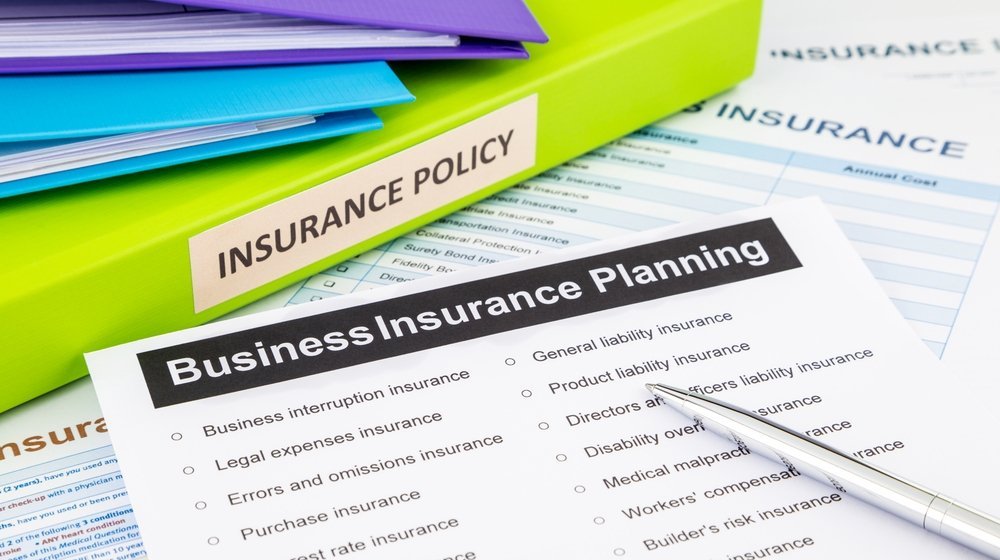
Running a business involves various risks that can cause damage and financial burden if not managed properly. Identifying potential threats and developing strategies to address them is crucial for CEOs and risk management officers. In this guide, we will explore the types of business risks, how to assess and manage them, and the importance of business insurance in mitigating these risks.
Types of Business Related Risks
Businesses face various types of risks that can disrupt operations and lead to financial losses. These risks include:
- Physical Risks: Such as building hazards (fires, explosions) and accidents involving hazardous materials.
- Location Risks: Natural disasters like fires, floods, hurricanes, and tornadoes based on the business’s geographical location.
- Human Risks: Including alcohol and drug abuse among personnel, embezzlement, theft, fraud, and illness or injury among the workforce.
- Technology Risks: Power outages, data breaches, computer failures, and cloud storage risks.
- Strategic Risks: Risks associated with business objectives, investments in research and development, or lending to consumers.
Insuring Against Risks in a business
Insurance plays a critical role in managing business risks. Many risks can be insured to protect the business from potential losses. Some important insurance policies to consider include:
- Fire Insurance: Fire insurance is a policy that protects individuals or businesses from financial losses resulting from damage or destruction caused by fire to their property, assets, or belongings. It ensures peace of mind and helps in rebuilding and recovering after a fire incident.
- Product Liability Insurance: Product liability insurance covers manufacturers or sellers against claims arising from injuries or damages caused by their products to customers. It is crucial as it shields businesses from potential lawsuits, legal expenses, and compensation payouts.
- Cyber Insurance: Cyber insurance is a policy that safeguards businesses from the financial ramifications of cyber-attacks, data breaches, or online security incidents. It helps in covering the costs of data recovery, legal proceedings, and potential losses due to reputational damage.
- Business Interruption Insurance: Business interruption insurance provides financial support to businesses when they face disruptions or forced closures due to unforeseen events, such as natural disasters. It assists in covering ongoing expenses and lost income during the downtime, aiding in a faster recovery.
- Professional Liability Insurance: Professional liability insurance, also known as errors and omissions insurance, protects professionals (e.g., doctors, lawyers, consultants) from claims resulting from mistakes, negligence, or inadequate advice provided in the course of their services. It ensures financial protection and defense in legal disputes.
- Fidelity Guarantee: Fidelity guarantee insurance protects businesses from losses caused by dishonest acts (e.g., theft, fraud) committed by their employees. It offers financial reimbursement and helps companies maintain trust and financial stability despite internal dishonesty.
- Keyman Insurance: Keyman insurance is a policy purchased by a business to safeguard against the financial impact of losing a crucial employee or key executive due to death or critical illness. It provides a lump sum payment to the company, helping to offset potential losses, maintain stability, and cover recruitment costs. This insurance is vital as it ensures business continuity and minimizes disruptions caused by the absence of key personnel.
Risk Prevention
The best insurance against risk is prevention. Businesses should focus on employee training, background checks, safety measures, equipment maintenance, and maintaining physical premises to mitigate potential risks. Developing a risk management plan, emergency response procedures, and conducting periodic risk reviews are essential steps.
Biggest Business Insurance Risks
Some of the most significant insurance risks faced by businesses include:
- Data Breaches: Cybersecurity issues and data hacks leading to significant financial damages and penalties.
- Property Damage: Disruptions from natural disasters or incidents affecting normal business operations.
- Human Capital Costs: Risks associated with employees, accidents, and employee departures.
- Professional Service Mistakes: Legal repercussions due to client dissatisfaction or alleged mistakes.
- International Manufacturing and Export/Transit Issues: Risks related to overseas manufacturing and international product export.
- Building Projects: Risks associated with construction projects, including damages or injuries during construction.
How to Effectively Choose the Right Insurance for Your Business
- Assess your exposure to specific risks to determine the insurance coverage needed.
- Analyze your legal responsibilities with the help of an insurance agent or lawyer/attorney to identify common claims.
- Decide on the coverage amount that provides adequate protection within your budget.
- Select a provider with industry specialization and risk mitigation capabilities.
Why Is Insurance Risk Mitigation Important?
- Every business faces risks daily, and mitigating them is crucial to reduce potential claims and lawsuits.
- Insurance provides protection against financial losses resulting from unforeseen events.
- Proper insurance coverage helps cover legal costs and settlements associated with claims, saving your organization from severe consequences.
Conclusion
Proper risk management and insurance coverage are vital for businesses to thrive and protect themselves from potential losses. Consider the specific risks your business faces and take appropriate measures to secure its future. Identifying and addressing risks, choosing the right business insurance policies, and implementing prevention strategies can safeguard your business’s longevity and success. Remember that every business is unique, so tailor your risk management and insurance approach accordingly. By prioritizing risk assessment and utilizing insurance as a safety net, you can steer your business towards a secure and prosperous future.
photo source: Google