
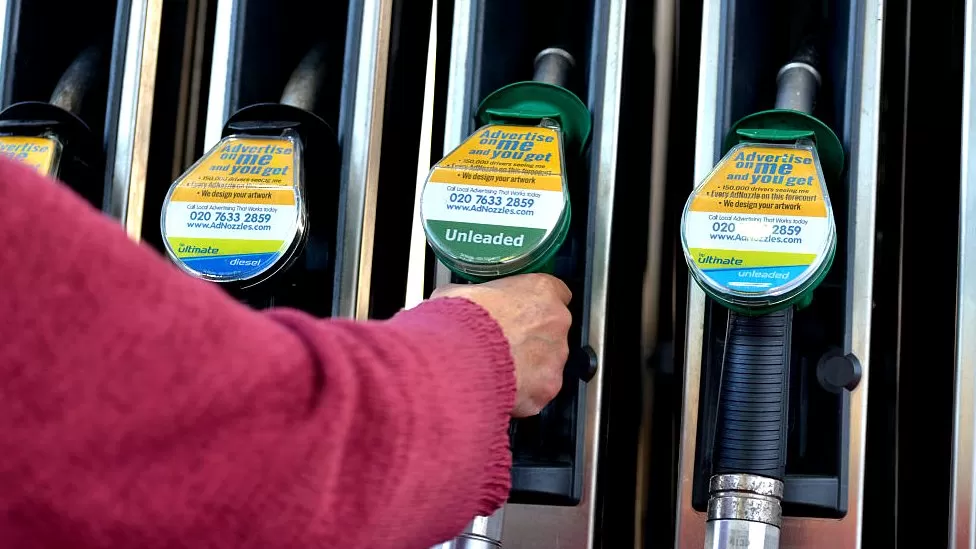
The Competition and Markets Authority (CMA) has recently highlighted a notable incongruity between the decreasing wholesale fuel costs and the prices motorists are encountering at the pumps across the UK. This has spurred discussions about the effectiveness of market competition and its ramifications on the ongoing cost of living challenges.
According to the CMA’s latest report, wholesale costs exhibited a downward trend in September and October, whereas retail petrol prices remained relatively stable. This discrepancy is best exemplified by a discernible rise of 11 pence per liter for petrol and 13.9 pence per liter for diesel since May 2023. The contrast between the average retail price and the price retailers pay for fuel stood at an eye-catching 17 to 18 pence per liter by the end of October, notably higher than the historical average of 5 to 10 pence per liter.
The CMA suggested that the price hikes from June to August were potentially influenced by global factors, including the upsurge in crude oil prices. CMA’s Chief Executive, Sarah Cardell, commented on this issue, expressing her concern: “Motorists have been grappling with rising petrol prices since June.”
This recent data marks the first in a series of monitoring reports initiated by the CMA earlier this summer to stimulate competition. A previous report from July unveiled that Asda and Morrisons had raised their profit margins on fuel since being acquired by private equity groups in 2020 and 2021. This change initiated a chain reaction, leading to price increases across the market, largely due to these supermarkets’ roles as historical cost-cutters.
While data indicated a reduction in the average fuel margins of supermarkets, dropping from 11.9 pence per liter in May to 7.3 pence per liter in August, these figures still surpassed the annual average from before 2021. Regrettably, data for margins from September to October is currently unavailable, as per the CMA’s announcement.
Luke Bosdet of the AA, a well-known roadside recovery group, expressed his concerns, asserting, “Neglecting to pass on the full benefits of lower wholesale costs to hard-pressed motorists, their families, and businesses is untenable, particularly in a time marked by escalating living costs.”
Gordon Balmer, the Executive Director of the Petrol Retailers Association, representing independent fuel retailers, provided insight into the necessity of maintaining higher margins, attributing it to rising energy costs, increased wages, and an increased incidence of fuel theft.
To address these concerns, the CMA has proposed the formation of a statutory monitoring body and an online fuel price-finder tool, granting drivers access to real-time, station-specific fuel prices. Although the government initially intended to commence consultations on these proposals in the autumn, these consultations are still pending.
The RAC has expressed its support for the findings and underscored the urgency of establishing a “price monitoring body” with the authority to take action against major retailers that do not promptly adjust their prices to align with falling wholesale costs. This emphasizes the immediate necessity of resolving the price misalignment issue, with the interests of consumers and the broader economy in mind.
Photo (GETTY IMAGES)
By: Montel Kamau
Serrari Financial Analyst
9th November, 2023