Transforming Regional Trade and Connectivity
Kenya’s President William Ruto has unveiled an ambitious plan to extend the Standard Gauge Railway (SGR) to Uganda and South Sudan, a move poised to redefine East Africa’s transportation and trade dynamics. This announcement follows discussions in Abu Dhabi with UAE Investment Minister Mohamed Hassan Alsuwaidi, signaling a landmark partnership between Kenya and the UAE.
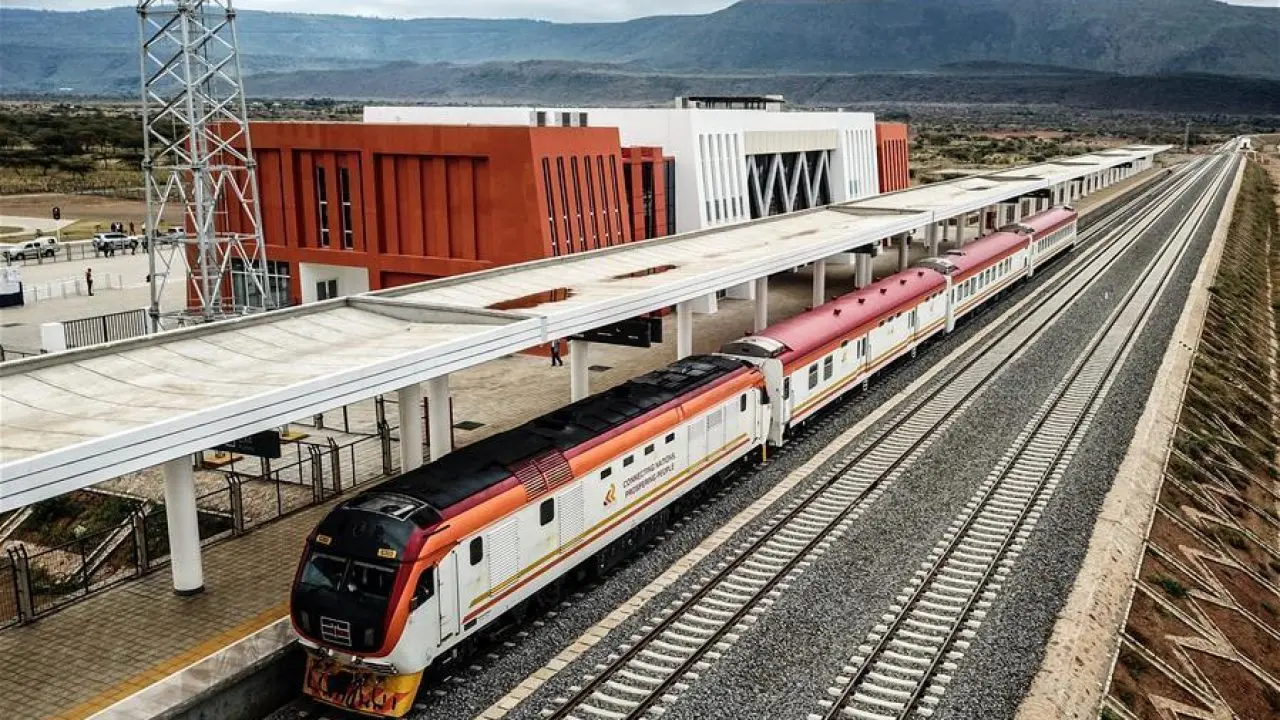
The project will begin with a comprehensive feasibility study to assess the technical and economic viability of the SGR extension. The railway, which currently connects Kenya’s coastal Port of Mombasa to Naivasha, has already played a pivotal role in streamlining cargo transport within Kenya. Extending the line into Uganda and eventually South Sudan is expected to further enhance its impact by reducing transit times, lowering transportation costs, and bolstering trade across the region.
Economic Benefits for Kenya, Uganda, and Beyond
For Uganda, a landlocked country heavily reliant on Kenya’s ports for imports and exports, the SGR extension offers a lifeline. The railway would provide a direct, efficient connection to global markets, reducing reliance on slower and more expensive road transport. Goods such as petroleum, machinery, and pharmaceuticals imported through Mombasa could reach Uganda faster, while exports like coffee, tea, and fish would benefit from expedited access to international buyers.
“The extension of the SGR will enhance regional connectivity, making it easier for Ugandan traders to access the Port of Mombasa and for Kenyan exporters to reach Ugandan markets,” transport analyst Peter Ochieng noted.
Kenya, meanwhile, stands to strengthen its position as the region’s economic hub. In 2024, Uganda emerged as Kenya’s largest export market, with record levels of trade in petroleum products, plastics, textiles, and agricultural goods. By improving transport infrastructure, the SGR extension is set to boost these trade volumes further, fostering economic growth on both sides of the border.
Impact on Regional Integration
The SGR extension project is more than just a transport initiative; it is a cornerstone for regional integration. By facilitating the seamless movement of goods and people across borders, the railway will help bridge economic disparities and create a more interconnected East Africa.
South Sudan, another potential beneficiary, could gain critical access to the Port of Mombasa for its oil exports and other trade activities. As one of the youngest nations globally, South Sudan faces significant infrastructure challenges. The SGR extension could serve as a catalyst for its economic development, attracting foreign investment and promoting trade diversification.
The involvement of the UAE in this project underscores the growing trend of international partnerships aimed at addressing Africa’s infrastructure deficits. The UAE’s financial and technical support is expected to accelerate the project’s implementation, leveraging its expertise in large-scale infrastructure development.
President Ruto’s Vision for Development
President Ruto has positioned the SGR extension as a key component of his administration’s broader development agenda. Alongside the railway project, discussions in Abu Dhabi also focused on UAE investment in Kenyan agricultural initiatives, including the Galana-Kulalu project, which seeks to bolster food security through large-scale irrigation.
“The extension of the SGR and the agricultural initiatives we’ve agreed upon will unlock immense opportunities for our people and our neighbors,” Ruto stated, emphasizing the transformative potential of these projects.
By improving infrastructure and boosting agricultural productivity, Kenya aims to solidify its position as a regional leader in trade and economic development.
Challenges and Considerations
While the potential benefits of the SGR extension are immense, several challenges must be addressed to ensure its success:
- Financing and Cost Management:
Large-scale infrastructure projects often face cost overruns and delays. Securing adequate funding and maintaining financial discipline will be crucial. The partnership with the UAE provides a strong foundation, but additional investment from other stakeholders may be necessary. - Environmental Impact:
As with any major construction project, environmental considerations must be taken into account. Mitigating the impact on local ecosystems and communities along the railway’s route will be essential. - Stakeholder Coordination:
The SGR extension involves multiple countries and stakeholders, including governments, private investors, and local communities. Effective coordination and clear communication will be vital to avoid delays and conflicts. - Geopolitical Stability:
Regional stability is a prerequisite for the success of cross-border projects. Ensuring peace and security in the areas surrounding the railway’s route, particularly in South Sudan, will be critical.
A Boost for East Africa’s Global Competitiveness
The SGR extension is poised to position East Africa as a competitive player in the global economy. Improved transport infrastructure will not only facilitate trade within the region but also attract international investors seeking access to emerging markets.
Kenya and Uganda’s deepening economic ties, bolstered by the SGR project, could serve as a model for other regions in Africa. By prioritizing infrastructure development and fostering collaboration, East Africa can unlock its full economic potential.
Historical Context and Broader Implications
The concept of a regional railway network is not new. During the colonial era, railways were central to economic activities in East Africa, serving as vital links between inland territories and coastal ports. However, many of these networks fell into disrepair in the post-independence period due to underinvestment and neglect.
The SGR project represents a modern revival of these networks, incorporating advanced technology and international expertise. By addressing historical gaps in infrastructure, the SGR extension has the potential to transform East Africa’s economic landscape for decades to come.
Conclusion
The extension of the Standard Gauge Railway to Uganda and South Sudan marks a significant milestone in East Africa’s journey toward regional integration and economic transformation. Backed by a strategic partnership between Kenya and the UAE, the project has the potential to unlock new opportunities, enhance trade, and improve the lives of millions across the region.
As feasibility studies progress and plans take shape, the SGR extension stands as a testament to the power of collaboration and the shared vision of a more connected and prosperous Africa.
Ready to take your career to the next level? Join our dynamic courses: ACCA, HESI A2, ATI TEAS 7 , HESI EXIT , NCLEX – RN and NCLEX – PN!🌟 Dive into a world of opportunities and empower yourself for success. Explore more at Serrari Ed and start your exciting journey today! ✨
photo source: Google
By: Montel Kamau
Serrari Financial Analyst
15th January, 2024