In a surprising turn of events, the U.S. economy displayed remarkable resilience during the third quarter, as it grew at an annualized rate of 4.9%. This growth, reported by the Commerce Department, defied concerns related to rising interest rates, persistent inflation, and various economic challenges.
Economists had projected a 4.7% increase in real GDP for the quarter, considering inflation adjustments. However, the actual performance outstripped expectations, marking the most substantial gain since the end of 2021.
Several key factors contributed to this impressive growth. Consumer spending, measured by personal consumption expenditures, played a pivotal role, surging by 4% during the quarter compared to a modest 0.8% in the previous period. This increase in consumer spending contributed 2.7 percentage points to the overall GDP growth. Additionally, growth in inventories and a robust gross private domestic investment, which rose by 8.4%, significantly boosted the economy. Government spending and investment also played their part, increasing by 4.6%.
Consumer spending was well-distributed between goods and services, with both categories experiencing solid growth of 4.8% and 3.6%, respectively.
The immediate market reaction to the news was mixed, with stocks displaying varying performance in early trading, while Treasury yields mostly trended lower. Despite the strong GDP figures, traders seemed unfazed by the potential implications for monetary policy. CME Group data indicated that the market was still assigning a meager 27% probability of an interest rate hike at the upcoming central bank meeting in December.
In addition to the GDP report, other economic indicators demonstrated the economy’s overall strength. The Labor Department reported jobless claims for the week ending Oct. 21 at 210,000, a slight increase from the previous period but still at relatively low levels. Meanwhile, durable goods orders saw a significant uptick of 4.7% in September, a marked improvement from the 0.1% gain in August, according to the Commerce Department. This increase included orders for items like appliances, aircraft, and electronics and represented the most substantial growth in this category since July 2020.
Although the U.S. economy has surpassed expectations and demonstrated resilience in the face of numerous challenges, most economists foresee a potential slowdown in the coming months. Nonetheless, they generally agree that the U.S. is not at risk of recession, barring any unforeseen shocks.
The exceptional performance of the consumer, who contributed to approximately 68% of the GDP in Q3, underscores their role in maintaining the U.S. economy’s vigor. Despite concerns, the U.S. economy continues to stand strong, powered by robust consumer activity.
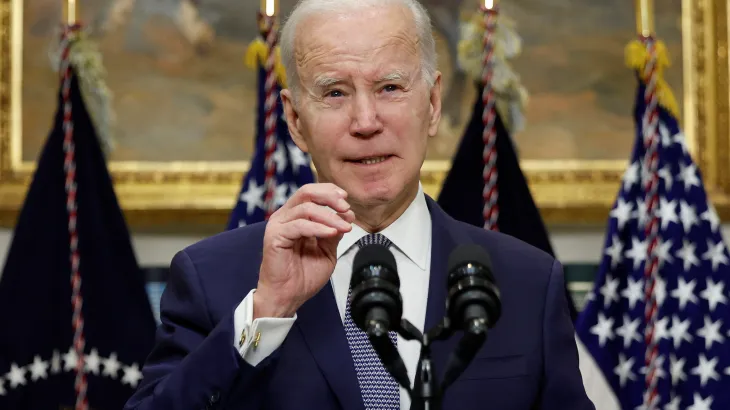
Photo ( Google)
By: Montel Kamau
Serrari Financial Analyst
29th October, 2023