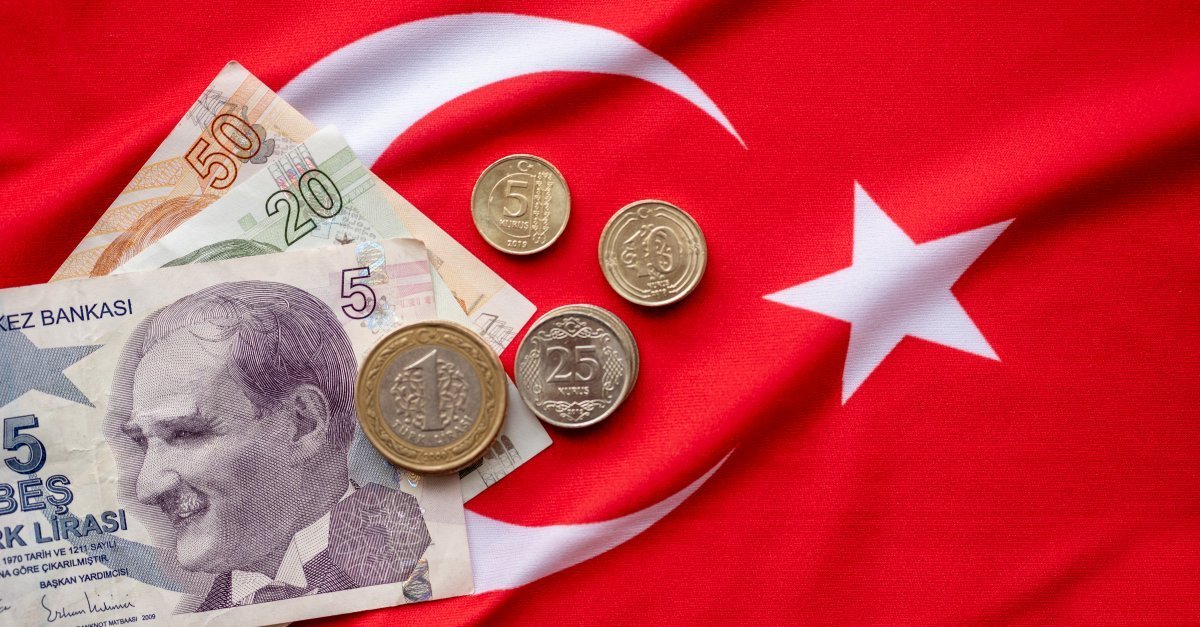
In a surprising and bold move, Turkey’s central bank has jolted global markets by announcing a substantial increase in its key interest rate by a staggering 750 basis points, propelling it to 25%. The unexpected decision has ignited an unprecedented surge in the Turkish lira’s value and has indicated a newfound commitment to tackle the mounting inflation crisis. This strategic policy shift comes as part of an overarching effort to steer the economy toward more conventional strategies.
The magnitude of the rate hike, exceeding forecasts that had predicted a more conservative 250 basis points, has set off a series of market reactions. The lira, which had been languishing near all-time lows in recent weeks, experienced an impressive rally of over 3% against the US dollar, reaching its strongest point since mid-July. The momentum was mirrored in the Turkish stock market, with bank stocks soaring nearly 10%, triggering a broader uptick in the Istanbul bourse. Additionally, the government’s dollar-denominated bonds made a significant leap of more than 2 cents according to data from Tradeweb.
Turkey’s policy committee, now infused with three new members who are seen as hawkish in their approach, emphasized a commitment to tightening monetary policy “as much as needed in a timely and gradual manner” to counter the staggering inflation that recently skyrocketed to almost 48%. Analysts have lauded this unexpected move as a pivotal shift toward more orthodox economic measures, contrasting with the unorthodox strategies pursued during President Tayyip Erdogan’s tenure.
This shift in policy has ignited speculation and conversation within the investment community. Some are wondering if President Erdogan, known for his outspoken opposition to high interest rates, had sanctioned this move. While initial market reactions have been predominantly positive, the question of political alignment and its implications remains.
President Erdogan’s appointment of Hafize Gaye Erkan, a former Wall Street banker, to lead the central bank earlier this year signaled a notable pivot in economic leadership. This change came amidst the challenges of depleted foreign currency reserves and escalating inflation expectations. Adding to this recalibration, three fresh policymakers were introduced in July, a move indicating a dedication to combatting the persistent inflation that has consistently exceeded the official 5% target.
Turkey’s recent economic history has been marked by turbulence, with interest rate cuts sparking a currency crisis in 2021 and resulting in soaring inflation rates. The currency itself has endured a decline of approximately 68% over the past two years, largely due to the President’s influence over the central bank and his skepticism towards higher interest rates.
As global economic uncertainties continue to linger, Turkey’s remarkable policy overhaul signifies a departure from its previously unorthodox economic strategies. The surprising rate hike and the lira’s spirited response underscore a new resolve to tackle inflation and stabilize the country’s economic trajectory.
Photo Source: Google
By: Montel Kamau
Serrari Financial Analyst
24th August, 2023