A Massive Buy and a Divided Reaction
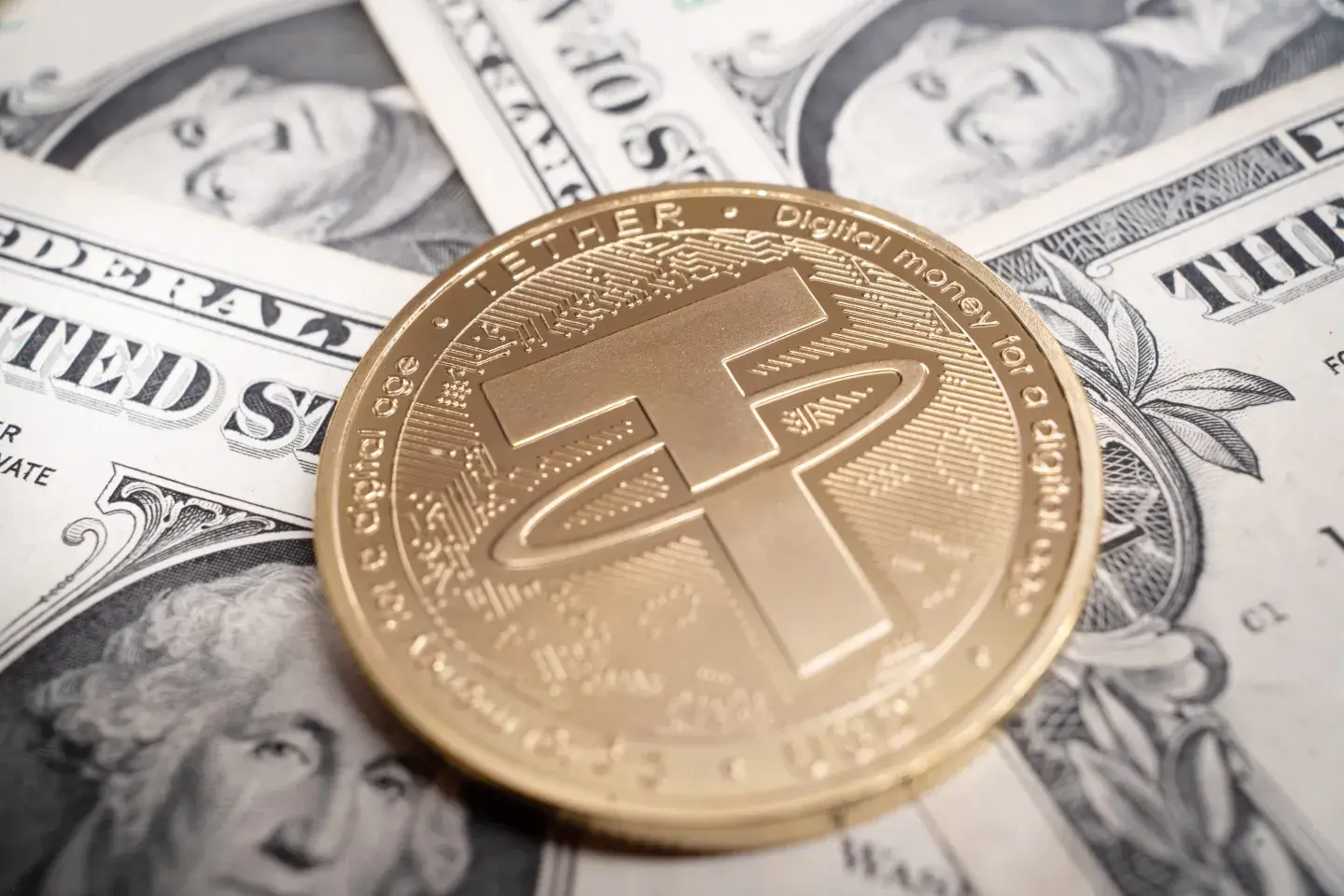
The cryptocurrency market was shaken this week when Tether, issuer of the world’s largest stablecoin USDT, revealed a purchase of $1 billion worth of Bitcoin—roughly 8,800 BTC—during the third quarter of 2025. The acquisition strengthens Tether’s reserves and highlights the growing entanglement of stablecoins with the broader crypto economy.
But not everyone is celebrating. Jacob King, CEO of SwanDesk, issued a stark warning that the move could accelerate what he describes as the “largest bubble in history.” According to King, Bitcoin’s true value may be much lower than current prices suggest, potentially “below $1,000” once artificial market activity is stripped away.
At the time of writing, Bitcoin is consolidating at $113,200, according to CoinGecko, still around 8% below its all-time high. While the buy represents confidence from one of crypto’s most influential issuers, critics argue it may inflate systemic risks in a market already prone to speculative excess.
Ready to level up your career? Join our expert-led Online courses in ACCA, HESI A2, ATI TEAS 7, HESI EXIT, NCLEX-RN, NCLEX-PN, and Financial Literacy. At Serrari Ed, we turn potential into achievement. Start your journey today!
The Inflation Argument: “Money Out of Thin Air”
King’s core critique focuses on how Tether issues new USDT. He claims the company effectively creates synthetic liquidity, minting stablecoins that are then used to purchase Bitcoin. Since USDT dominates crypto trading pairs worldwide, this injection of liquidity allegedly exaggerates demand and distorts true market dynamics.
This critique is not new. For years, skeptics have argued that Tether’s printing of USDT without sufficient backing could artificially drive up Bitcoin’s price. A Bloomberg investigation in past years raised similar concerns, though Tether maintains that its reserves are fully audited and transparent.
King insists, however, that “80–90% of Bitcoin’s buy volume is fake or inflated.” If correct, Bitcoin’s valuation could rest on shakier foundations than most investors believe.
Institutional Adoption: Real or Myth?
Despite King’s claims, many observers point to visible evidence of institutional adoption. Sovereign wealth funds, publicly listed companies, and regulated ETFs have increasingly integrated Bitcoin into portfolios. Notably, BlackRock’s iShares Bitcoin Trust has reported billions in assets under management since its launch.
Critics like King dispute the depth of this adoption. He argues that most inflows into Bitcoin ETFs actually come from retail investors rather than major institutions. If so, the narrative of Wall Street fully embracing Bitcoin could be overstated, and the market’s stability less certain than headlines suggest.
Still, the presence of Bitcoin on the balance sheets of companies like Tesla and the sustained activity in sovereign ETF filings suggest some degree of legitimacy to institutional participation. Whether this adoption is broad or still relatively shallow remains a matter of interpretation.
Strategy or Speculation?
King also turned his fire on MicroStrategy (now renamed Strategy), the largest corporate holder of Bitcoin with more than 600,000 BTC. He labeled the firm a “leveraged Bitcoin casino”, accusing its co-founder Michael Saylor of repeating the same speculative mistakes he made during the dot-com bubble.
“History doesn’t repeat, but it rhymes,” King said, suggesting that MicroStrategy’s strategy of using debt to purchase Bitcoin may create systemic vulnerabilities if prices fall sharply. The company, however, counters that its holdings represent a strategic treasury reserve designed to hedge inflation and fiat currency risk.
Optimists See Regulatory Support
In contrast to skeptics, other analysts interpret Tether’s Bitcoin purchase as a sign of strength and long-term confidence.
Quinten Francois, a digital asset strategist, highlights the significance of the GENIUS Act, a U.S. legislative framework that requires stablecoin issuers to be licensed, fully backed, and transparent. By aligning USDT with U.S. Treasuries, Francois argues, Tether could funnel trillions of offshore Eurodollars into American bond markets.
“This isn’t just a speculative game,” Francois said. “This is the continuation of quantitative easing, but driven by private entities like Tether rather than directly by the Federal Reserve.”
In this view, Tether’s Bitcoin holdings provide a diversified reserve that bolsters its credibility while also reinforcing Bitcoin as a long-term asset class.
Build the future you deserve. Get started with our top-tier Online courses: ACCA, HESI A2, ATI TEAS 7, HESI EXIT, NCLEX-RN, NCLEX-PN, and Financial Literacy. Let Serrari Ed guide your path to success. Enroll today.
The Broader Stablecoin Context
Tether’s move also raises broader questions about stablecoins themselves. With a market cap of over $120 billion, USDT dominates global crypto liquidity. It is used in trading pairs, DeFi platforms, and cross-border settlements.
By adding Bitcoin reserves, Tether is attempting to hedge against fiat volatility while strengthening its ecosystem. This aligns with moves by competitors like Circle, issuer of USDC, which has expanded its treasury holdings into U.S. government securities to reassure investors of its stability.
The debate, however, is whether this strengthens or destabilizes the system. Skeptics argue that Tether holding Bitcoin exposes it to the very volatility it is supposed to hedge against. If Bitcoin experiences a sharp decline, Tether’s reserves could come under pressure.
Bitcoin’s Current Technical Landscape
As of October 1, Bitcoin remains range-bound, consolidating near $113,200. Technical analysis from TradingView highlights the following key levels:
- Support: $112,200, with stronger support at $110,500
- Resistance: $114,750, followed by $115,800
- RSI (Relative Strength Index): Neutral zone, indicating neither oversold nor overbought conditions
Traders remain cautious. A breakout above $115,000 could trigger a run toward $120,000, while failure to hold $112,200 may result in a retrace to $110,000 or below.
Nearly $2 billion in leveraged positions are currently open across exchanges. If prices move sharply, liquidations could amplify volatility, similar to the $1.5 billion liquidation event seen in September.
Fiat vs. Crypto: Where Is the Bubble?
One fascinating counterpoint comes from Bitcoin advocates who argue that the real bubble is not in crypto but in traditional fiat currencies. With central banks engaging in decades of quantitative easing, ballooning debt levels, and depreciating currencies, Bitcoin is framed as a hard asset alternative to fiat’s fragility.
Supporters often cite the limited supply of Bitcoin—capped at 21 million coins—as its ultimate safeguard against inflation and government manipulation. In contrast, fiat currencies can be printed without restriction, eroding long-term value.
Thus, while King believes Bitcoin’s “true” value could be below $1,000, many others argue that fiat itself is more vulnerable, and that Bitcoin’s scarcity will ultimately drive prices higher over time.
Tether, Transparency, and Trust
The recurring theme in this debate is trust.
- Skeptics worry that Tether’s opaque practices and Bitcoin-heavy reserves could destabilize markets.
- Optimists believe regulatory alignment through initiatives like the GENIUS Act will force greater transparency, making stablecoins safer and more integrated with traditional finance.
Tether itself has released attestation reports claiming full reserve backing and diversified holdings. Still, the company has faced legal challenges and regulatory scrutiny in both the U.S. and Europe, leaving investors divided over its credibility.
Global Implications: Beyond Tether
The implications of Tether’s actions extend far beyond Bitcoin. Stablecoins are increasingly central to global payments, remittances, and DeFi ecosystems. The Bank for International Settlements has warned that their growth could impact monetary sovereignty, while the European Central Bank (ECB) has expressed concern that dollar-backed stablecoins might erode the euro’s global role.
For emerging markets, stablecoins offer faster, cheaper cross-border transfers compared to traditional remittance services. However, if Tether’s reserves face strain, ripple effects could spread globally, impacting traders, institutions, and even retail users dependent on stablecoin liquidity.
Conclusion: Optimism Meets Caution
Tether’s $1 billion Bitcoin purchase crystallizes the dual narrative surrounding crypto today: bold optimism and cautious skepticism. On one hand, it demonstrates confidence in Bitcoin as a reserve asset and signals the growing integration of stablecoins into mainstream finance. On the other, critics warn it could inflate systemic risks, artificially pump Bitcoin’s price, and repeat speculative bubbles of the past.
Whether Bitcoin’s “true value” is closer to King’s sub-$1,000 claim or aligned with the bullish predictions of institutional backers, the next few months will be pivotal. Regulatory frameworks, ETF inflows, and corporate adoption will all play decisive roles in shaping outcomes.
For now, one thing is undeniable: Tether’s move has once again placed it at the center of the cryptocurrency debate, forcing the market to confront fundamental questions about liquidity, legitimacy, and long-term sustainability.
Ready to take your career to the next level? Join our Online courses: ACCA, HESI A2, ATI TEAS 7 , HESI EXIT , NCLEX – RN and NCLEX – PN, Financial Literacy!🌟 Dive into a world of opportunities and empower yourself for success. Explore more at Serrari Ed and start your exciting journey today! ✨
Track GDP, Inflation and Central Bank rates for top African markets with Serrari’s comparator tool.
See today’s Treasury bonds and Money market funds movement across financial service providers in Kenya, using Serrari’s comparator tools.
Photo source: Google
By: Montel Kamau
Serrari Financial Analyst
2nd October, 2025