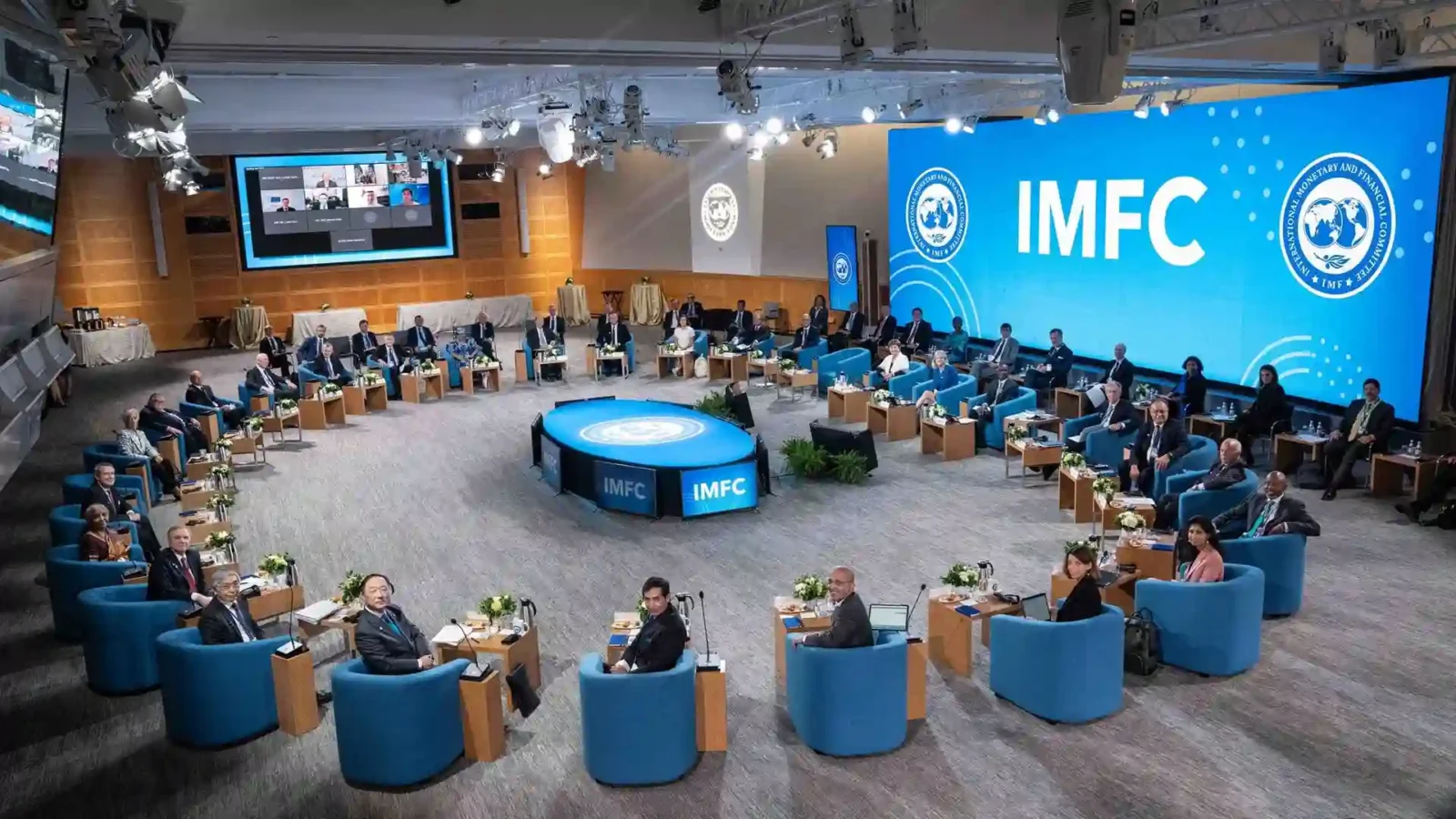
As Kenya faces mounting economic pressures and dwindling external financing, the International Monetary Fund (IMF) has called on the government to prioritize development funding through careful expenditure management. IMF’s advice to Kenya comes amidst the challenges of shrinking access to external financing and the increasing difficulty in mobilizing adequate domestic revenue. The IMF has urged the government to consider adopting a more strategic approach to budgeting by focusing on expenditure prioritization and cutting non-essential spending. These efforts aim to ensure that development projects receive the necessary funding, despite the rising burden of debt obligations.
The IMF’s Stance on Controlled Spending and Budget Cuts
Abebe Aemro Selassie, the Director of the IMF’s African Department, emphasized that given the country’s fiscal situation, it is crucial for Kenya to manage its finances prudently. With access to external financing becoming more limited and local revenue mobilization remaining a challenge, the IMF has suggested the government adopt priority-based budgeting to make the best use of available resources. This approach involves reducing expenditures on non-essential services while ensuring that critical development initiatives, particularly in infrastructure and social sectors, are protected.
Kenya’s public debt, which continues to escalate due to the rising cost of borrowing, has become a source of concern for both local and international financial stakeholders. The IMF’s stance is to advocate for measures that can mitigate the financial strain caused by high borrowing costs and debt servicing obligations. By focusing on expenditure cuts that do not compromise long-term development goals, the government can potentially reduce the financial strain associated with debt and borrowing.
One of the critical suggestions from Selassie is that Kenya explore ways to expand the tax base without necessarily increasing tax rates. The IMF recognizes that increasing taxes in an already taxed population can cause unrest, but expanding the tax base by targeting untapped sectors such as the informal economy could provide much-needed revenue without exacerbating public dissatisfaction.
Revenue Mobilization and Expenditure Prioritization
The IMF’s call for improved revenue mobilization through domestic means aligns with Kenya’s broader fiscal strategy. As of now, Kenya’s revenue collection remains insufficient to cover its growing budget, forcing the government to rely heavily on borrowing. According to Selassie, the government should focus on improving domestic revenue collection methods by expanding the tax base and enhancing efficiency in tax administration. One such proposal is to simplify tax remittance procedures for small and medium-sized businesses, which often find the current system cumbersome and time-consuming.
In addition to exploring ways to enhance tax compliance, the IMF also advocates for revisiting Kenya’s spending priorities. The National Treasury has acknowledged that recurrent expenditures, particularly those related to government operations, account for a large portion of the national budget. The government spends approximately KSh 1 trillion annually on recurrent expenditures, including salaries and allowances for public servants. This allocation has been a point of contention, especially as some argue that the number of government officials could be reduced without negatively affecting the provision of public services.
The IMF’s advice comes against the backdrop of growing concerns over the rising cost of government wages. Earlier this year, the Salaries and Remuneration Commission (SRC) approved a significant pay rise for members of parliament, a move that was met with backlash given the economic difficulties the country faces. The rise, amounting to KSh 366,011 in fixed monthly mileage allowances, was seen as a controversial decision at a time when Kenya was grappling with debt and limited resources. Local stakeholders have called for more stringent controls on government wages and operational expenditures to ensure that the focus remains on funding development projects that are essential for long-term economic growth.
Government’s Focus on Domestic Borrowing
In response to the declining availability of external financing, Kenya has increasingly turned to domestic borrowing through the issuance of government securities. This shift is driven by the need to bridge budget deficits and finance development projects. However, the growing reliance on domestic borrowing has also raised concerns about the country’s debt levels and the pressure on local financial markets.
The IMF’s advice on domestic borrowing highlights the importance of being more measured in how the country tackles its development needs. While domestic borrowing may be necessary in the short term, it is vital that the government adopts a more sustainable approach to borrowing and ensures that the funds are directed toward projects that will generate long-term economic returns. This means that more investment should be focused on sectors that can drive private sector-led growth and improve the country’s competitiveness.
In line with this, Selassie noted that the government should consider innovative methods of generating revenue, such as the introduction of road tolling. This is seen as a viable option for financing infrastructure projects without placing undue strain on the national budget. Tolling, as a form of user-pays financing, could help raise revenue for road maintenance and development while ensuring that the burden of financing does not solely fall on taxpayers.
The Challenge of Improving the Investment Climate
One of the IMF’s key proposals for boosting Kenya’s development prospects is the improvement of the investment climate. The government must work to create a conducive environment for both local and foreign investors to thrive. This includes addressing challenges such as high operating costs, complex regulatory frameworks, and inconsistent policies that often discourage investment.
Despite efforts to improve the business environment, Kenya continues to face challenges in attracting and retaining investment. Some businesses, particularly in the manufacturing and services sectors, have exited the Kenyan market, citing the high cost of doing business and the unfavorable tax regime as key factors influencing their decisions. On the other hand, some investors who have entered the Kenyan market continue to face difficulties navigating the complex regulatory landscape, which adds to the costs of doing business.
To address these concerns, the government has made efforts to streamline its investment policies and offer incentives to attract foreign direct investment (FDI). However, these efforts have not always been met with success, as many investors remain cautious about the overall business environment in the country. To foster sustainable growth, the government must not only create a favorable investment climate but also work toward reducing barriers to trade and facilitating regional integration. Regional trade, especially within the East African Community (EAC), can provide opportunities for Kenyan businesses to access larger markets and tap into cross-border investment flows.
Addressing the Gaps in Public-Private Partnerships
Public-private partnerships (PPPs) have been highlighted as a potential avenue for financing infrastructure and development projects in Kenya. The IMF suggests that these partnerships can play a critical role in achieving sustainable development. By leveraging private sector expertise and capital, the government can undertake major infrastructure projects without solely relying on public funding.
However, for PPPs to be successful, the government must ensure that the regulatory environment is conducive to private sector involvement. This includes providing clear legal frameworks, transparent procurement processes, and guaranteeing that the projects are financially viable for private investors. Ensuring that the public sector and private sector interests align is essential for the successful implementation of PPP projects.
Conclusion
In light of the ongoing fiscal challenges, the IMF’s recommendations to Kenya underscore the need for a strategic shift in how the government manages its finances. The country must prioritize development spending, manage recurrent expenditures more effectively, and improve domestic revenue mobilization efforts. Moreover, a more investor-friendly climate and enhanced public-private partnerships could play crucial roles in addressing Kenya’s development needs without further exacerbating the debt burden.
While the IMF’s advice on budget cuts and expenditure prioritization is crucial, it is also important for the government to communicate these changes effectively to the public. By ensuring that development funding remains a top priority and that taxpayers see the benefits of their contributions, Kenya can work toward a more sustainable and equitable economic future.
Ready to take your career to the next level? Join our dynamic courses: ACCA, HESI A2, ATI TEAS 7 , HESI EXIT , NCLEX – RN and NCLEX – PN, Financial Literacy!🌟 Dive into a world of opportunities and empower yourself for success. Explore more at Serrari Ed and start your exciting journey today! ✨
Photo source: Google
By: Montel Kamau
Serrari Financial Analyst
29th April, 2025