In a significant development for Southeast Asia’s tech and digital landscape, Vietnam is currently reviewing a proposal from SpaceX for a massive $15 billion investment in its satellite internet service, Starlink. According to a report from Bloomberg, this investment aims to bring cutting-edge satellite connectivity to Vietnam, enhancing both urban and rural internet access while also helping the country improve its disaster response capabilities. The discussions signal the potential for a major technological leap in the region, with broader implications for digital infrastructure and international relations.
Vietnam’s Role in the Global Digital Economy
Vietnam’s growing prominence as a Southeast Asian tech hub has drawn attention from global players like SpaceX, Google, and Meta. The country has been experiencing a digital boom, underpinned by rapid internet penetration, smartphone adoption, and an emerging startup ecosystem. The Vietnamese government has made significant strides in attracting foreign investments, and the SpaceX proposal comes as part of a larger plan to advance the country’s digital economy.
On Wednesday, September 25, Vietnamese President To Lam met with top executives from SpaceX, Google, and leading energy companies, including Pacifico Energy and AES. The meeting underscores Vietnam’s ambitions to become a key player in the global digital ecosystem, integrating advanced technologies such as satellite internet, renewable energy, and AI-driven platforms. President Lam’s discussions with these major corporations are being framed as part of a broader initiative to future-proof the nation’s infrastructure.
SpaceX’s Interest in Vietnam
At the forefront of these discussions was SpaceX’s Senior Vice President Tim Hughes, who engaged in talks about the Starlink expansion. This investment is seen as a game-changer for the country, especially in terms of its ability to respond quickly to natural disasters—an important consideration for a nation frequently affected by floods and typhoons. With Starlink’s satellite internet infrastructure in place, Vietnam could leverage real-time data to enhance emergency response times and mitigate damage from such events.
While the investment is not yet confirmed, reports indicate that Vietnam has requested SpaceX to closely coordinate with relevant agencies and domestic partners to streamline the investment preparation process. Vietnam’s emphasis on collaboration signals its cautious yet optimistic approach to integrating Starlink services into the country’s telecom ecosystem.
Strengthening Ties with the U.S.
The potential $15 billion Starlink investment is seen as part of a broader push by Vietnam to deepen ties with the United States and its tech giants. During President Lam’s visit, he also held discussions with key U.S. leaders, including President Joe Biden, Boeing executives, and Meta’s leadership team. These meetings reflect the growing importance of U.S.-Vietnam relations, which have strengthened considerably in recent years, especially in areas of technology, defense, and energy.
By embracing partnerships with companies like SpaceX, Vietnam seeks to position itself as a central player in the Fourth Industrial Revolution. The country’s increasing openness to foreign investment in tech and digital infrastructure could signal its readiness to transition into an advanced economy.
Starlink: A Game-Changer for Vietnam’s Digital Future
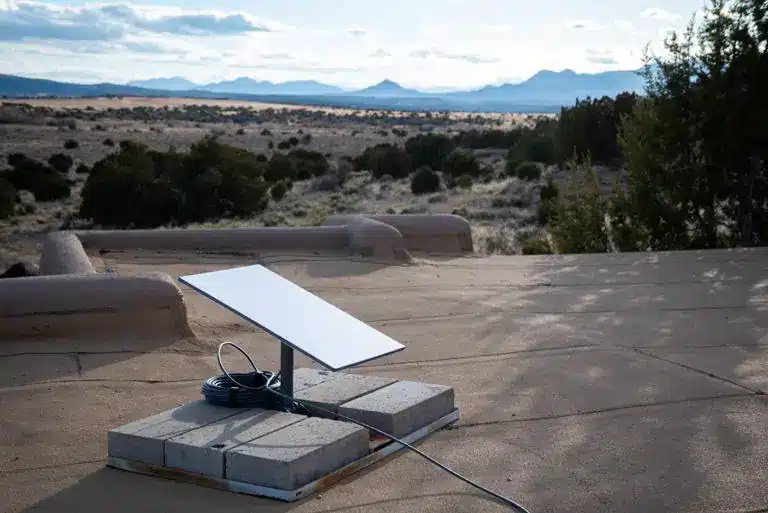
Starlink is SpaceX’s satellite internet “constellation” that provides high-speed, low-latency broadband services to users globally. With more than 6,300 satellites already in low Earth orbit, Starlink has the capacity to deliver internet access to even the most remote locations—an essential feature for Vietnam’s underserved rural areas. The service supports activities like streaming, online gaming, and video conferencing, which have become indispensable during the digital age.
This level of connectivity could help Vietnam leapfrog some of the traditional infrastructure challenges that come with expanding terrestrial broadband services. The introduction of Starlink’s high-speed satellite internet has the potential to close the digital divide, bringing the internet to previously underserved areas. This will not only improve the quality of life for rural populations but also spur economic activity by enabling local businesses to tap into global markets.
Challenges and Regulatory Considerations
While the potential benefits of Starlink’s entry into Vietnam are immense, there are also hurdles to overcome. First, the regulatory environment in Vietnam will need to adapt to accommodate satellite-based internet services. As of now, Vietnam’s internet infrastructure is dominated by state-owned providers, and any move to introduce a foreign competitor could stir debates about market liberalization and national security.
Moreover, Vietnam’s telecom sector operates under strict government oversight, and SpaceX will likely face rigorous regulatory scrutiny before its proposal is fully approved. The government has already called on SpaceX to closely work with local agencies and partners to ensure compliance with Vietnamese laws. Ensuring the security of data transmitted via satellite and the protection of consumer privacy will be high on the agenda for Vietnamese regulators.
Potential Impact on Disaster Response
One of the key selling points of the Starlink proposal is its potential to bolster Vietnam’s disaster response capabilities. The country is highly vulnerable to natural disasters, including typhoons, floods, and landslides. Starlink’s satellites could provide essential communication infrastructure during emergencies, ensuring that first responders have uninterrupted access to real-time data and communication channels.
During disasters, traditional communication networks are often damaged or overwhelmed, leaving communities isolated. Starlink’s low-latency satellite internet could serve as a critical backup, helping to coordinate rescue operations, distribute resources, and provide timely updates to affected populations. This capability could be particularly valuable in Vietnam’s rural and coastal regions, where infrastructure is less resilient.
Starlink’s Global Expansion and Vietnam’s Role
Vietnam is just one of many countries where SpaceX is looking to expand its Starlink services. The company’s ambitious plan to provide global satellite internet has already seen significant uptake in regions like North America and Europe, but Southeast Asia represents a new frontier. Vietnam, with its strategic location and growing economy, could serve as a launchpad for Starlink’s broader expansion into Asia.
Additionally, Vietnam’s push to adopt advanced technologies aligns with broader global trends. As countries worldwide race to deploy 5G networks and explore the potential of satellite internet, Vietnam is positioning itself to be part of this next-generation digital revolution.
The Cost of Starlink and Its Appeal to Different Markets
Starlink offers several service plans, catering to a diverse range of consumers, from individuals to large enterprises. For residential users, the service starts at $120 per month, providing unlimited data—an attractive proposition for households in areas with limited or unreliable internet options. For more mobile users, such as digital nomads and campers, Starlink’s Roam service offers a flexible plan starting at $50 per month for 50GB of data, with an option for unlimited service at $165 per month.
Starlink also offers specialized plans for maritime use, starting at $250 per month for 50GB, which can go up to $1,000 per month for 1TB of data. This has made Starlink a popular choice for businesses and organizations involved in emergency response, maritime operations, and other mobile industries. Additionally, businesses can access more advanced plans ranging from $140 to $5,000 per month, depending on their needs.
Broader Implications for Vietnam’s Economy
If the proposed investment comes to fruition, it would mark one of the largest foreign tech investments in Vietnam’s history. Beyond improving internet access, the Starlink project could create jobs, stimulate local businesses, and encourage further investments in the tech sector. Additionally, enhanced internet infrastructure could help Vietnam attract more multinational companies looking for stable, high-speed connectivity to support their operations in the region.
In a broader sense, Starlink’s investment in Vietnam could pave the way for the country to become a regional leader in digital innovation. As Vietnam continues to embrace technologies like AI, blockchain, and IoT, a robust internet infrastructure will be crucial for sustaining this growth.
Conclusion
The potential $15 billion Starlink investment in Vietnam represents a significant opportunity for both SpaceX and the Southeast Asian nation. If realized, this partnership could dramatically enhance Vietnam’s digital infrastructure, bolster disaster preparedness, and strengthen the country’s position in the global tech landscape. While challenges remain, particularly around regulatory approval, the long-term benefits of such a collaboration could be transformative for Vietnam’s economy and its people.
photo source: Google
By: Montel Kamau
Serrari Financial Analyst
27th September, 2024