
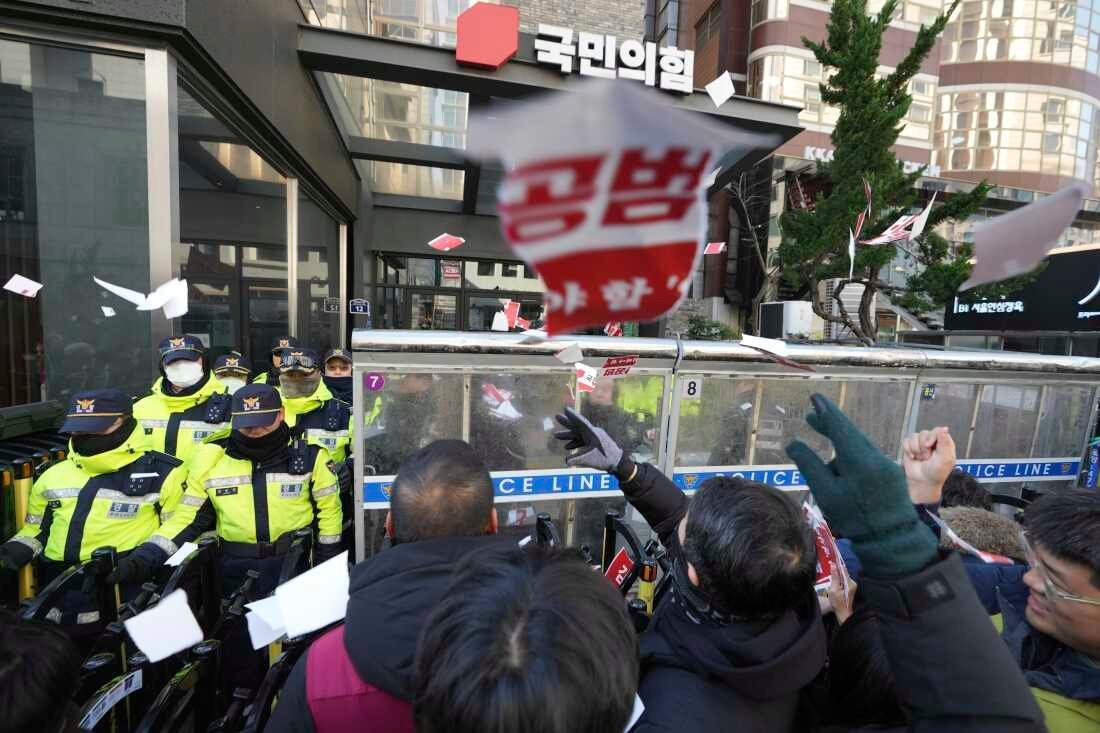
South Korea’s travel and tourism industry, a key driver of its economy generating $59.1 billion in 2023 (approximately 3.8% of its GDP), now finds itself at a crossroads. The sector has weathered several past challenges, including North Korean tensions and a presidential impeachment in 2016, but the recent political crisis, marked by a brief episode of martial law, has stirred concerns about its resilience.
Tourism Industry Impact
South Korea’s hospitality and tourism sector, encompassing everything from plastic surgery clinics to luxury hotels, is reeling from the uncertainty caused by political instability. Though the martial law declaration by President Yoon Suk Yeol on December 4 lasted only six hours before being overturned by parliament, the ripple effects on the tourism industry are becoming evident.
Cancellations and Reduced Bookings
While daily life and tourist activities remain largely uninterrupted in Seoul, the industry has begun to feel the strain:
- Rising Cancellations: Hotels in Seoul, including properties under the Accor group such as Fairmont and Sofitel, have reported a 5% increase in cancellation rates since early December.
- Lower Occupancy Rates: Previously fully-booked hotels are now lowering prices and offering discounts to attract bookings.
- Decline in Forward Bookings: The Korea Tourism Start-up Association has noted a sharp decline in bookings for the first half of 2025, with travelers apprehensive about potential disruptions.
- Medical Tourism Decline: Plastic surgery clinics, a cornerstone of South Korea’s medical tourism, particularly in Seoul’s upscale Gangnam district, have also reported cancellations from foreign patients.
Response from Authorities
Seoul Mayor Oh Se-hoon has sought to allay fears, emphasizing that the city remains safe. During a meeting with tourism industry representatives, he declared “Seoul is safe” in multiple languages, aiming to reassure both local stakeholders and international visitors. However, such reassurances may have limited impact if the political turbulence persists.
Political Instability and Tourism Resilience
South Korea’s tourism sector has historically demonstrated resilience. For example, the impeachment of President Park Geun-hye in 2016 and frequent tensions with North Korea only caused temporary dips in visitor numbers. However, the current crisis, involving military intervention in governance, presents a more severe test.
Parliament is set to vote on a motion to impeach President Yoon on December 16, marking another pivotal moment in the crisis. While the country’s institutional checks and balances appear robust, prolonged political uncertainty could further erode traveler confidence.
Soft Power Under Threat
South Korea’s rise as a global cultural powerhouse, propelled by the Korean Wave (Hallyu), is a cornerstone of its soft power. The international popularity of K-pop, Korean dramas, and beauty products has elevated the country’s image, with global brands like Samsung reinforcing its reputation for innovation and quality.
Tourism as a Soft Power Tool
The South Korean government has ambitiously aimed to almost double the number of annual tourists to 30 million by 2027 compared to 2019 levels. Strategies include leveraging the Korean Wave and promoting MICE (Meetings, Incentives, Conferences, and Exhibitions) tourism. However, the political crisis threatens to undercut these efforts:
- MICE Tourism Vulnerability: Ha Hong-kook, secretary-general of the Korea MICE Association, warns that extended instability could deter group business travel, a vital segment for the industry.
- Perception of Safety: South Korea has long been regarded as a safe destination. However, recent events have cast doubt on this reputation, potentially affecting tourist numbers from key markets like China, Japan, and the U.S.
Potential Silver Linings
Despite immediate setbacks, some analysts believe South Korea could emerge stronger. Andrew Gilholm of Control Risks Group suggests that demonstrating institutional resilience and a peaceful resolution to the crisis could enhance the country’s international image over time.
Economic Ramifications
The tourism industry’s troubles extend beyond lost revenue from canceled trips. The broader economy could feel the pinch through reduced consumer spending and weakened investor confidence. The hospitality sector, which employs a significant portion of the workforce, may also face job cuts if the downturn persists.
Dependence on Key Markets
China, South Korea’s largest source of foreign visitors, remains a critical factor. While some Chinese tourists, like Su Shu of Moment Travel in Chengdu, express confidence in returning to South Korea, others may seek alternative destinations amid ongoing uncertainty. Japan and the U.S., the second and third largest visitor sources, could also contribute to a slower recovery if the crisis deepens.
Government Mitigation Efforts
To cushion the impact, the South Korean government may need to take proactive steps:
- Marketing Campaigns: Reassuring international tourists through targeted campaigns highlighting the country’s safety and attractions.
- Incentives for Travelers: Offering visa waivers, tax rebates, or other incentives to encourage visits.
- Support for the Industry: Providing financial assistance to businesses in the tourism sector to weather the downturn.
Long-Term Outlook
South Korea’s ability to navigate the current crisis will determine its tourism sector’s trajectory in the coming years. If the political situation stabilizes quickly, the industry may rebound, supported by the country’s strong cultural appeal and economic infrastructure. However, a prolonged crisis could erode gains made in recent years, undermining South Korea’s ambitions as a top global destination.
By leveraging its resilience and implementing strategic interventions, South Korea can mitigate the immediate impacts while laying the groundwork for sustained growth in its tourism and hospitality sector. The coming weeks and months will be critical in shaping this outcome.
Ready to take your career to the next level? Join our dynamic courses: ACCA, HESI A2, ATI TEAS 7 , HESI EXIT and NCLEX – RN !🌟 Dive into a world of opportunities and empower yourself for success. Explore more at Serrari Ed and start your exciting journey today! ✨
Photo source: Google
By: Montel Kamau
Serrari Financial Analyst
12th December, 2024