Johannesburg, South Africa – Inflation in South Africa exhibited a notable uptick in September, primarily propelled by surging food and fuel prices, with transport costs also playing a contributing role. According to data released by Statistics South Africa, headline consumer inflation rose from 4.8% in August to 5.4% year-on-year in September. This has created new challenges for policymakers and economists alike.
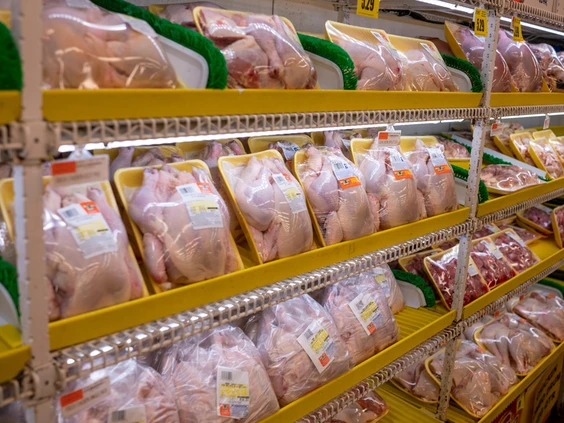
Notably, the sharp increase in prices was attributed to two key sectors – food and fuel. The essential food sector has been shaken by South Africa’s worst avian flu outbreak, leading to a shortage in egg and chicken meat supplies. This crisis prompted millions of chickens to be culled and restrictions placed on egg purchases by grocery retailers, putting additional pressure on food inflation.
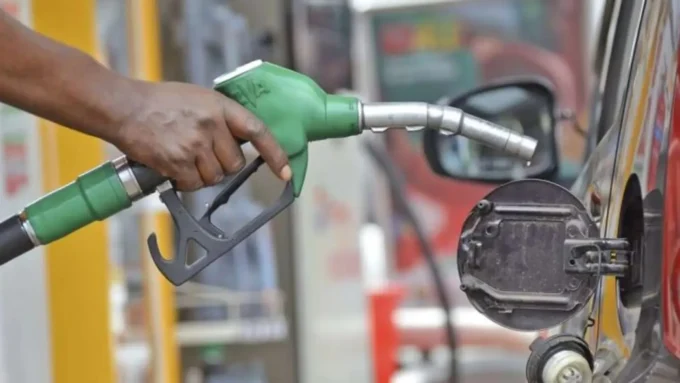
The fuel sector also contributed to the inflationary surge, with fluctuating global oil prices impacting local fuel costs. In response to these mounting price pressures, the South African Reserve Bank (SARB), which maintains an inflation target range of 3% to 6%, expressed concerns over upside risks to inflation and the growing uncertainty surrounding its trajectory.
The South African Reserve Bank, which previously implemented ten consecutive rate hikes to combat inflation, has opted to maintain interest rates unchanged during its last two policy meetings. This decision aligns with their effort to gauge the evolving economic landscape and the effects of previous policy measures. The latest inflation figures are expected to further inform the central bank’s future policy direction.
As the business community and investors adapt to these shifts, the trajectory of South Africa’s inflation and the central bank’s policy responses continue to be a topic of intense interest, with broader implications for the nation’s economic outlook.
PHOTO BY LUCAS JACKSON/REUTERS FILES
By: Montel Kamau
Serrari Financial Analyst
18th October, 2023