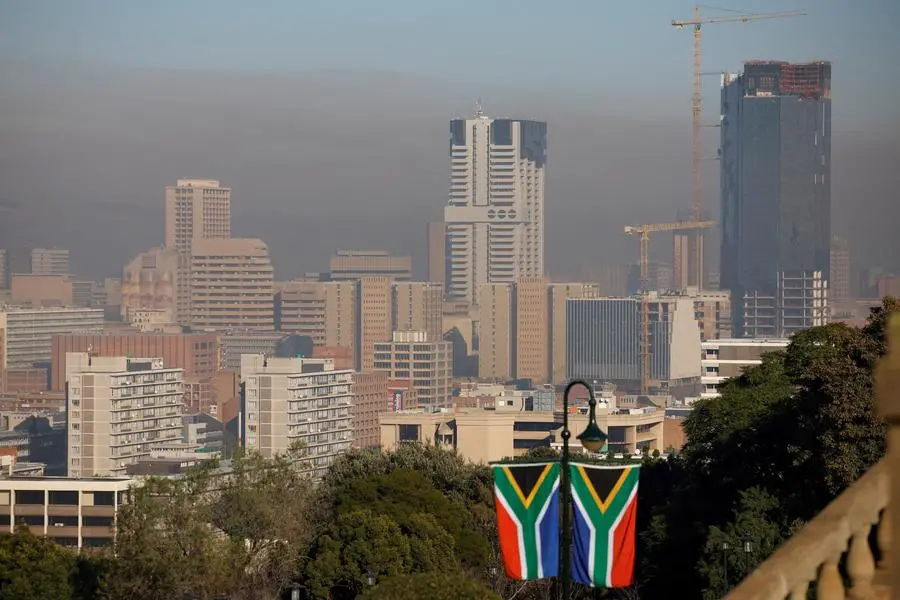
The South African Reserve Bank (SARB) has issued an optimistic update on the country’s financial stability, highlighting significant economic improvements driven by political and structural changes. Key developments such as a stabilized coalition government, reduced power outages, and the SARB’s proactive monetary policies have bolstered investor confidence.
Strengthened Currency Performance
Notably, the South African rand has emerged as a standout among emerging market currencies, strengthening against the U.S. dollar in 2024. This resilience reflects investor optimism fueled by the country’s successful elections and collaborative government. South Africa’s newfound political stability has reestablished it as a promising destination for foreign investment.
Political Stability and Governance
For the first time in three decades, the African National Congress (ANC) lost its parliamentary majority in the May 2024 elections. The subsequent formation of a government of national unity (GNU), involving the ANC, the Democratic Alliance, and other smaller parties, has ushered in a new era of political stability. This shift has been critical in addressing long-standing governance challenges and enhancing the country’s economic trajectory.
Reduced Power Outages and Economic Growth
South Africa’s energy sector has seen a dramatic turnaround, with eight consecutive months of uninterrupted power supply following years of debilitating rolling blackouts. The easing of electricity load-shedding has provided much-needed relief to businesses and households, paving the way for increased productivity. Economic growth is projected to recover modestly, with GDP growth estimates rising from 1.0% in 2024 to 1.4% by 2027.
SARB’s Monetary Policy Actions
The SARB’s efforts to control inflation and stimulate economic growth have been pivotal. The central bank has lowered its benchmark lending rate to 7.75% and signaled potential future cuts. These measures, alongside a requirement for banks to increase their capital buffers by 1% starting in 2025, aim to reinforce financial sector stability.
Challenges and Risks
Despite the positive developments, South Africa continues to face structural challenges. Ratings agencies such as S&P Global have maintained the country’s credit rating below investment grade, though the recent upgrade to a positive outlook reflects growing confidence in the government’s reform agenda. Persistent risks include low economic growth, climate change impacts, and vulnerabilities to systemic cyber incidents.
Outlook for Trade and Investment
South Africa’s economic outlook remains intertwined with global trends. International developments, including potential protectionist policies in the U.S., could affect South Africa’s export-driven industries, particularly metals and ores. However, renewed global interest in emerging markets and South Africa’s political and economic reforms position it well to attract increased foreign investment.
Conclusion
The SARB’s recent Financial Stability Review underscores South Africa’s resilience and progress. While challenges persist, the country’s proactive governance, structural reforms, and improved energy reliability lay a strong foundation for sustained economic recovery and growth. Enhanced investor sentiment and a collaborative political framework signal a brighter future for the nation’s financial stability..
Ready to take your career to the next level? Join our dynamic courses: ACCA, HESI A2, ATI TEAS 7 , HESI EXIT and NCLEX – RN !🌟 Dive into a world of opportunities and empower yourself for success. Explore more at Serrari Ed and start your exciting journey today! ✨
photo source: Google
By: Montel Kamau
Serrari Financial Analyst
29th November, 2024