
Key Takeaways
- No increase in VAT: The 15% rate remains unchanged, overturning earlier plans to raise it to 16% over two years.
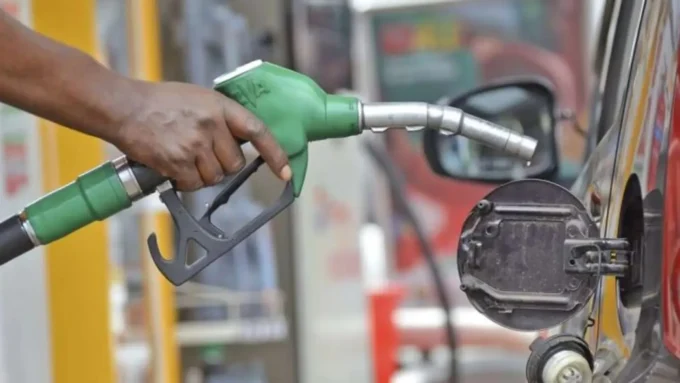
- Fuel levy adjusted for inflation: A 16-cent-per-litre petrol and 15-cent-per-litre diesel hike takes effect 4 June 2025.
- Growth forecasts cut: 2025 GDP growth is now projected at 1.4%, down from 1.9% in March.
- Debt burden stabilises: Government debt is expected to plateau at 77.4% of GDP in 2025/26, up from 76.2% (Reuters, National Treasury of South Africa).
- R1 trillion infrastructure drive: Over three years, spending is preserved to support transport, energy and water projects.
- Social grants protected: All existing grant increases remain intact, underlining the budget’s pro-poor stance.
A Third Time’s the Charm: From VAT Hike to Budget Consensus
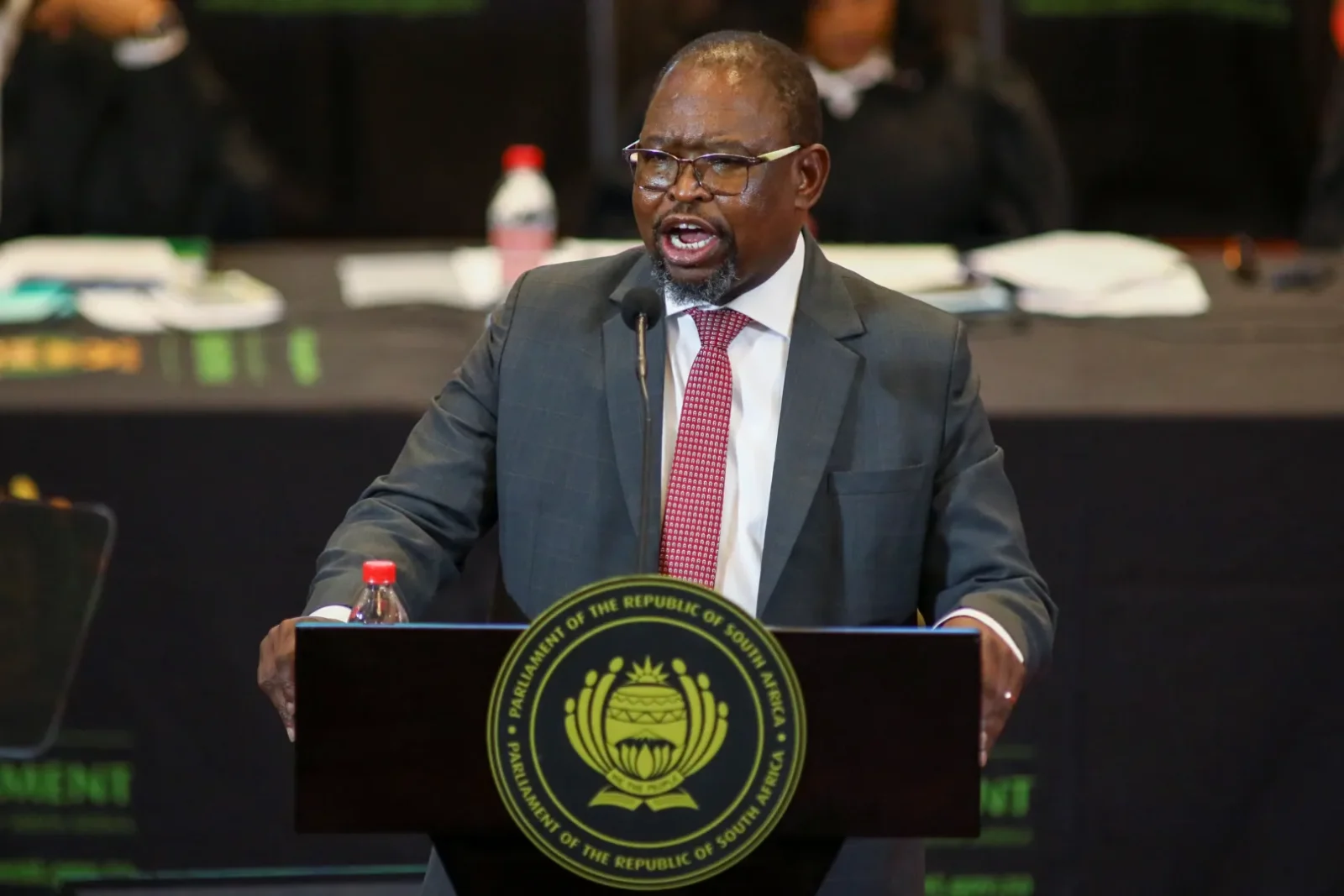
Finance Minister Enoch Godongwana delivered his third iteration of the 2025 Budget speech on 21 May 2025, having twice postponed the exercise amid coalition wrangling over a proposed VAT rise (Government of South Africa, Xinhua). In March, he had outlined a phased 0.5 percentage-point VAT increase in each of the 2025/26 and 2026/27 financial years, taking the rate to 16% by 2026/27. That proposal was met with fierce opposition from both opposition parties and coalition partners, forcing a rethink.
To fill the R 61.9 billion revenue hole created by shelving the VAT increase, the minister announced an inflation-linked adjustment to the general fuel levy and a range of spending-containment measures.
Macroeconomic Outlook: Growth Under Pressure
South Africa’s growth forecast has been revised downward to 1.4% for 2025, compared with 1.9% projected in the March budget review (BusinessLIVE, Xinhua). This cut reflects “greater global risks and economic weakness” amid slowing commodity demand and tighter financing conditions. Projections for 2026 and 2027 stand at 1.6% and 1.8%, respectively.
- Inflation: April’s Consumer Price Index came in at 4.5% year-on-year, within the South African Reserve Bank’s 3–6% target band but still above the global average.
- Unemployment: At roughly 33.9%, the rate remains stubbornly high, exacerbating social pressures and limiting consumer spending (National Treasury of South Africa).
Despite these challenges, Godongwana stressed that the budget “supports economic activity while raising future economic prospects” through targeted infrastructure spending and “investments in state capability” (Xinhua, National Treasury of South Africa).
Fiscal Framework and Debt Sustainability
The updated fiscal trajectory aims to ensure that revenue growth outpaces expenditure, thereby stabilising the debt-to-GDP ratio at 77.4% in 2025/26—up from 76.2% in the March estimates (Reuters, National Treasury of South Africa). Key figures include:
| Indicator | 2024/25 | 2025/26 (Revised) | Previously Projected |
| Budget deficit (% of GDP) | 4.5% | 4.8% | 4.6% |
| Gross government debt (% of GDP) | 74.6% | 77.4% | 76.2% |
| Debt-service costs (% of revenue) | 20¢ per rand | 22¢ per rand | — |
Godongwana reaffirmed his commitment to primary budget surpluses, noting for the first time in decades that interest payments are being controlled relative to total revenue, and flagged further R 20 billion of new tax measures for the 2026 Budget to underpin fiscal health.
Tax Measures: No VAT Hike, But the Price at the Pump Rises
VAT Stays at 15%
- Shelving the VAT increase preserves households’ purchasing power, especially for low-income and middle-class consumers who would have faced higher prices on basic goods.
Fuel Levy Indexed to Inflation
- Petrol: +16 cents per litre from 4 June 2025
- Diesel: +15 cents per litre from 4 June 2025 (PKF South Africa, Government of South Africa)
This marks the first general fuel-levy increase in three years. Higher fuel costs will feed into transport and logistical expenses, subtly broadening the tax base while cushioning low-income households from more regressive consumption taxes.
Other Revenue Measures
- Excise duties on alcohol to rise above inflation—targeting a 5% real-terms increase.
- Enhanced SARS funding: Additional R 7.5 billion over the medium-term to bolster tax-collection capacity (Government of South Africa, National Treasury of South Africa).
Social Spending: Protecting the Vulnerable
Maintaining and expanding the social wage remains central to the budget’s humanised narrative. Key allocations include:
- Child Support Grant: Rises in line with inflation, reaching R 510 per month for primary caregivers.
- Old Age and Disability Grants: Preserved increases, with the Old Age Pension set at R 2,150 per month.
- Social Relief of Distress: A special grant of R 350 monthly extended for another year, supporting those not qualifying for standard grants (Xinhua, IOL).
Altogether, 61% of non-interest spending is directed to social-wage programmes, underscoring the government’s commitment to poverty alleviation amid economic headwinds.
Infrastructure Investment: A R1 Trillion Pillar of Growth
To turbocharge growth, the budget safeguards a R 1 trillion allocation for infrastructure over three years, with strategic focus areas:
- Transport: Rail-network upgrades and road maintenance to reduce logistics bottlenecks.
- Energy: Transmission-grid expansions and renewables integration to stabilise supply.
- Water and Sanitation: Dam refurbishments and urban water schemes to support agriculture and households.
- Digital Connectivity: Broadband rollouts in rural regions, bridging the digital divide.
Such capital deployment is expected to yield multiplier effects, stimulating job creation in construction and supporting downstream industries. The National Treasury’s Infrastructure Investment Plan details these projects and can be accessed here (National Treasury of South Africa).
Political Reactions: A GNU United, Opposition Skeptical
Government of National Unity (GNU)
Parties within the broad-based coalition—including the African National Congress (ANC), Democratic Alliance (DA) coalition partners, and smaller factions—largely welcomed the re-tabled budget as a consensus document that balances growth and equity (IOL).
Opposition Parties
The Economic Freedom Fighters (EFF) and other opposition voices branded the budget “insufficient” to tackle structural unemployment and inequality.
- EFF spokesperson: Criticised the lack of radical land-reform measures and accused the budget of favouring corporate interests.
- UMkhonto weSizwe Party (MKP): Filed motions against what they called “half-measures” on tax justice and social protection (Polity).
Ratings Agencies and Market Response
Investors reacted cautiously. The South African rand traded near a five-month high of ZAR 17.95/USD ahead of the budget speech but remains sensitive to deficit risks (Reuters). Key credit-rating updates:
- Moody’s: Holds South Africa at Baa3 with a negative outlook, warning that the debt trajectory remains “elevated” despite the VAT reversal.
- S&P Global Ratings: Placed the country on positive outlook in November 2024 but cautions that further fiscal slippage could trigger a downgrade.
- Fitch: Retains a ’BB-’ rating, noting that “growth challenges continue to outweigh early signs of fiscal consolidation” (Investec).
Bond yields barely budged in the immediate aftermath, but analysts expect sustained volatility as global financial conditions tighten.
International Perspective: IMF and Beyond
The International Monetary Fund (IMF) welcomed the decision to shelve the VAT hike as “responsive to social pressures,” but urged South Africa to implement structural reforms including streamlined business regulations and accelerated state-owned-enterprise turnarounds to lift potential growth above 2.5% annually (BusinessLIVE).
The World Bank, in its South Africa Development Update, highlighted that while social-wage protections are vital, “long-term competitiveness hinges on reducing energy‐sector costs and improving logistics performance” (National Treasury of South Africa).
Direct Impact: Households and Businesses
Consumers
- No VAT hike means basic food items, healthcare products and schooling costs stay more affordable, benefiting middle- and lower-income households.
- Higher fuel costs, however, will feed through to transport prices, potentially adding 0.2% to headline inflation over the next quarter.
Small and Medium Enterprises (SMEs)
- Preserved disposable incomes should underpin retail demand, but tightened public-sector spending on procurement could dampen opportunities for SMEs reliant on government contracts.
- Infrastructure upgrades offer new contracts in construction, engineering and IT services.
Looking Ahead: Risks and Opportunities
While the 2025 re-table establishes a fiscal compromise, key risks remain:
- Global headwinds: Slower growth in China and Europe could drag down commodity prices, hitting export revenues.
- Political uncertainty: General elections due in 2026 may reignite calls for spending reversals or fresh tax hikes.
- Structural reforms: Without bold labour-market liberalisation and energy-sector unbundling, growth could languish below 2%.
Conversely, the budget’s infrastructure pipeline and social-wage protection create a platform for sustainable, inclusive growth—provided reforms to unlock private-sector investment are vigorously pursued.
Ready to take your career to the next level? Join our dynamic courses: ACCA, HESI A2, ATI TEAS 7 , HESI EXIT , NCLEX – RN and NCLEX – PN, Financial Literacy!🌟 Dive into a world of opportunities and empower yourself for success. Explore more at Serrari Ed and start your exciting journey today! ✨
photo source: Google
By: Montel Kamau
Serrari Financial Analyst
22nd May, 2025