South Africa’s economy showed signs of stagnation in the first quarter of 2025, recording only a marginal quarter-on-quarter growth of 0.1%, highlighting the ongoing struggles facing Africa’s most industrialized economy. This slow growth came despite some pockets of strength, particularly in the agriculture sector, which grew robustly. However, contractions in other critical sectors, such as mining and manufacturing, offset these gains, underscoring the fragile nature of South Africa’s economic recovery.
A Decade of Sluggish Growth Since the Global Financial Crisis
South Africa’s growth woes are not new. Since the 2008-2009 global financial crisis, the country has found it difficult to regain momentum. Over the last decade, annual GDP growth has averaged below 1%, significantly lagging behind other emerging markets and regional peers. The reasons for this prolonged stagnation are multifaceted, encompassing structural issues, policy uncertainties, and external shocks.
The country’s economic challenges have been further compounded by the impact of the COVID-19 pandemic, which led to a severe recession in 2020, and a slow recovery trajectory since then.
First Quarter 2025: Sectoral Performance and Impact
The most recent data released by Statistics South Africa (Stats SA) painted a mixed picture for the first quarter of 2025. While the overall GDP growth was a modest 0.1% quarter-on-quarter, this headline figure masks considerable disparities across sectors:
- Agriculture emerged as the star performer, growing by over 15% in the quarter. This growth was driven by favorable weather conditions and increased output, which helped mitigate some of the economic slowdown elsewhere. The agriculture sector’s strong performance is significant because it provides employment to millions, especially in rural areas, and contributes to food security.
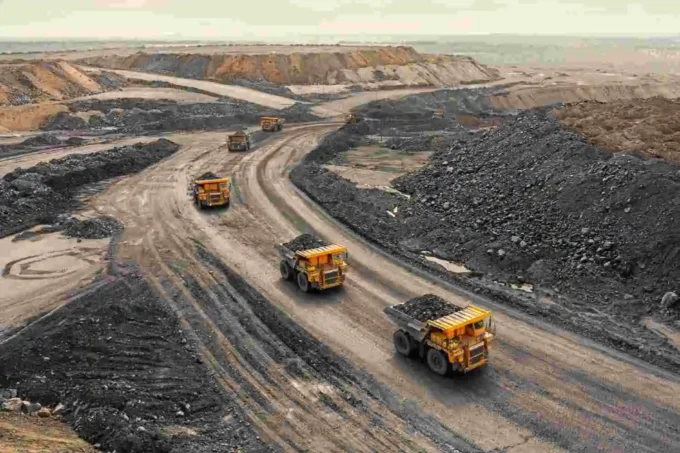
- Mining, historically one of South Africa’s economic pillars, contracted by 4%. This sector has faced ongoing challenges, including operational disruptions, labor unrest, and fluctuating commodity prices. South Africa is a major global producer of minerals like platinum, gold, and coal, and downturns in this sector have widespread implications for export revenues and employment.
- Manufacturing shrank by 2%, reflecting persistent difficulties such as power shortages, aging infrastructure, and competition from cheaper imports. Manufacturing has traditionally been a key driver of industrial growth and job creation, and its contraction is a worrying sign for the broader economy.
Economic Confidence and the Role of Government
Since the formation of the coalition government in late 2024, business and consumer confidence have shown signs of improvement. The new government has pledged reforms aimed at revitalizing the economy, tackling corruption, and improving governance. However, these positive sentiments have yet to translate into meaningful increases in economic output.
Statistician-General Risenga Maluleke highlighted the precariousness of the current economic situation during a press conference, stating:
“Our economy is not growing sufficiently, and at this state, it is easy for it to slide into the negative.” This warning underscores the fragility of South Africa’s growth prospects and the need for urgent policy interventions.
Revised Growth Estimates and Monetary Policy Implications
Stats SA also revised its estimate for the fourth-quarter 2024 GDP growth downwards, from an initial 0.6% to 0.4% quarter-on-quarter, signaling that momentum had already been weakening before 2025 began.
Reflecting these realities, the South African Reserve Bank (SARB) recently cut its 2025 GDP growth forecast from 1.7% to 1.2%, a significant downgrade that has implications for monetary policy. According to research firm Capital Economics, the weak data strengthens the case for further interest rate cuts to stimulate economic activity.
Interest rates remain a critical tool for the SARB in balancing inflation control and supporting growth. South Africa has been grappling with elevated inflation levels, partly driven by higher fuel and food prices, which complicates monetary policy decisions.
Structural Challenges: Logistics Bottlenecks and Infrastructure Woes
One of the key impediments to South Africa’s growth is logistics bottlenecks, particularly in the country’s ports and freight rail networks. South Africa’s strategic position as a gateway to the rest of Africa makes efficient logistics essential for trade competitiveness. However, persistent delays and inefficiencies at ports like Durban and Cape Town hamper export activities and raise costs for businesses.
The Transnet National Ports Authority (TNPA) and freight rail operator Transnet Freight Rail have been under pressure to improve operations and infrastructure. Although there have been some recent improvements, progress remains slow, limiting the potential for faster economic expansion.
Year-on-Year Growth and International Comparisons
On a year-on-year basis, South Africa’s GDP grew by 0.8% in Q1 2025, slightly outperforming forecasts that predicted a 0.7% increase. While this indicates some resilience, it remains far below the levels needed to address high unemployment and poverty.
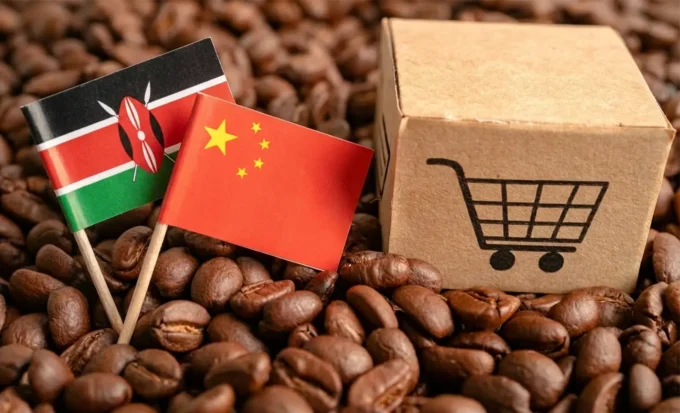
For context, other emerging markets in Africa, such as Kenya and Nigeria, have recently posted higher growth rates, buoyed by expanding sectors like technology, agriculture, and services. This comparison highlights the urgency for South Africa to enact reforms to enhance its growth trajectory.
The Impact on Employment and Social Stability
South Africa continues to struggle with high unemployment, which stood at around 33% as of early 2025, according to Stats SA. Youth unemployment remains particularly acute, with many young people unable to find formal employment opportunities.
The slow economic growth compounds social challenges, fueling inequality and poverty. South Africa’s Gini coefficient remains one of the highest globally, underscoring the uneven distribution of wealth and opportunities.
Government Reforms and the Path Forward
The new coalition government has set ambitious goals to revitalize the economy. Key priorities include:
- Energy reforms: Addressing electricity supply constraints by encouraging investment in renewable energy and improving the reliability of Eskom, the state power utility, which has faced ongoing outages that disrupt industrial activity.
- Infrastructure investment: Accelerating upgrades to ports, railways, and road networks to ease logistics bottlenecks and boost trade competitiveness.
- Regulatory improvements: Streamlining business regulations to attract foreign investment and support entrepreneurship.
- Skills development: Enhancing education and vocational training to equip the workforce with skills demanded by a modern economy.
However, translating these priorities into tangible outcomes will require political stability, effective governance, and overcoming entrenched interests.
External Factors and Global Economic Environment
South Africa’s economic performance is also influenced by global trends. Commodity prices, which are crucial to the mining sector, remain volatile due to geopolitical tensions and shifting demand, particularly from China, South Africa’s largest trading partner.
Additionally, global inflationary pressures and tighter monetary policies in developed economies impact capital flows and exchange rates, affecting South Africa’s borrowing costs and export competitiveness.
Outlook and Investor Sentiment
Despite the challenges, South Africa remains an important economic hub in Africa with substantial potential. Its sophisticated financial markets, developed infrastructure, and strategic location continue to attract investment.
Investor sentiment, however, hinges on the government’s ability to implement reforms, improve governance, and restore confidence in the economy’s long-term prospects.
Conclusion
The first quarter of 2025 reaffirmed the slow and uneven nature of South Africa’s economic recovery, with just a 0.1% growth rate exposing vulnerabilities across key sectors. While agriculture provided a welcome boost, declines in mining and manufacturing, combined with structural challenges like logistics bottlenecks, continue to weigh heavily.
For South Africa to escape the cycle of stagnation, decisive government action, policy reforms, and improved infrastructure are essential. The path ahead is complex, but with the right strategies, South Africa can reignite growth, create jobs, and fulfill its role as Africa’s economic powerhouse.
Ready to take your career to the next level? Join our dynamic courses: ACCA, HESI A2, ATI TEAS 7 , HESI EXIT , NCLEX – RN and NCLEX – PN, Financial Literacy!🌟 Dive into a world of opportunities and empower yourself for success. Explore more at Serrari Ed and start your exciting journey today! ✨
photo source: Google
By: Montel Kamau
Serrari Financial Analyst
4th June, 2025