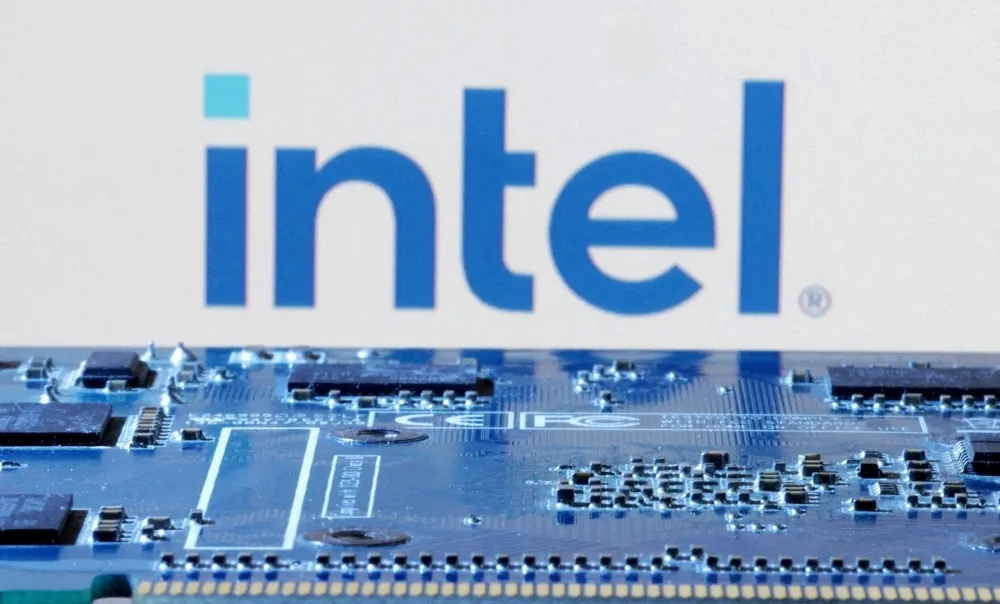
Intel Corporation received a significant boost on Monday as Japanese technology investment giant SoftBank announced a $2 billion investment in the embattled American chipmaker, paying $23 per share for common stock. The announcement came amid swirling reports that the Trump administration is simultaneously exploring a government stake in the company, marking an unprecedented convergence of private and public sector support for the struggling semiconductor icon.
Intel shares, which closed Monday at $23.66, rose approximately 6% in extended trading to $25 following the SoftBank announcement, providing much-needed momentum for a company that has endured one of the most challenging periods in its storied history.
One decision can change your entire career. Take that step with our Online courses in ACCA, HESI A2, ATI TEAS 7, HESI EXIT, NCLEX-RN, NCLEX-PN, and Financial Literacy. Join Serrari Ed and start building your brighter future today.
Trump Administration’s Strategic Interest
The SoftBank investment announcement came just hours after renewed reports that the Trump administration is actively discussing converting government grants into an approximately 10% equity stake in Intel. This potential deal, first reported last week, represents what political scientist Sarah Bauerle Danzman from Indiana University describes as a “major escalation” in the Trump administration’s approach to reshaping the government’s role in the private sector.
The discussions center around Intel’s ambitious plans to build a flagship manufacturing hub in Ohio, a project seen as critical to America’s semiconductor independence. However, a White House spokesman previously told the BBC that such reports “should be regarded as speculation” unless officially announced, and the BBC has reached out to both the White House and Intel for updated comments.
Last week’s meeting between President Trump and Intel CEO Lip-Bu Tan added another layer of complexity to the relationship. The encounter occurred just days after Trump publicly called for Tan’s resignation, accusing him of being “highly conflicted” due to his previous business ties to China. This dramatic shift from public criticism to potential partnership underscores the strategic importance Intel holds in America’s technology landscape.
Intel’s Mounting Challenges
Intel’s 2024 performance has been nothing short of disastrous, with the company losing more than 60% of its market value following a 90% gain in 2023. The chipmaker has struggled with what analysts describe as a dual business model challenge – simultaneously designing and manufacturing chips in an increasingly complex and capital-intensive market that has led to significant market share losses.
The market punishment has been severe, with Intel’s stock dropping by over 50% in 2024 alone. In a symbolic blow to the company’s prestige, Intel was removed from the Dow Jones Industrial Average in November 2024 and replaced with Nvidia, reflecting the broader shift in semiconductor market leadership.
The company has responded with aggressive cost-cutting measures, implementing a comprehensive spending reduction plan that includes more than 15% headcount reduction – affecting around 15,000 employees – as part of a broader $10 billion cost reduction initiative targeting completion by mid-2025.
The Foundry Business Struggles
Intel’s ambitious foundry business, designed to compete with industry leaders Taiwan Semiconductor Manufacturing Company (TSMC) and Samsung, has faced significant headwinds. According to industry reports, Intel faces difficulties with its upcoming 18A process technology, slated for high-volume production in 2025, with major potential client Broadcom concluding after tests that Intel’s process was not yet ready for large-scale deployment.
The foundry challenges have contributed to Intel’s broader struggles in the artificial intelligence market, which continues to be dominated by Nvidia, while skepticism surrounds Intel’s manufacturing bet. The company has been forced to make difficult decisions, including axing certain chip facility projects as it struggles to attract customers to its manufacturing services.
Build the future you deserve. Get started with our top-tier Online courses: ACCA, HESI A2, ATI TEAS 7, HESI EXIT, NCLEX-RN, NCLEX-PN, and Financial Literacy. Let Serrari Ed guide your path to success. Enroll today.
SoftBank’s Strategic Vision
SoftBank’s $2 billion investment represents more than just financial support – it signals confidence in Intel’s potential recovery and aligns with the Japanese conglomerate’s broader artificial intelligence strategy. The investment was described by both companies as a commitment to advanced technology and semiconductors in the United States, positioning it within the context of America’s broader technology competitiveness goals.
SoftBank, led by Masayoshi Son, has been making significant AI-focused investments across multiple sectors. The Intel investment comes on the heels of SoftBank’s participation in other major American technology initiatives, including its involvement in Trump’s announced AI infrastructure project alongside Oracle and OpenAI, which committed to invest up to $500 billion over four years.
The $2 billion investment is expected to represent approximately a 2% stake in Intel, providing SoftBank with meaningful influence while allowing Intel to maintain its independence and operational control.
National Security Implications
Intel’s struggles carry implications far beyond corporate boardrooms. As one of the few American companies capable of manufacturing high-end semiconductors at scale, Intel’s health directly impacts national security and technological sovereignty. Dan Sheehan from Telos Wealth Advisors emphasizes that the government’s interest reflects a clear agenda: “Accelerate domestic production, reduce dependence on Asia, and position Intel at the centre of the AI and national security landscape.”
The potential government investment would mark an extraordinary intervention in private industry, raising questions about the precedent it sets for future government involvement in struggling but strategically important companies. Danzman warns that such moves create a “concerning precedent” as they raise questions about whether companies may be pushed to follow political agendas rather than purely market-driven strategies.
Competitive Landscape Shifts
Intel’s challenges come at a time when the global semiconductor industry is experiencing rapid transformation. While Intel has historically dominated personal computer processors, it has struggled to capitalize on the artificial intelligence boom that has propelled competitors like Nvidia to unprecedented heights.
Despite its challenges, Intel maintains leadership positions in certain segments, continuing to lead the AI PC category and tracking toward shipping more than 100 million AI PCs by the end of 2025. However, this progress pales in comparison to the broader AI infrastructure market where Nvidia maintains overwhelming dominance.
The competitive dynamics have been further complicated by recent regulatory developments affecting Intel’s rivals. Last week, Nvidia and AMD agreed to pay the US government 15% of their Chinese revenues as part of an unprecedented deal to secure export licenses to China, highlighting the increasingly politicized nature of the semiconductor industry.
Manufacturing Renaissance
Intel’s Ohio manufacturing hub represents more than just a single facility – it symbolizes America’s broader effort to rebuild domestic semiconductor manufacturing capabilities. The project aligns with the Biden administration’s CHIPS Act initiatives, which allocated billions in subsidies and incentives to bring advanced chip manufacturing back to American soil.
The Ohio facility is designed to produce Intel’s most advanced processors and serve as a foundry for other companies’ chip designs. Success in this venture could help Intel reclaim its position as a global semiconductor leader while providing America with greater technological independence from Asian suppliers.
Market Analyst Perspectives
Industry analysts view the SoftBank investment through multiple lenses. While some see it as validation of Intel’s turnaround potential, others question whether financial injections alone can address the company’s fundamental technological and competitive challenges.
Intel’s financial metrics paint a challenging picture, with negative earnings per share of -$3.74 and a negative P/E ratio of -5.44 highlighting the company’s recent struggles. However, progressive developments in product enhancements, particularly with upcoming Lunar Lake processors and other technological advances, offer potential paths to recovery.
The investment timing is particularly significant given Intel’s position in the artificial intelligence revolution. While the company has struggled to compete directly with Nvidia’s specialized AI chips, Intel’s broader semiconductor capabilities and manufacturing infrastructure could prove valuable as AI applications become more diverse and distributed.
Global Technology Competition
The Intel-SoftBank partnership occurs against the backdrop of intensifying global technology competition, particularly between the United States and China. America’s determination to maintain semiconductor leadership has led to increasingly aggressive industrial policies, including direct government investment in private companies.
Intel’s role in this competition extends beyond its commercial success to its function as a national strategic asset. The company’s advanced manufacturing capabilities, research and development infrastructure, and technological expertise make it indispensable to America’s long-term competitiveness in emerging technologies.
Future Outlook
The SoftBank investment provides Intel with a crucial capital injection during a critical turnaround period, offering the company additional financial flexibility as it implements its restructuring plans and pursues technological advancement.
The convergence of private investment from SoftBank and potential government backing creates an unusual but potentially powerful support structure for Intel’s recovery efforts. This dual approach reflects both market confidence in Intel’s long-term potential and government recognition of the company’s strategic importance.
However, significant challenges remain. Intel must demonstrate that it can execute on its technological roadmap, particularly the troubled 18A process technology, while competing effectively in rapidly evolving markets like artificial intelligence and autonomous vehicles.
The coming months will be crucial for Intel as it navigates this complex landscape of private investment, potential government partnership, and intense global competition. Success could restore Intel to its former position as America’s undisputed semiconductor champion, while failure could further erode the country’s technological independence.
Ready to take your career to the next level? Join our Online courses: ACCA, HESI A2, ATI TEAS 7 , HESI EXIT , NCLEX – RN and NCLEX – PN, Financial Literacy!🌟 Dive into a world of opportunities and empower yourself for success. Explore more at Serrari Ed and start your exciting journey today! ✨
Track GDP, Inflation and Central Bank rates for top African markets with Serrari’s comparator tool.
See today’s Treasury bonds and Money market funds movement across financial service providers in Kenya, using Serrari’s comparator tools.
photo source: Google
By: Montel Kamau
Serrari Financial Analyst
19th August, 2025