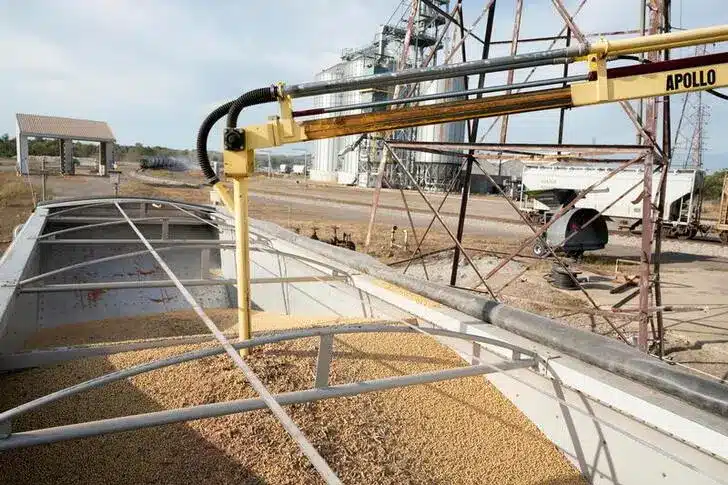
In a move that could significantly boost Nigeria’s non-oil exports, Agriculture Minister Mohammad Abubakar announced that Saudi Arabia has expressed interest in importing 200,000 tonnes of red meat and one million tonnes of soybeans annually from Nigeria.
Economic Diversification and Stability
Facing severe dollar shortages and a weakened naira, Nigeria has been actively seeking to diversify its economy away from its heavy reliance on oil and gas. The interest from Saudi Arabia aligns with Nigeria’s strategy to promote non-oil exports and stabilize its economy.
Minister Abubakar highlighted the importance of this potential trade deal. “We are committed to finding sustainable ways to earn foreign exchange. The interest from Saudi Arabia is a significant step towards achieving our goals of diversifying exports and boosting non-oil sectors,” he stated at a press briefing in Abuja.
Forging International Partnerships
The interest from Saudi Arabia follows a visit by its agriculture minister to Nigeria, where discussions were held with local agribusiness leaders. This visit has set the stage for strategic partnerships and trade agreements.
“Shortly thereafter, they sent an expression of interest. We have developed a roadmap to supply and satisfy that demand,” Abubakar noted. This plan includes measures to ensure quality standards, streamline supply chains, and boost production capacities.
Opportunities for Nigerian Agribusiness
This prospective trade deal presents significant opportunities for Nigerian farmers and agribusinesses. Meeting the demand for 200,000 tonnes of red meat and one million tonnes of soybeans annually could invigorate the agricultural sector, fostering job creation and economic growth in rural areas.
Increased production and export activities are expected to generate valuable foreign exchange, enhance local livelihoods, and stimulate rural economies.
Conclusion
The expression of interest from Saudi Arabia marks a promising step for Nigeria’s efforts to diversify its economy. By leveraging such opportunities, Nigeria aims to build a more resilient and stable economic future, reducing its dependence on oil revenues.
This development underscores Nigeria’s potential to meet global agricultural demands and highlights the importance of strategic international partnerships in driving economic growth.
By: Montel Kamau
Serrari Financial Analyst
3rd July, 2024