Saudi Arabia has approved its state budget for 2025, projecting a fiscal deficit of 101 billion riyals ($26.88 billion), equivalent to approximately 2.3% of its gross domestic product (GDP). Despite the deficit, the kingdom remains committed to massive spending on its Vision 2030 gigaprojects aimed at diversifying its economy away from oil reliance.
Key Highlights of the 2025 Budget:
- Projected Deficit: 101 billion riyals (2.3% of GDP)
- Total Expenditure: 1.285 trillion riyals (approximately 30% of GDP over three years)
- Total Revenue: 1.184 trillion riyals
- Public Debt: Expected to rise to 1.3 trillion riyals (just below 30% of GDP)
Sustaining Vision 2030 Amid Economic Pressures
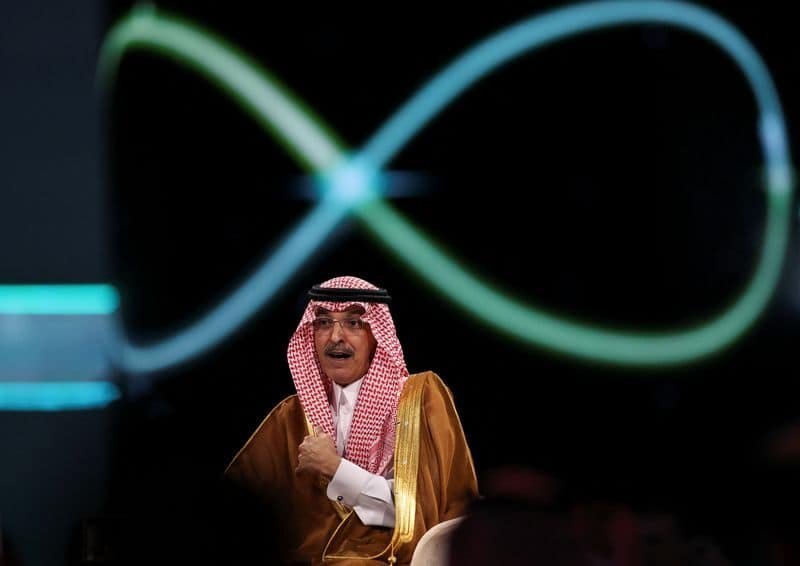
Finance Minister Mohammed Al Jadaan emphasized that Saudi Arabia’s strategic spending on transformative projects under Vision 2030 will continue. Despite challenges posed by declining oil prices and voluntary production cuts by OPEC+, the government remains steadfast in its commitment to long-term growth and economic diversification.
Vision 2030, spearheaded by Crown Prince Mohammed bin Salman, envisions a future where the Saudi economy thrives on sectors such as tourism, technology, renewable energy, and advanced manufacturing. The ambitious reforms have attracted global attention and partnerships, but they come with high costs, necessitating careful fiscal management.
“NEOM is a 50-plus-year plan,” Al Jadaan said, referring to the futuristic $500 billion desert city project. “If anyone is thinking NEOM in its grand size is going to be built and operated and making money in five years, that’s foolish. We are wise people.” He noted that while some components of NEOM would generate returns in the short to medium term, the overall project represents a multi-decade commitment.
Adjustments to Gigaprojects
Recent reports indicate that the government has scaled back certain Vision 2030 projects to focus on elements essential for hosting major global events over the next decade. A sweeping spending review, welcomed by the International Monetary Fund (IMF) and credit ratings agencies such as Moody’s, is currently underway to optimize costs without undermining growth ambitions.
One notable adjustment involves prioritizing infrastructure that aligns with Saudi Arabia’s goal of becoming a global hub for sports and entertainment. For example, Riyadh recently secured hosting rights for the 2034 FIFA World Cup, further solidifying its international profile.
Financing Strategies and Oil Dependency
To cover the 2025 deficit and manage public debt, Saudi Arabia plans to leverage both international and domestic financing mechanisms. Al Jadaan reiterated that there are no immediate plans to transfer additional ownership stakes in Saudi Aramco to the Public Investment Fund (PIF), the sovereign wealth fund backing many Vision 2030 projects.
The PIF aims to grow its assets under management to 4 trillion riyals by the end of 2025, up from 3.47 trillion riyals as of October. However, fluctuations in global oil prices and production cuts could impact the fund’s progress and the government’s ability to sustain dividends from Aramco, a vital revenue stream.
Aramco’s dividends remained steady at $31.1 billion in Q3 2024, despite a decline in profits. Analysts caution that the continuation of such payouts at current levels may become challenging if oil revenues decline further. Justin Alexander, director at Khalij Economics, estimates that 2025 oil revenue could drop by 10% compared to 2024.
“If the budget assumes the current OPEC+ taper, equivalent to a 7% increase in crude on average, then this decline in revenue implies either substantially lower prices or a reduction in Aramco dividends – possibly a combination of the two,” Alexander noted.
Broader Economic Trends and 2024 Performance
The Saudi finance ministry revised its 2024 budget estimates, projecting a slightly narrower fiscal deficit of 115 billion riyals (2.8% of GDP) compared to an earlier forecast of 118 billion riyals. While still wider than initially budgeted, the revised figures reflect improved fiscal management amid volatile oil markets.
The Saudi economy, which contracted in 2023 due to oil production cuts and global economic pressures, is set to rebound with 0.8% GDP growth in 2024. Growth is expected to accelerate to 4.6% in 2025, driven by non-oil activities. Key sectors like tourism, manufacturing, and renewable energy are forecast to play a central role in this recovery.
International Implications and OPEC+ Dynamics
Saudi Arabia’s fiscal plans come as OPEC+ nations deliberate on whether to extend voluntary production cuts into 2025. A delay in planned output increases could provide some price stability but might also constrain revenue growth for the kingdom.
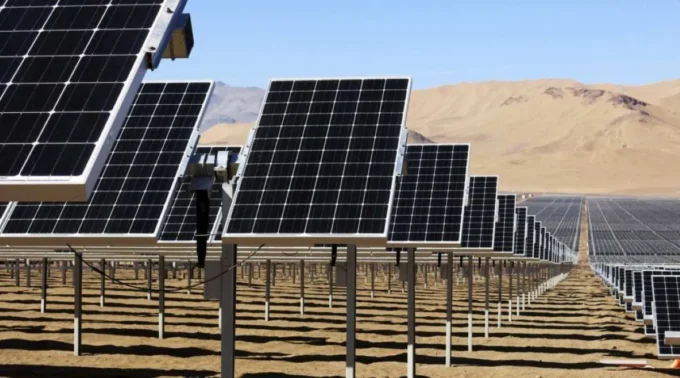
Additionally, Saudi Arabia’s commitment to Vision 2030 and gigaproject spending has broader implications for global markets. The kingdom’s investments in renewable energy, such as the $5 billion Green Hydrogen Project in NEOM, signal a shift toward sustainable development that aligns with global energy transition goals.
Challenges and Opportunities Ahead
While the Saudi government faces challenges such as balancing fiscal discipline with growth ambitions, its strategic approach to spending and diversification offers significant opportunities. The nation’s growing focus on technology, infrastructure, and tourism could position it as a leader in the Middle East’s economic transformation.
Moreover, initiatives like the Saudi Green Initiative and the Middle East Green Initiative underscore Riyadh’s commitment to combating climate change and enhancing its global influence. As these programs progress, Saudi Arabia’s role in shaping the region’s future economy will likely grow.
Conclusion
Saudi Arabia’s 2025 budget reflects a delicate balance between ambitious growth plans and prudent fiscal management. While the projected deficit underscores the challenges of economic transformation, it also highlights the kingdom’s determination to achieve Vision 2030’s long-term goals. As Crown Prince Mohammed bin Salman remarked, the reforms are already producing “the positive indicators of the Saudi economy.”
The road ahead will require sustained effort, innovative financing strategies, and adaptability to global economic trends. However, Saudi Arabia’s vision for the future remains bold and inspiring, setting the stage for transformative change in the years to come.
Ready to take your career to the next level? Join our dynamic courses: ACCA, HESI A2, ATI TEAS 7 and HESI EXIT !🌟 Dive into a world of opportunities and empower yourself for success. Explore more at Serrari Ed and start your exciting journey today! ✨
photo source: Google
By: Montel Kamau
Serrari Financial Analyst
27th November, 2024