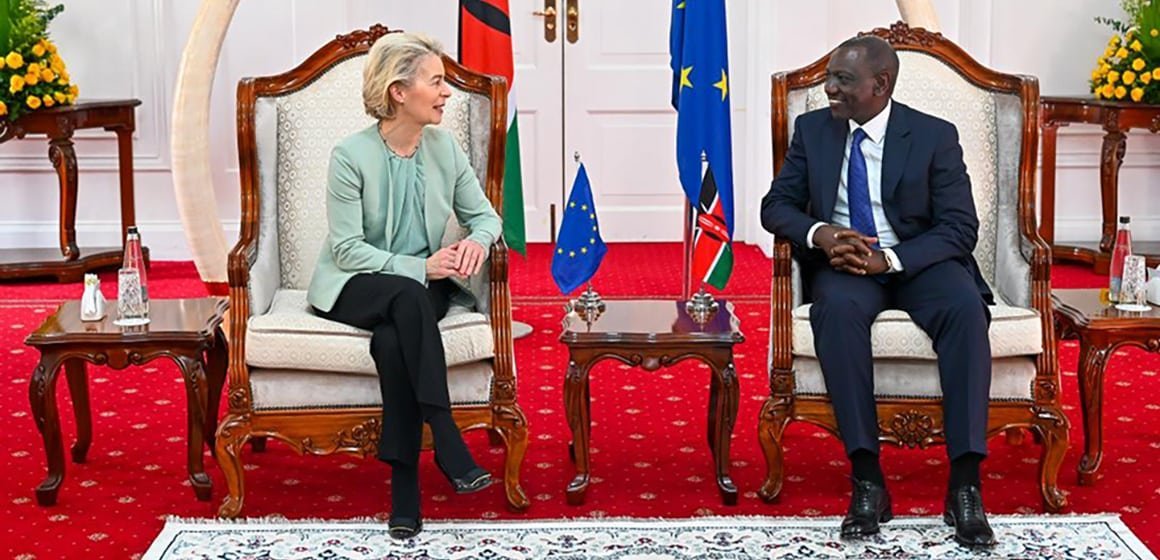
President William Ruto has established a high-level Economic Partnership Agreement (EPA) Council to oversee the implementation of Kenya’s landmark trade deal with the European Union (EU). This move marks a significant step in deepening economic ties between Kenya and the EU, creating new opportunities for trade, investment, and sustainable development.
Leadership of the EPA Council
The council will be co-chaired by Kenya’s Trade Cabinet Secretary Salim Mvurya and a representative from the European Commission. Other prominent members include:
- Prime Cabinet Secretary Musalia Mudavadi
- Treasury Cabinet Secretary John Mbadi
- Agriculture Cabinet Secretary Andrew Karanja
- Environment Cabinet Secretary Aden Duale
The council, as the highest decision-making body for the agreement, will spearhead its implementation by establishing key structures for trade facilitation, dispute resolution, and monitoring progress on sustainability objectives.
Responsibilities of the EPA Council
The council has a broad mandate aimed at fostering bilateral trade and economic growth. Its primary tasks include:
- Trade Facilitation: Simplifying customs procedures and removing barriers to trade between Kenya and the EU.
- Dispute Resolution: Establishing mechanisms to address conflicts related to trade or the interpretation of the agreement.
- Sustainable Development: Promoting environmental conservation and sustainable economic practices in line with global and regional frameworks.
- Strengthening Supply Chains: Enhancing logistics and connectivity to support businesses on both sides.
- Innovation in Trade Finance: Promoting new methods to support enterprises, particularly micro, small, and medium-sized enterprises (MSMEs).
- Green Goods and Services: Encouraging the trade of environmentally friendly products to drive the green transition.
Key Features of the EU-Kenya Economic Partnership
The EPA, signed in December 2023, grants Kenyan exporters duty-free and quota-free access to the EU’s €13 trillion market, comprising 27 member states. This agreement is part of a broader effort to enhance Kenya’s export competitiveness and integrate its economy into global value chains.
The EPA builds on the EU-Kenya Strategic Dialogue, an initiative launched to foster cooperation in trade, investment, climate resilience, and digital transformation.
A Gateway for Kenyan Businesses
The agreement is particularly beneficial to Kenyan businesses, offering:
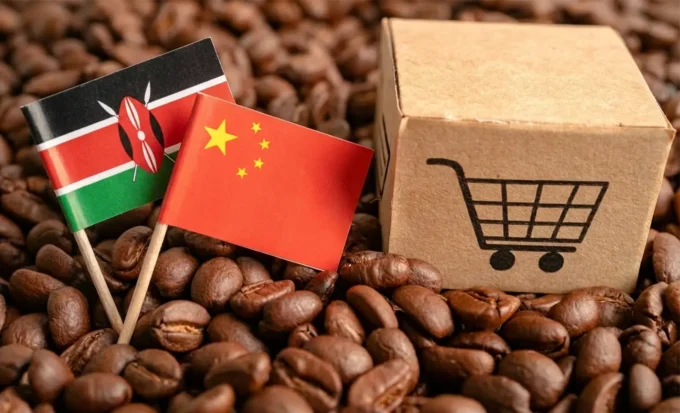
- Unrestricted Access to European Markets: Kenyan agricultural products, such as tea, coffee, and horticulture, will have expanded entry into EU markets without facing tariffs or quotas.
- Support for MSMEs: Small and medium-sized businesses in Kenya will gain better access to European buyers, trade financing, and technological innovations.
- Capacity Building: The EU will support Kenya in enhancing production standards, enabling local goods to meet international quality benchmarks.
In a joint statement issued in June 2024, both parties emphasized the EPA’s potential to create jobs, foster sustainable growth, and reduce trade imbalances.
Regional Context
The EPA aligns with the East African Community (EAC) Economic Partnership Agreement, finalized in 2014 but yet to be ratified by all member states. The Kenya-EU deal serves as a model for other EAC nations to adopt similar frameworks, potentially expanding regional access to European markets.
Kenya remains the only EAC country to fully ratify the EPA, showcasing its commitment to driving regional trade while maintaining its competitiveness in the global market.
Supporting Sustainable Development
The EPA also integrates environmental and social sustainability into its framework:
- Climate Resilience: The agreement supports Kenya’s green transition, promoting renewable energy and sustainable agriculture.
- Digital Economy: Cooperation under the agreement will also focus on enabling Kenya’s digital transformation, fostering e-commerce, and leveraging technology to boost productivity.
- Global Gateway Africa-Europe Investment Package: This EU initiative aims to finance infrastructure and development projects in Kenya, ensuring the country meets its commitments under the agreement.
Challenges and Opportunities
While the EPA provides numerous advantages, challenges remain:
- Adapting to EU Standards: Kenyan exporters must meet stringent EU regulations on quality, safety, and sustainability.
- Capacity Constraints: MSMEs may face hurdles in scaling up to fully exploit market access opportunities.
- Competition: Kenyan businesses will compete with established EU exporters for market share, necessitating innovation and efficiency improvements.
However, the potential rewards far outweigh these challenges. The agreement is expected to boost Kenya’s GDP, create thousands of jobs, and attract foreign direct investment (FDI).
The Bigger Picture
The EPA comes at a time when Kenya is aggressively positioning itself as a trade and investment hub in Africa. The country has signed numerous bilateral and multilateral agreements, including the African Continental Free Trade Area (AfCFTA), to enhance its global economic footprint.
With the EU being Kenya’s second-largest trading partner, the EPA strengthens a relationship that has already seen significant growth in exports such as cut flowers, tea, and coffee.
Looking Ahead
As the EPA council begins its work, the focus will shift to tangible outcomes. Key priorities include:
- Implementing projects under the Global Gateway initiative.
- Developing Kenya’s green economy.
- Expanding the digital and logistics infrastructure necessary for seamless trade.
Kenya’s proactive stance in securing the EPA demonstrates its ambition to drive economic growth through strategic partnerships. By ensuring robust implementation, the country can unlock unprecedented opportunities for its citizens while contributing to the broader objectives of the African Union’s Agenda 2063 and the UN’s 2030 Sustainable Development Goals.
Conclusion
The establishment of the EU-Kenya EPA Council marks a critical milestone in Kenya’s economic trajectory. Under President Ruto’s leadership, this initiative underscores a commitment to fostering sustainable trade, attracting investments, and creating a competitive environment for businesses.
As Kenya and the EU work together, the EPA has the potential to transform economic relations, setting a precedent for other African nations to leverage similar partnerships for development and prosperity.
Ready to take your career to the next level? Join our dynamic courses: ACCA, HESI A2, ATI TEAS 7 and HESI EXIT !🌟 Dive into a world of opportunities and empower yourself for success. Explore more at Serrari Ed and start your exciting journey today! ✨
Photo source: Google
By: Montel Kamau
Serrari Financial Analyst
26th November, 2024