Africa’s real estate market has reached a valuation of $233.51 billion in 2025 and is positioned for continued growth to $244.04 billion in 2026, with expectations to reach $347.31 billion by 2034 at a consistent compound annual growth rate of 4.51%. This growth trajectory reflects fundamental demographic trends, urbanization patterns, and improving macroeconomic conditions that are driving renewed investor interest in African property markets.
Build the future you deserve. Get started with our top-tier Online courses: ACCA, HESI A2, ATI TEAS 7, HESI EXIT, NCLEX-RN, NCLEX-PN, and Financial Literacy. Let Serrari Ed guide your path to success. Enroll today.
The African real estate market is being transformed by multiple powerful trends. Sub-Saharan Africa’s population is projected to grow by more than 400 million people by 2030, with an increasing proportion of this growth concentrated in urban centers. This demographic expansion creates fundamental demand for residential housing, commercial space, and industrial properties required to support growing urban populations.
The improvement in macroeconomic conditions across many African countries in 2024-2025 has reversed the unfavorable property market conditions that characterized 2022-2023. During that period, elevated interest rates, volatile currencies, sluggish economic growth, and risk aversion constrained real estate investment. The moderation of these headwinds has opened opportunities for fresh capital to flow into African property markets, supporting price appreciation and development activity.
Residential Property Leadership
The residential property segment has demonstrated dominant market positioning, accounting for 58.7% of the market in 2025. This dominance reflects both the fundamental need for housing in growing urban populations and investor preferences for residential property as a relatively defensive investment during periods of economic uncertainty.
Within the residential segment, a critical subdivision exists between luxury residential properties (targeting high-income earners and foreign investors) and affordable residential properties (targeting middle and lower-income populations). The strongest investor appetite currently exists for affordable residential properties, as developers and investors recognize the demographic imperative for housing vast numbers of urbanizing low-income populations.
This shift toward affordable residential development reflects both humanitarian considerations and commercial logic. The mismatch between supply of housing and growing demand creates rental income opportunities for property investors while addressing critical housing shortages. Government initiatives supporting affordable housing development through tax incentives and regulatory frameworks have reinforced this trend.
Commercial Real Estate Expansion
While residential property dominates in market share, commercial real estate is expanding at a faster pace with a projected CAGR of 8.1% over the 2025-2034 forecast period, compared to residential real estate’s more modest growth rate.
This faster commercial real estate growth reflects the expansion of office space needs as African businesses grow, the development of modern retail infrastructure to serve growing middle classes, and the expansion of logistics and warehouse space required for e-commerce growth. Major African cities are experiencing rapid commercialization as consumer spending expands and international businesses establish regional headquarters and distribution centers.
The commercial real estate market is bifurcated between prime properties in central business districts that command premium valuations and secondary properties in emerging commercial areas that offer superior returns for sophisticated investors willing to accept development risk.
Key Investment Cities and Hotspots
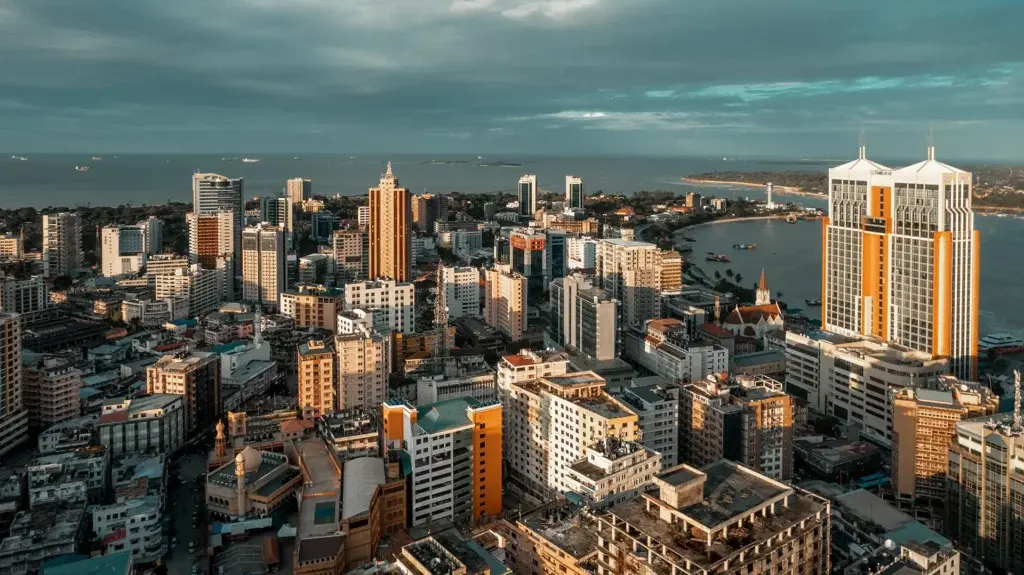
The African real estate investment landscape is characterized by geographic concentration in leading cities that offer combinations of economic dynamism, reliable governance, and developed financial infrastructure. Key investment cities including Nairobi, Lagos, Accra, Kigali, and Johannesburg have emerged as leading real estate destinations.
Nairobi, Kenya stands as East Africa’s preeminent real estate market, with the city’s role as the region’s financial center and professional services hub driving sustained demand for office space, residential property, and hospitality facilities. Kenya’s real estate market benefits from GDP growth projected at 5.2% annually through 2026, providing strong economic fundamentals supporting property demand. The Nairobi Metropolitan Area’s retail space supply is expected to increase to 8.8 million square feet in 2025, reflecting significant new commercial development.
Lagos, Nigeria represents West Africa’s largest real estate market, with Africa’s most populous metropolitan area creating substantial property demand. Lagos’s role as Nigeria’s business center despite not being the capital provides concentrated economic activity driving property appreciation and rental income. The city’s challenging infrastructure and high costs of living create opportunities for developers and investors willing to develop premium properties serving high-income populations.
Johannesburg, South Africa remains Africa’s largest and most developed real estate market by financial metrics. The city’s position as the center of South African business and finance, combined with developed financial infrastructure and relative political stability, creates conditions supporting robust commercial and residential property markets.
Interest Rate and Liquidity Impacts
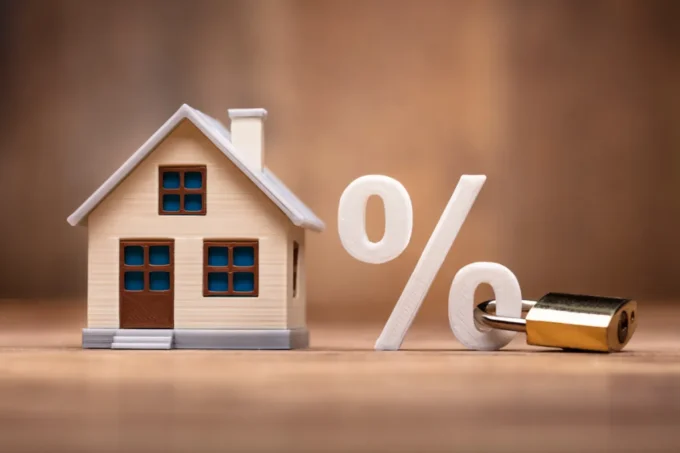
Macroeconomic conditions affecting African real estate have improved substantially in 2024-2025 compared to the previous tightening cycle. The moderation of interest rates by central banks across Africa has improved mortgage availability and affordability for property buyers, supporting demand for residential property.
Lower interest rates increase property demand by reducing mortgage payments, allowing buyers to afford higher prices for given income levels. This dynamic has particularly benefited the residential property market, as homebuyers benefit directly from lower mortgage costs. However, lower rates also reduce the returns available on bonds and savings accounts, making property investment more attractive on a relative basis to conservative investors seeking yield.
The Quality Turn and Infrastructure Investment
A defining characteristic of the current African real estate cycle is the increasing focus on property quality and infrastructure availability. South Africa’s real estate market outlook reflects this quality emphasis, with investors showing preferences for properties located in well-serviced areas with reliable utilities, security, and transportation connectivity.
One decision can change your entire career. Take that step with our Online courses in ACCA, HESI A2, ATI TEAS 7, HESI EXIT, NCLEX-RN, NCLEX-PN, and Financial Literacy. Join Serrari Ed and start building your brighter future today.
This quality orientation requires developers to invest substantially in complementary infrastructure including power generation, water supply, security systems, and transportation. While these investments increase development costs, they support property appreciation and rental income by creating superior properties that command premium pricing relative to poorly-serviced properties.
Foreign Investment Trends
A significant development supporting African real estate market growth is the resurgence of foreign investment interest. After years of capital constraints, many international investors have renewed focus on African real estate opportunities, attracted by valuation levels that compensate for risk and by improving macroeconomic conditions.
Foreign investors bring both capital and expertise to African real estate markets. International real estate operators establish professional management standards, introduce global best practices in design and operations, and provide capital for large-scale development projects. The presence of foreign investors has professionalized the African real estate industry while supporting market development.
Regulatory and Policy Frameworks
The development of African real estate markets depends substantially on supportive regulatory frameworks that facilitate property transactions, protect investor rights, and provide transparent pricing. Several African countries have strengthened their real estate regulatory frameworks in recent years through reforms including improved property registration systems, transparent transaction procedures, and dispute resolution mechanisms.
South Africa’s real estate market benefits from well-developed legal frameworks protecting property rights and providing transparent transaction procedures. Kenya and Nigeria have implemented property registration reforms improving the security of property ownership and the speed of transaction completion. These regulatory improvements reduce transaction costs and investment risk, facilitating market development.
Challenges and Limitations
African real estate markets continue to face important challenges limiting development. Infrastructure constraints including unreliable power supply, inadequate transportation networks, and limited water availability in some locations create impediments to property development and operation. Political instability in certain countries creates investment uncertainty that constrains capital flows.
The concentration of property investment in leading cities creates geographic imbalances where property prices in major centers have appreciated rapidly while property in smaller cities has stagnated. This geographic concentration reflects the economics of property development and human migration patterns, but creates equity concerns regarding regional development.
Sustainable Real Estate Development and Green Building
An emerging trend in African real estate is the integration of sustainability principles into property development. Green buildings with improved energy efficiency, sustainable water management, and reduced environmental impact are increasingly being developed across African cities. This trend reflects both environmental consciousness and the economic benefits that efficient buildings provide through reduced operating costs.
The development of green building standards and certification systems is creating frameworks for sustainable real estate development. Buildings meeting these standards can command premium valuations and rental rates, creating incentives for developers to invest in sustainable features.
Outlook for African Real Estate
The African real estate market is positioned for continued expansion through the 2025-2034 period as urbanization continues, economies grow, and political stability improves. The expected 4.51% CAGR growth rate is modest compared to some Asian emerging markets but represents solid performance for continental-scale real estate markets.
The strongest opportunities should continue to exist in the residential segment, particularly affordable housing serving growing urban populations, and in commercial real estate serving expanding business sectors. Industrial property should also attract investment as e-commerce expansion and manufacturing relocation drive logistics development.
Conclusion: A Market in Recovery
African real estate markets have transitioned from the challenging conditions of 2022-2023 to a more favorable environment in 2024-2025. Improved macroeconomic conditions, renewed foreign investment interest, and the fundamental demographic drivers of property demand have created opportunities for sustained real estate development. As urbanization accelerates and African economies grow, the importance of real estate as an asset class supporting wealth creation and economic development will continue to expand throughout the continent.
Ready to take your career to the next level? Join our Online courses: ACCA, HESI A2, ATI TEAS 7 , HESI EXIT , NCLEX-RN and NCLEX-PN, Financial Literacy! 🌟 Dive into a world of opportunities and empower yourself for success. Explore more at Serrari Ed and start your exciting journey today! ✨
Track GDP, Inflation and Central Bank rates for top African markets with Serrari’s comparator tool.
See today’s Treasury bonds and Money market funds movement across financial service providers in Kenya, using Serrari’s comparator tools.
Photo Source: Google
By: Montel Kamau
Serrari Financial Analyst
6th March, 2026