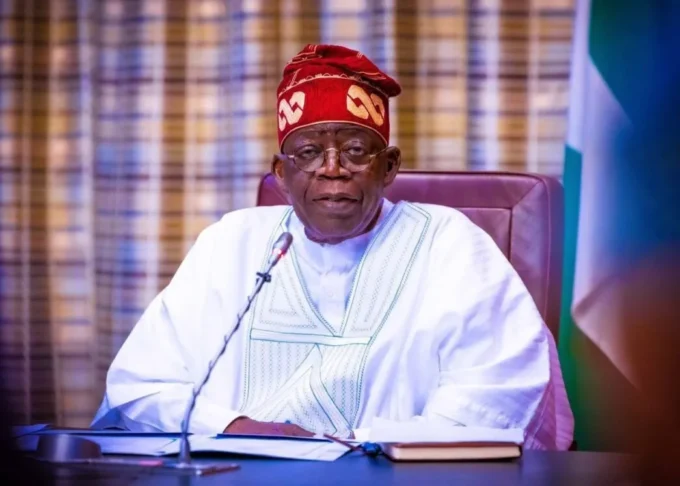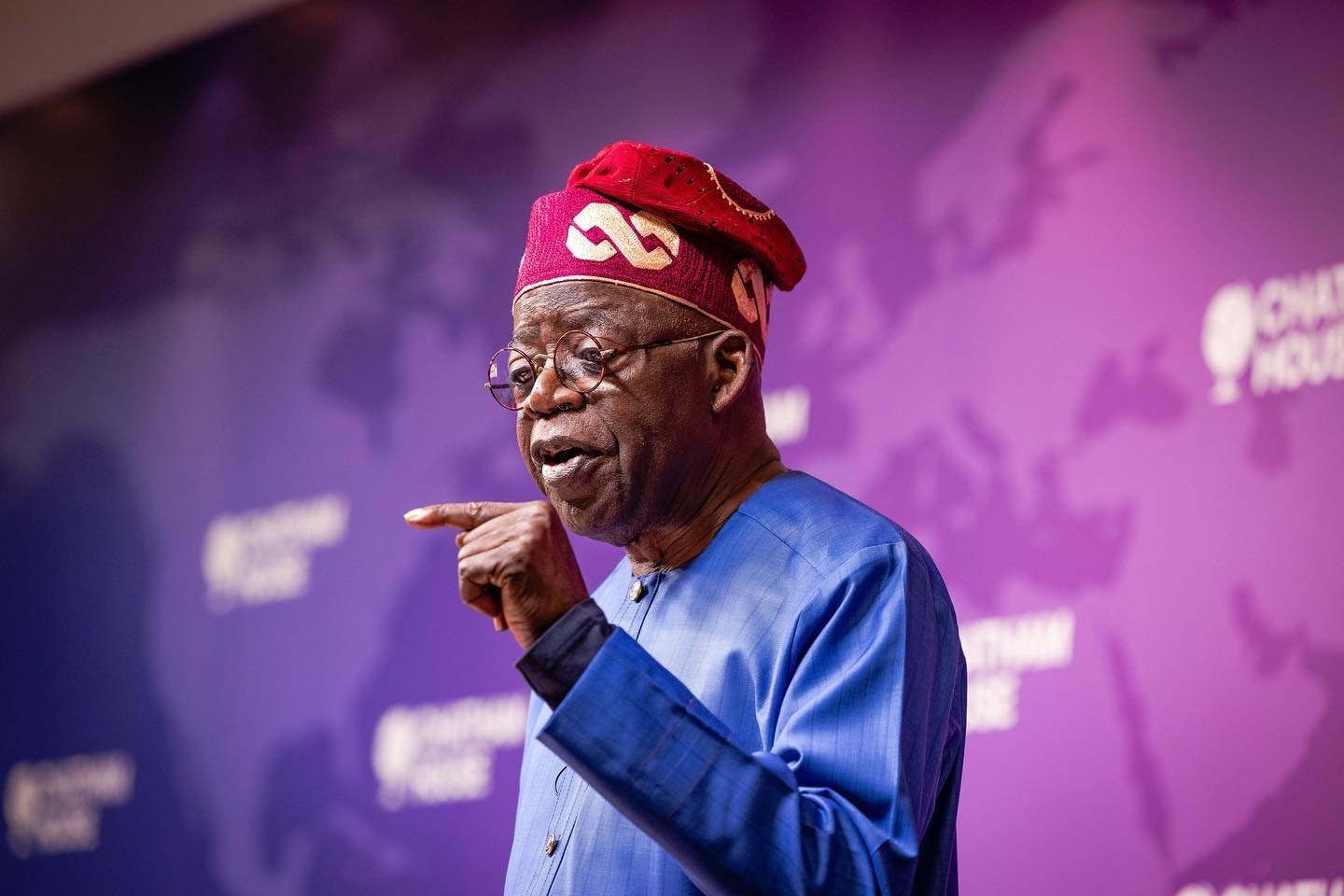
President Bola Tinubu’s determination to reshape Nigeria’s economic trajectory has come to the forefront with the inauguration of the Presidential Committee on Fiscal Policy and Tax Reforms. The committee, led by Mr. Taiwo Oyedele, has a mandate that reflects President Tinubu’s commitment to steer Nigeria away from its reliance on foreign borrowing and toward sustainable revenue generation.
Addressing the cycle of borrowing that has burdened the nation’s finances, President Tinubu emphasized the need to optimize revenue generation and improve fiscal management. The creation of the committee underscores his commitment to addressing challenges in tax law reform, fiscal policy coordination, and revenue administration.
One of the central objectives of President Tinubu’s plan is to achieve an 18% Tax-to-GDP ratio from the current 10.8% within the next three years. Acknowledging Nigeria’s challenges in ease of tax payment and the Tax-to-GDP ratio, he stressed the importance of a transformed tax system that can support sustainable development while providing essential social services to citizens.
The committee’s ambitious timeline underscores the urgency for prompt action. With a schedule to deliver quick reforms within 30 days and recommend critical reform measures within six months, the committee’s mandate is set to be fully implemented within a year. The diverse composition of the committee, featuring accomplished individuals from various sectors, demonstrates President Tinubu’s dedication to driving effective change.
Economists and experts have commended President Tinubu’s proactive approach. They recognize the significance of a comprehensive strategy that expands the tax base, enhances administration, and encourages compliance. This approach aligns with global best practices that emphasize sustainable revenue for socio-economic development.
President Tinubu’s commitment has also received praise from the International Monetary Fund (IMF), which underscores the importance of increasing the country’s revenue base. Stakeholders stress that focusing on revenue generation and fiscal management is a more sustainable strategy than relying on borrowing. The establishment of the Presidential Committee on Fiscal Policy and Tax Reforms is seen as a significant step toward achieving these goals.
To make the reforms more inclusive and forward-thinking, President Tinubu’s decision to include a university undergraduate, Orire Agbaje, in the committee has been hailed as innovative. Agbaje’s fresh perspective and youthful energy not only contribute to inclusive decision-making but also inspire young Nigerians to participate in shaping policy decisions that impact their future.
As Nigeria’s public debt continues to rise, President Tinubu’s commitment to fiscal reforms is a beacon of hope. The reforms aim to stimulate economic growth, attract foreign direct investment, and gradually reduce reliance on external borrowing. The establishment of the Presidential Committee on Fiscal Policy and Tax Reforms signifies a significant stride towards these transformative goals.
President Tinubu’s push for tax reform, coupled with enhanced fiscal management and revenue generation, is poised to reshape Nigeria’s economic landscape. The success of these comprehensive reforms holds the key to reducing borrowing, stimulating growth, and ultimately achieving self-sustainability in the country’s finances.
By: Montel Kamau
Serrari Financial Analyst
August 11, 2023
photo source Google