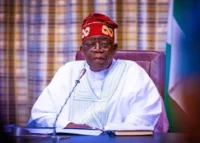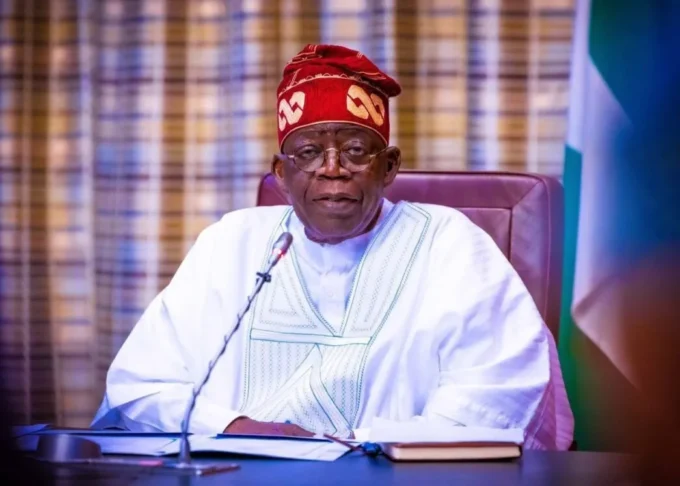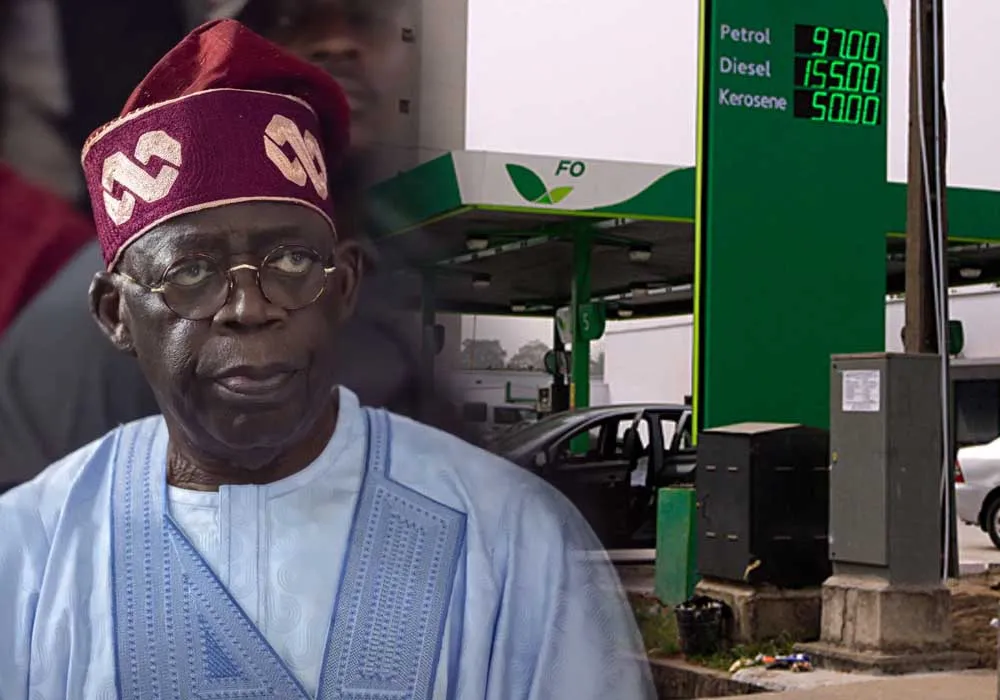
Nigeria’s President Bola Tinubu defended the nation’s decision to remove fuel subsidies in a recent national broadcast. The move, which has faced criticism due to its impact on the economy, has already saved over $1.32 billion in just two months.
In an evening address to the nation, President Tinubu acknowledged the economic hardships that followed the removal of the long-standing petrol subsidy. However, he strongly emphasized that Nigeria would save “trillions of naira” annually by scrapping the subsidy, allowing the country to implement much-needed reforms to boost the economy.
Tinubu argued that the fuel subsidy primarily benefited a small group of elites and diverting these funds would be channeled towards building essential infrastructure and providing low-interest loans to farmers, small businesses, and students. These measures are aimed at creating employment opportunities and fostering economic growth.
The president’s decision to eliminate the subsidy faced pressure from labor unions as prices for essential goods rose. Despite the criticism, Tinubu remained steadfast in his justification, stating that the savings would be invested in projects that benefit a broader spectrum of Nigerians.
“We have saved over a trillion naira that would have been squandered on the unproductive fuel subsidy, which only benefited smugglers and fraudsters,” he disclosed during a television interview.
Tinubu also reassured the nation that the government would closely monitor petrol prices and intervene as necessary to mitigate adverse effects. He expressed confidence that Nigeria was on the path to a brighter future.
“I assure you, my fellow countrymen and women, that we are exiting the darkness to enter a new and glorious dawn,” he declared confidently.
The World Bank has predicted that Nigeria could save as much as 3.9 trillion naira this year alone due to the subsidy removal, which may positively impact the nation’s financial outlook. However, the institution also cautioned about potential short-term inflationary pressures.
In response to mounting concerns, the Nigerian government has announced several initiatives to alleviate the immediate effects of the subsidy removal. These include distributing grains to families, postponing tuition increases in public schools, providing buses to reduce student transportation costs, and creating an infrastructure development fund using subsidy savings.
President Tinubu’s bold stance on removing the fuel subsidy is viewed as a step towards achieving economic fairness and ensuring that the nation’s resources are utilized to benefit the majority of Nigerians. While the path ahead may present challenges, the president remains committed to fostering sustainable growth and prosperity for the nation.
As the nation continues to navigate through this economic transformation, all eyes will be on the impact of these initiatives and the government’s ability to deliver on its promises to improve the lives of its citizens.
By: Montel Kamau Serrari Financial Analyst 1st August, 2023
photo source Google