In a sweeping proposal, President William Ruto has introduced a plan to require every Kenyan household to allocate 2.75 percent of its income towards a new social healthcare fund. This initiative aims to revamp the healthcare system and provide a stable source of funding for the government. However, it will impact the monthly incomes of individuals earning Sh50,000 or more.
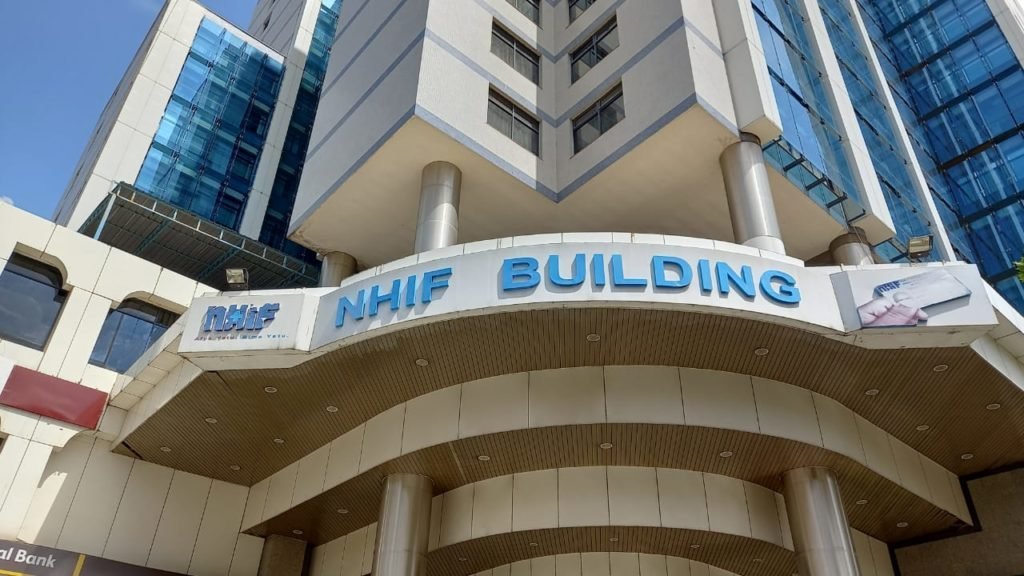
Under the proposed Social Health Insurance Bill, 2023, the current National Health Insurance Fund (NHIF) will be replaced by a mandatory social insurance scheme, ensuring all Kenyan citizens are members of this program to access government healthcare services.
To finance this healthcare overhaul, the government plans to shift from the current NHIF contribution model, which ranges from Sh150 to Sh1,700, to a fixed rate of 2.75 percent of gross monthly earnings.
These adjustments will affect workers’ take-home pay, adding to their existing financial commitments such as housing taxes and increased contributions to the National Social Security Fund (NSSF).
For instance, those earning Sh50,000 will see approximately Sh10,264 or 20.5 percent of their income deducted, up from Sh8,460. Similarly, individuals with a monthly income of Sh100,000 will contribute Sh27,389 or 27.4 percent, with higher-income earners facing more substantial deductions.
These changes reflect the financial sacrifices workers will make to support President Ruto’s vision of universal health coverage (UHC), affordable housing, enhanced pension plans, and other governmental priorities.
The Social Health Insurance Bill, 2023 outlines a new healthcare structure, consisting of three separate funds for preventive and primary healthcare, primary referrals, and chronic disease treatment. These funds will be administered by a single board and secretariat, with contributions set at 2.75 percent of household income, applicable to both formal and informal sectors.
Hussein Mohammed, State House spokesperson, underscored that these funds are pivotal to President Ruto’s commitment to delivering on the UHC promise, as outlined in the Kenya Kwanza coalition’s manifesto. This includes employing and compensating community health promoters and integrating preventive and promotive services.
Mr. Mohammed elaborated that the Primary Health Care Bill 2023 establishes a framework for delivering and managing primary healthcare services, ensuring accessibility without incurring costs at facilities like dispensaries and health centers.
To facilitate the plan’s success, the government will enact regulations mandating membership in the new healthcare system, aiming to include the 80 percent of Kenyans in the informal sector. Non-contributors will be denied access to key state services, similar to the Kenya Revenue Authority (KRA) personal identification numbers (PINs). This means they will be unable to complete transactions like land title registration, development plan approvals, vehicle transfers, and accessing the Hustler Fund.
While these changes promise to breathe new life into UHC, the government must address dormant membership issues that have plagued NHIF, leading to difficulties in premium collection and payment defaults to healthcare providers.
Higher healthcare contributions, coupled with the new housing levy, a higher PAYE band of 35 percent, and NSSF contributions, will require individuals earning over Sh200,000 per month to allocate at least 30.8 percent of their earnings, up from the current 27 percent.
In summary, President Ruto’s proposal represents a substantial shift in Kenya’s healthcare landscape and financial obligations. The National Assembly Leader of Majority, Kimani Ichung’wah, is expected to present the bill for parliamentary debate and passage into law. This legislative effort aligns with other crucial bills, including the Primary Healthcare Bill, 2023, Digital Health Bill, 2023, and the Facility Improvement Financing Bill, 2023.
Photo Source: Google
By: Montel Kamau
Serrari Financial Analyst
2nd September, 2023