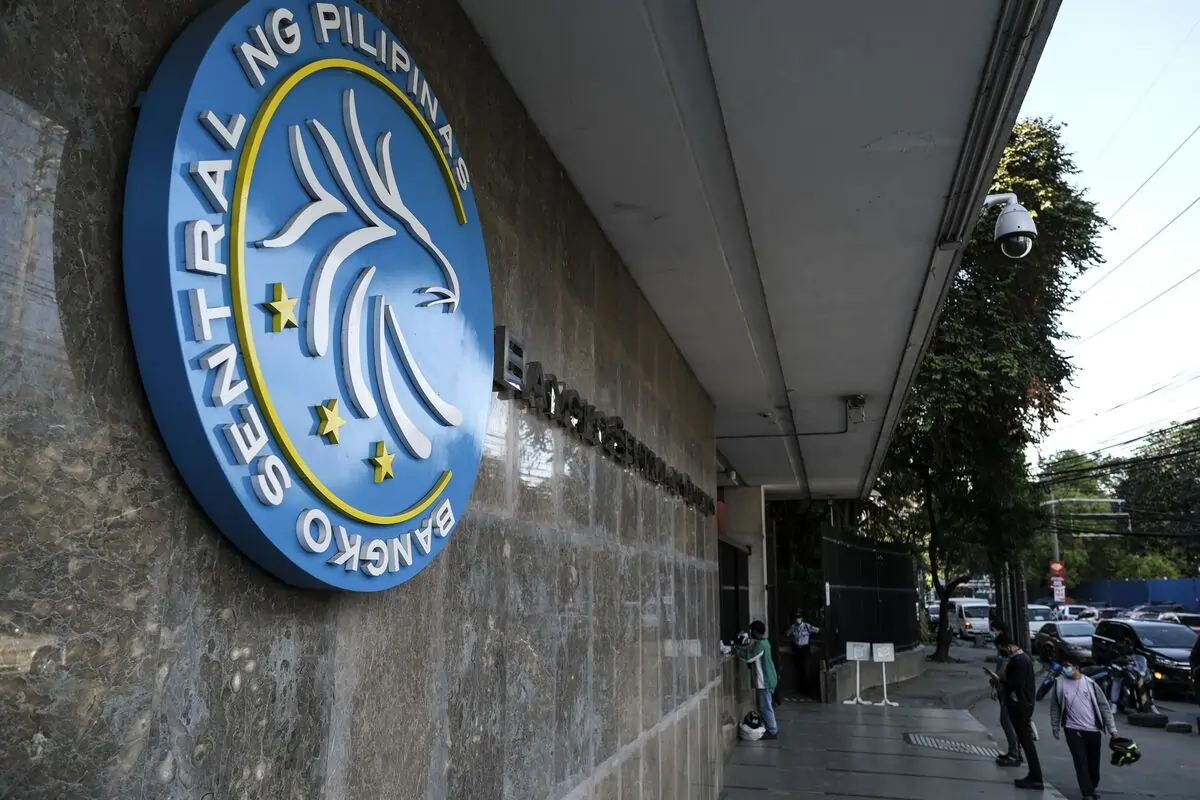
The Bangko Sentral ng Pilipinas (BSP), the central bank of the Philippines, took a significant step on Thursday, August 15, 2024, by cutting its key interest rate for the first time in nearly four years. This move comes amid ongoing adjustments in the country’s economic landscape as inflation shows signs of easing, and the central bank aims to support economic growth. This decision marks a pivotal moment for the BSP as it navigates the complex interplay of inflation control, economic growth, and monetary policy in the face of global uncertainties.
A Bold Move in a Shifting Economic Landscape
The BSP’s decision to reduce its target reverse repurchase rate by 25 basis points to 6.25% marks its first rate cut since November 2020. This move signals a shift from the central bank’s previous stance, which had maintained steady policy settings for six consecutive meetings since November 2023. The BSP had previously raised rates by a total of 450 basis points between May 2022 and October 2023 in a concerted effort to curb rising inflationary pressures.
BSP Governor Eli Remolona emphasized that the decision to cut rates was influenced by the expectation that inflation would return to the central bank’s target range of 2% to 4% for the remainder of the year, despite a recent uptick in consumer prices to 4.4% in July. “With inflation on a target-consistent path, the current macroeconomic outlook supports a calibrated shift to a less restrictive monetary policy stance,” Remolona stated.
The Inflationary Context and Economic Outlook
The backdrop to the BSP’s rate cut is the broader context of inflationary pressures and economic performance in the Philippines. Inflation had been a significant concern for the BSP, with the central bank taking aggressive measures to rein in rising prices over the past two years. The recent rise in inflation to 4.4% in July, slightly above the upper limit of the BSP’s target range, was driven by a combination of factors including higher food and fuel prices.
However, the BSP’s baseline inflation forecasts suggest that the worst may be over. The central bank slightly raised its inflation forecast for 2024 to 3.4% from 3.3% but trimmed its projections for 2025 to 3.1% from 3.2%. For 2026, inflation is expected to average 3.2%, well within the BSP’s target range. These forecasts indicate a belief that inflationary pressures will moderate, allowing the central bank to adopt a more accommodative monetary policy stance.
The decision to cut rates also comes on the heels of data showing that the Philippine economy grew by 6.3% in the second quarter of 2024 compared to the same period the previous year. This growth was primarily driven by increased government spending and investment, which helped offset a decline in consumer spending. Consumer spending grew by 4.6% in the second quarter, a significant slowdown from previous quarters, and even declined by 0.1% on a quarterly basis, reflecting the impact of inflation and high interest rates on household consumption.
Diverging Opinions Among Economists
The BSP’s decision to cut rates has sparked a range of reactions among economists and financial analysts. In a poll conducted by Reuters, economists were divided on the central bank’s course of action, with 13 out of 24 forecasting that the key interest rate would be held steady at 6.50%, while the remaining 11 expected a 25 basis point cut.
ING Bank described the BSP’s rate cut as “a brave call,” noting that the BSP is one of the first central banks in Asia, apart from China, to lower interest rates. The move also comes ahead of anticipated rate cuts by the U.S. Federal Reserve, highlighting the BSP’s proactive approach to managing domestic economic conditions.
Nicholas Mapa, an economist at Metropolitan Bank and Trust Co. in Manila, expressed optimism about the potential for further rate cuts in 2024. “We expect two more cuts in 2024,” Mapa stated on the social media platform X (formerly known as Twitter). He suggested that the BSP could continue to ease monetary policy in response to improving inflation dynamics and the need to support economic growth.
On the other hand, Robert Dan Roces, chief economist at Security Bank in Manila, pointed out that the recent strength of the Philippine peso provides the BSP with additional room to maneuver on monetary policy without risking significant currency depreciation. The peso’s stability in the foreign exchange market is a crucial factor that allows the BSP to consider further easing without exacerbating inflationary pressures through a weaker currency.
The Broader Implications for the Philippine Economy
The BSP’s decision to cut rates and signal further easing has broader implications for the Philippine economy. Lower interest rates are expected to reduce borrowing costs for businesses and consumers, which could help stimulate economic activity, particularly in sectors that have been most affected by the high-interest rate environment. This includes the real estate and construction sectors, which have faced challenges due to the higher cost of financing.
Moreover, the rate cut could have positive effects on the stock market, as lower interest rates tend to boost investor sentiment and increase the attractiveness of equities relative to fixed-income investments. The BSP’s move is likely to be welcomed by investors who have been concerned about the impact of tight monetary policy on corporate earnings and economic growth.
However, there are also risks associated with the BSP’s decision to cut rates. While inflation is expected to moderate, there is always the possibility that external factors, such as rising global oil prices or supply chain disruptions, could lead to renewed inflationary pressures. The central bank will need to carefully monitor these developments and be prepared to adjust its policy stance if necessary.
The Global Context: Comparisons with Other Central Banks
The BSP’s decision to cut rates also comes at a time when central banks around the world are grappling with similar challenges. The U.S. Federal Reserve, for example, has been gradually tightening monetary policy in response to rising inflation, but there are growing expectations that the Fed may pause or even reverse course if economic conditions warrant it.
In Asia, the People’s Bank of China (PBOC) has also been easing monetary policy to support economic growth amid concerns about a slowdown in the Chinese economy. The PBOC’s actions have provided some relief to global markets, but there are still uncertainties about the trajectory of the Chinese economy and its impact on the global economy.
The BSP’s decision to cut rates ahead of other central banks in the region reflects its confidence in the domestic economic outlook and its commitment to supporting economic growth. However, the central bank will need to remain vigilant in the face of global uncertainties and be ready to adjust its policy as needed.
Looking Ahead: What to Expect from the BSP
As the Philippine central bank navigates the complexities of the current economic environment, there are several key factors that will influence its future policy decisions. The BSP has already indicated that another rate cut could come as early as October 17 or December 19, the last two monetary policy-setting meetings of the year. The timing and magnitude of these potential rate cuts will depend on the trajectory of inflation, economic growth, and external factors such as global oil prices and exchange rate movements.
Governor Remolona has emphasized the importance of a “calibrated” approach to monetary policy, suggesting that the BSP will continue to be data-driven and responsive to changing economic conditions. The central bank’s ability to balance the need for economic stimulus with the goal of maintaining price stability will be critical in determining the success of its policy actions.
In the medium term, the BSP will also need to consider the implications of its monetary policy on the broader financial system. Lower interest rates can boost economic activity, but they can also lead to increased borrowing and higher levels of debt. The central bank will need to monitor credit growth and financial stability indicators closely to ensure that its policy actions do not create unintended risks for the financial system.
Conclusion: A Pivotal Moment for Philippine Monetary Policy
The BSP’s decision to cut interest rates for the first time in nearly four years marks a pivotal moment for Philippine monetary policy. As the central bank seeks to support economic growth amid easing inflation, its actions will have significant implications for businesses, consumers, and investors in the Philippines.
The central bank’s proactive approach to managing inflation and supporting the economy reflects its commitment to maintaining stability and promoting sustainable growth. However, the BSP will need to navigate a complex and uncertain global economic environment, and its ability to respond effectively to changing conditions will be crucial in determining the success of its policy actions.
As the year progresses, all eyes will be on the BSP’s next moves, with potential further rate cuts on the horizon. The central bank’s decisions will be closely watched by economists, investors, and policymakers, both in the Philippines and abroad, as they seek to understand the implications for the broader economy and the global financial system.
photo source: Google
By: Montel Kamau
Serrari Financial Analyst
16th August, 2024