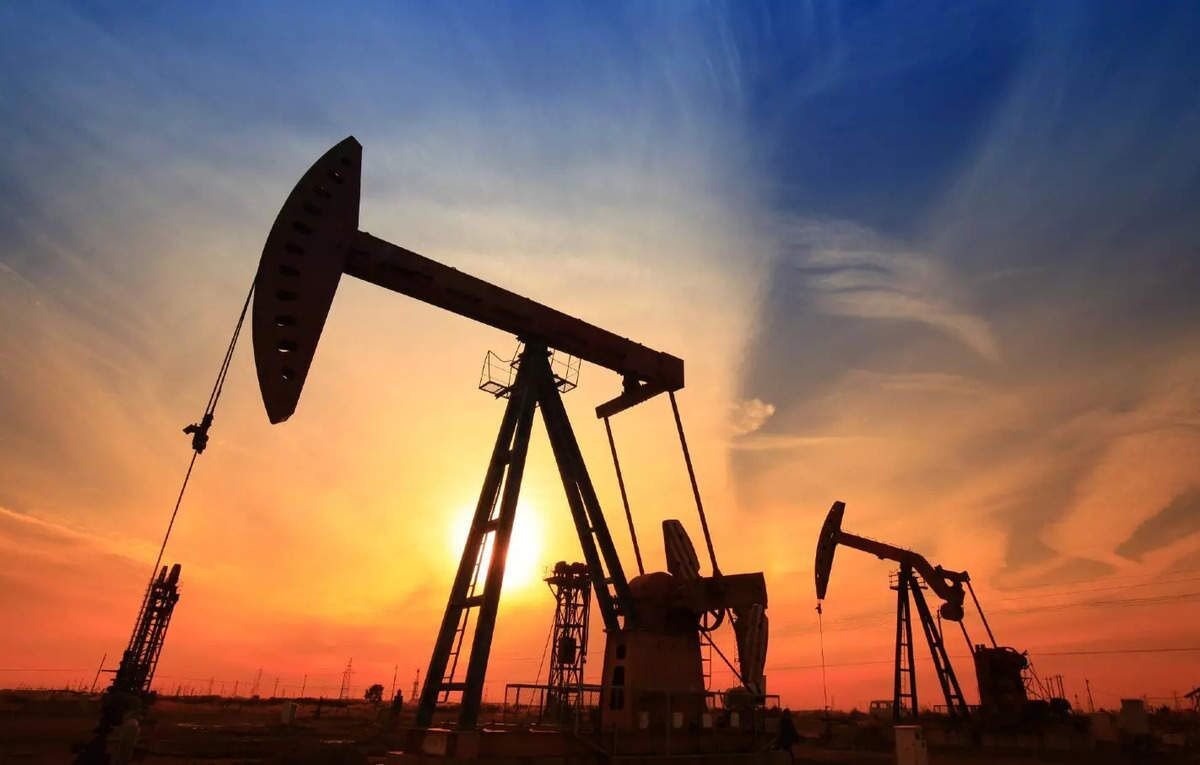
In recent discussions, OPEC and the International Energy Agency (IEA) have addressed crucial issues surrounding oil security and future demand projections. The IEA, renowned for advising industrialized nations, emphasized the enduring significance of oil in the global energy landscape. OPEC responded positively, underlining the pivotal role oil plays in maintaining global energy stability.
Despite this alignment, disparities emerged regarding future demand forecasts. The IEA foresees a peak in oil demand by 2030, contrasting with OPEC’s projections extending to 2045 without a peak in sight.
Acknowledging a gradual decline in global oil reliance, the IEA cautioned against the potential economic impacts of supply disruptions. It also highlighted challenges faced by oil companies in navigating demand uncertainties, potentially leading to hesitant investment decisions.
OPEC echoed concerns over demand uncertainties but criticized the IEA’s stance against new investments in oil and gas, citing the exacerbation of prevailing uncertainties.
The divergence in perspectives signifies a departure from previous trends, with tensions between OPEC and the IEA escalating to the point where OPEC+ resolved in 2022 to exclude IEA data from their market assessments.
The imperative for transitioning away from fossil fuels gained momentum at the recent COP28 climate summit in Dubai, with nearly 200 nations endorsing a shift towards cleaner energy sources. While OPEC reaffirms its commitment to oil market stability, the IEA advocates for investments in clean energy to bolster energy security.
As discussions between OPEC and the IEA continue, their alignment—or lack thereof—will shape the trajectory of global energy transitions in the foreseeable future.
photo source: Google
By: Montel Kamau
Serrari Financial Analyst
14th March, 2024