Introduction
Nissan Motor Co., once a global frontrunner in electric vehicles with its Leaf model, finds itself at a critical juncture. The Yokohama-based automaker recorded a ¥670.9 billion (US $4.5 billion) loss for the fiscal year ended March 31, 2025, marking its worst financial performance in recent memory (AP News). With mounting headwinds from U.S. trade tariffs, shrinking profit margins, and a faltering product lineup, Nissan has unveiled an ambitious recovery blueprint. At the heart of this plan lies its signature e-Power hybrid technology—a novel take on electrification that promises the benefits of an EV without the need to plug in.
As Nissan CEO Ivan Espinosa and CTO Eiichi Akashi push the company toward stabilizing its finances, market observers are watching the rollout of e-Power models across Europe, Japan, and, for the first time, North America. Can this hybrid innovation renew consumer enthusiasm and restore Nissan’s battered balance sheet? An in-depth look at the e-Power strategy, its competitive positioning, and the broader industry context offers insight into whether Nissan can regain its footing.
The Promise of e-Power: Reinventing the Hybrid
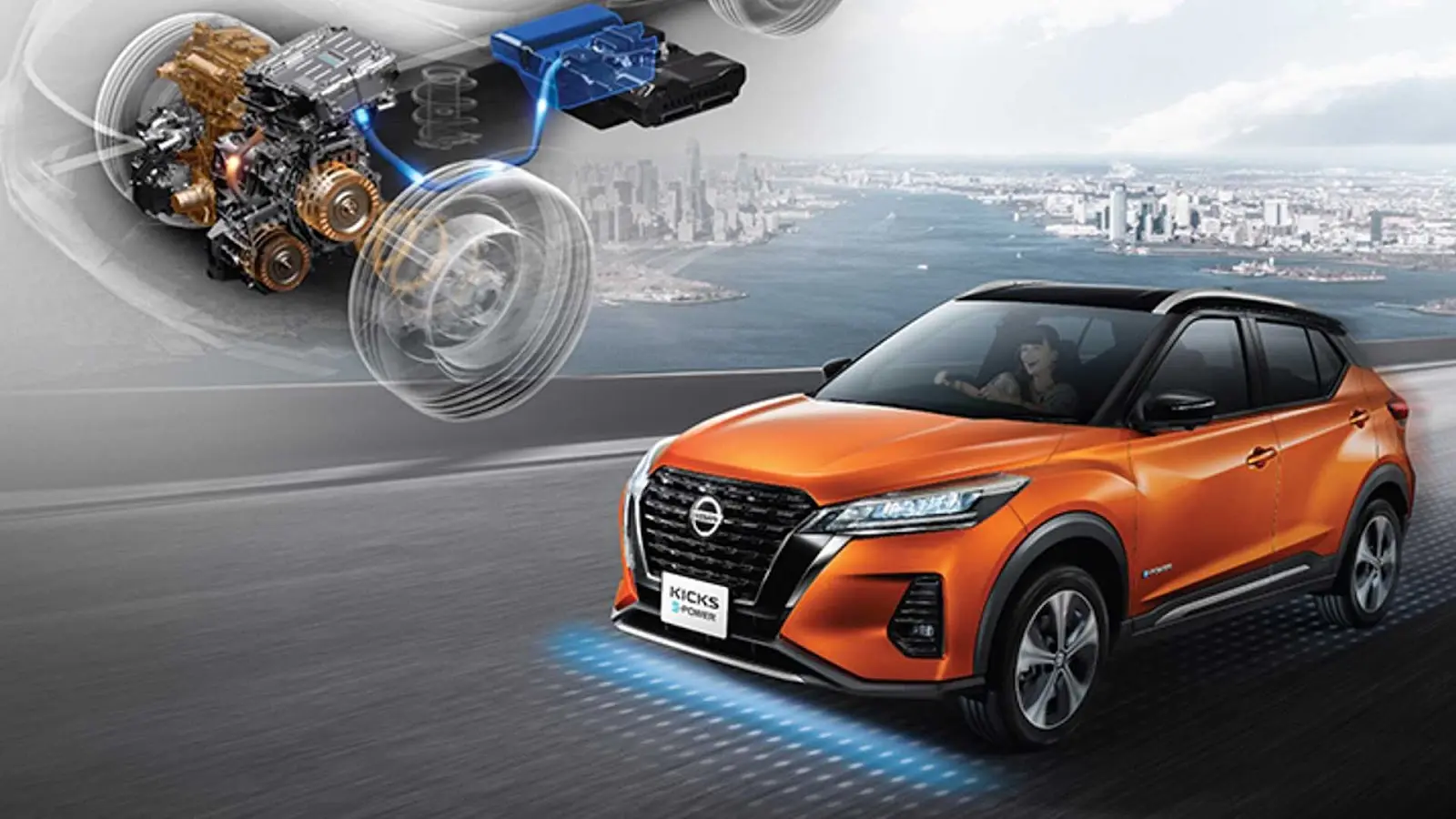
e-Power is Nissan’s proprietary series-hybrid system that integrates an electric motor with a gasoline engine acting solely as a generator. Unlike conventional hybrids—such as the Toyota Prius—which alternate between engine drive and electric drive modes, e-Power vehicles power the wheels entirely with electricity while the petrol engine maintains the battery’s state of charge (WTOP News). This architecture delivers EV-like quietness, instant torque, and a seamless driving experience without dependence on charging infrastructure.
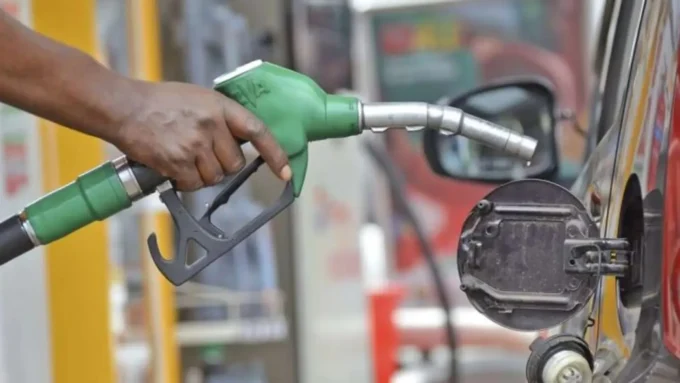
Critically, e-Power owners refuel at any standard gas station and never face “range-anxiety” associated with pure battery-electric vehicles. “Our customers want the benefits of electric driving without the hassles of plugging in,” explained Eiichi Akashi during a recent test drive event at Nissan’s Grandrive course near Tokyo. Furthermore, the series-hybrid setup allows for optimization of the petrol engine’s operation, improving fuel efficiency and reducing emissions compared to traditional internal-combustion models.
Financial Headwinds: ¥670.9 Billion Loss and Tariff Pressures
In early May, Nissan disclosed a staggering ¥670.9 billion net loss for FY2024, reversing a prior-year profit of ¥426.6 billion. The shortfall was driven by sagging global sales, supply-chain cost escalation, and a ¥676 billion red ink in the March quarter alone. U.S. market performance, historically a cash cow for Japanese automakers, suffered under President Donald Trump’s 25 percent tariffs on imported vehicles and auto parts, which have inflated costs by up to US $6,000 per vehicle (MotorTrend, Reuters).
Analysts at Goldman Sachs estimate Japanese automakers could absorb up to US $19 billion in additional costs due to these levies, with Nissan particularly exposed given its reliance on Mexico-built models sold in North America (Automotive News). While a weaker yen offers some relief by boosting export competitiveness, currency swings alone cannot offset the immediate financial strain. In public filings, Nissan has forecast continued pressure into FY2025, underscoring the urgency of its turnaround initiatives.
Re:Nissan Recovery Plan: Cutting Costs and Streamlining Operations
On May 13, CEO Ivan Espinosa unveiled Re:Nissan, a multi-front recovery plan aimed at restoring profitability by fiscal 2026 (Nissan News). The strategy encompasses:
- Cost reductions of ¥500 billion (~US $3.4 billion) through procurement efficiencies, platform sharing, and overhead cuts.
- Workforce realignments, with a reduction of approximately 15 percent of global headcount (around 20,000 roles).
- Consolidation of production, shrinking assembly plants from 17 to 10 worldwide.
- Portfolio rationalization, focusing on high-margin segments and emerging markets.
Global Workforce Reduction and Plant Closures
A cornerstone of Re:Nissan is the scaling back of Nissan’s manufacturing footprint. By retiring seven plants, the automaker aims to concentrate volumes, maximize capacity utilization, and drive down fixed costs. These closures will predominantly affect under-utilized facilities in Europe and Southeast Asia, though specifics remain guarded. The workforce reduction will unfold over 12–18 months, with voluntary separation packages and internal redeployments mitigating social impact.
In Japan, speculation abounds that Nissan may monetize real estate assets, including its iconic Yokohama headquarters, to shore up cash reserves. Industry whispers even point to converting idle plant sites into mixed-use developments or leisure complexes—risky bets that underscore Nissan’s need for liquidity.
e-Power in the Market: Models and Launch Timeline
To date, e-Power appears on the Nissan Note in Japan, and on the Qashqai and X-Trail in Europe, where hybrids command growing market share. Europe’s third-generation Qashqai e-Power, unveiled at Auto Shanghai 2025, features improved battery capacity and thermal management for enhanced range and performance.
In North America, Nissan confirmed that Rogue e-Power will debut in FY2026, aligning with the model’s mid-cycle refresh and tapping into the U.S. SUV craze (CarBuzz). Pricing details remain under wraps, but industry watchers anticipate a premium of US $2,500–$4,000 over the combustion-only Rogue, positioning it competitively against plug-in hybrids from Ford and Kia.
Beyond Hybrids: Future EVs and Solid-State Battery Ambitions
While e-Power serves as an immediate volume driver, Nissan is simultaneously revving up its pure EV offerings. The all-new Leaf, slated for 2026, will sport a next-generation platform with enhanced ride dynamics and a projected 400 km WLTP range (CAR Magazine). More transformative, however, is Nissan’s commitment to solid-state batteries, which promise twice the energy density of today’s lithium-ion cells and faster charging times. Early pilot production is targeted for 2028, with commercialization by 2030 contingent on supplier partnerships and manufacturing scale-up (cioccanissanofyork.com).
The convergence of e-Power, advanced EVs, and energy-dense solid-state batteries constitutes Nissan’s roadmap to electrification leadership. Yet, execution risks abound—from battery R&D delays to consumer adoption hesitancy—demanding vigilant program management.
The Search for Partners: Survival Strategies
Faced with dwindling cash flow, Nissan has revisited alliance talks with Honda, which faltered in early 2025 amid strategic misalignment (Nissan Global). With potential suitors ranging from legacy automakers to technology firms, Nissan’s board has signaled openness to equity tie-ups or joint ventures, particularly in EV battery production and software ecosystems.
Citigroup analysts argue that a strategic partner could unlock synergies worth ¥200 billion through shared platforms and technology co-development, accelerating cost payback and market reach (Reuters). Nonetheless, national regulators and antitrust scrutiny pose hurdles, especially for alliances that could reshape the competitive landscape in North America and Europe.
Competitive Landscape: Toyota, Honda, Suzuki, and Beyond
In the hybrid arena, Toyota continues to dominate with over 6 million Prius-family sales globally, but its reluctance to fully embrace series-hybrids leaves a gap Nissan hopes to exploit (WTOP News). Meanwhile, Suzuki’s kei-car hybrids offer e-Power–like synergies in the Japanese domestic market, though on a smaller scale. Honda, which dropped alliance talks, is bolstering its own “e:HEV” series-hybrid system and aiming for 100 percent electrified sales by 2040.
Chinese EV upstarts—BYD, NIO, and Xpeng—also loom as challengers, leveraging aggressive pricing, over-the-air updates, and deep pockets for R&D. Nissan’s ability to differentiate e-Power on performance, reliability, and brand heritage will be tested as consumers weigh an expanding array of electrified choices.
Market Outlook and Consumer Reception
Early reviews of e-Power vehicles praise their smooth acceleration and fuel economy gains of up to 20 percent over comparable non-hybrids. In Europe, Qashqai e-Power registrations rose 15 percent in Q1 2025, a contrarian result in a market where BEVs are gaining ground. In Japan, Note e-Power commands a 30 percent share of its segment, demonstrating strong domestic appetite for plug-less electrification (electrichybridvehicletechnology.com).
However, U.S. buyers exhibit greater interest in plug-in hybrids and full BEVs, fueled by federal tax credits and expanding fast-charging networks. To persuade North American customers, Nissan must bridge the perception gap: convincing drivers that “no-plug” hybrids offer a genuine EV-like experience rather than a compromise.
Conclusion
Nissan’s e-Power technology embodies a pragmatic pivot toward electrification amid dire financial straits. By marrying EV driving refinement with gasoline-range reassurance, Nissan aims to captivate a broad swath of buyers. Yet, the company’s fate hinges not just on innovative powertrains, but on ruthless cost discipline, successful reorganization, and the ability to forge strategic partnerships.
As Nissan embarks on this high-stakes turnaround, the global auto industry watches closely. Should e-Power achieve mass-market success and Re:Nissan restore fiscal health, Nissan may well reclaim its pioneering mantle. But falter in execution, and the storied marque risks joining the ranks of once-unstoppable automakers that failed to adapt.
Ready to take your career to the next level? Join our dynamic courses: ACCA, HESI A2, ATI TEAS 7 , HESI EXIT , NCLEX – RN and NCLEX – PN, Financial Literacy!🌟 Dive into a world of opportunities and empower yourself for success. Explore more at Serrari Ed and start your exciting journey today! ✨
Photo source: Google
By: Montel Kamau
Serrari Financial Analyst
26th May, 2025