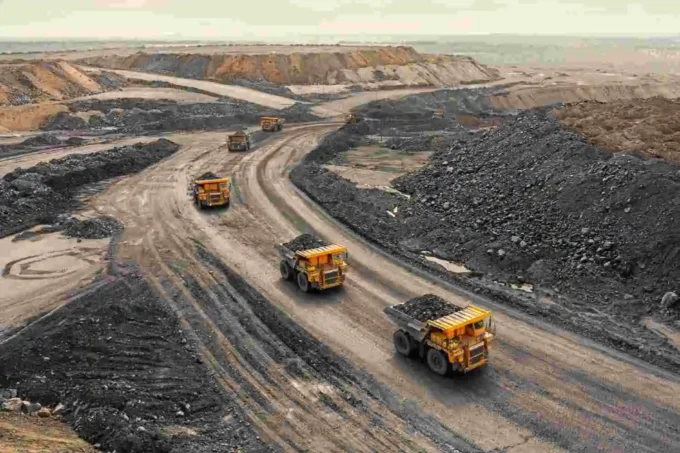

Nigeria’s crude oil production has achieved a significant milestone, recording a year-on-year (YoY) increase of 6.3% to reach 1.507 million barrels per day (bpd) in December 2024, according to data from the Organisation of Petroleum Exporting Countries (OPEC). This marks a notable improvement from 1.418 million bpd recorded in December 2023.
On a month-on-month (MoM) basis, production grew by 2% compared to November 2024’s output of 1.477 million bpd. With these figures, Nigeria has not only met but slightly exceeded the OPEC quota of 1.5 million bpd for the first time since November 2024.
A Renewed Push for Higher Production Targets
The Nigerian Upstream Petroleum Regulatory Commission (NUPRC) reported a YoY increase of 7.38% in daily average oil output, including condensates, which rose to 1.667 million bpd in December 2024, compared to 1.552 million bpd during the same period in 2023.
However, there was a slight MoM decline in daily average output, dropping from 1.690 million bpd in November 2024 to 1.667 million bpd in December. Peak daily production for the month was recorded at 1.79 million bpd, with the lowest at 1.57 million bpd.
Despite these variations, cumulative oil production for December 2024 stood at 51.69 million barrels, reflecting a marginal increase of 1.9% compared to November’s output of 50.71 million barrels.
NUPRC has set an ambitious target to achieve a production capacity of at least 2.1 million barrels per day (MBOPD) by 2025. This goal aligns with the Federal Government’s broader vision of revitalizing the oil and gas sector to ensure sustained growth and economic stability.
Policy Reforms and Strategic Investments Drive Progress
Speaking before the Senate Committee on Appropriation, NUPRC Chief Executive Engr. Gbenga Komolafe emphasized the progress made since the Commission’s establishment in 2021. Nigeria’s rig count has doubled from 16 in 2021 to 32 in 2024, reflecting increased exploration and drilling activities.
“This bold production target is not just a number; it is a commitment to repositioning Nigeria as a competitive and sustainable player in the global oil and gas industry,” Komolafe stated.
Minister of State for Petroleum Resources (Oil), Senator Heineken Lokpobiri, highlighted the Presidential directive to ramp up production as a key driver of the sector’s transformation.
“Under President Bola Ahmed Tinubu’s visionary leadership, we have embraced a transformative journey in the oil sector. From 1 million bpd when we began, we have boosted output to 1.8 million bpd, including condensates, and aspire for even greater heights,” Lokpobiri said.
Major Achievements in Nigeria’s Oil Sector
- Attracting Foreign Investments: The government has secured significant investments in exploration and production activities, bolstered by improved investor confidence and streamlined regulatory processes.
- Peace in Host Communities: Robust community engagement initiatives have reduced unrest and sabotage in oil-producing regions, ensuring steady production.
- Deregulation of the Downstream Sector: The full deregulation of the petroleum downstream sector has enhanced product availability and eliminated subsidy-related inefficiencies.
- Capacity Building for Indigenous Players: Increased support for local companies has boosted their participation in the oil and gas value chain, fostering economic growth and job creation.
- Streamlined Licensing Processes: Reforms have eliminated bureaucratic bottlenecks, expediting licensing and approvals for exploration and production activities.
Challenges and the Path Ahead
Despite these achievements, Nigeria’s oil sector faces several challenges:
- Fluctuating Global Oil Prices: With oil prices recently plunging below $70 per barrel, revenue projections remain uncertain, posing risks to budgetary targets.
- Infrastructure Deficits: Aging infrastructure in the upstream sector limits production capacity and increases operational costs.
- Oil Theft and Sabotage: Illegal bunkering and pipeline vandalism continue to threaten production levels, despite ongoing security efforts.
To address these challenges, the government is focusing on technology-driven solutions such as pipeline monitoring systems and data analytics to combat oil theft and improve operational efficiency.
Role of the Dangote Refinery and Other Projects
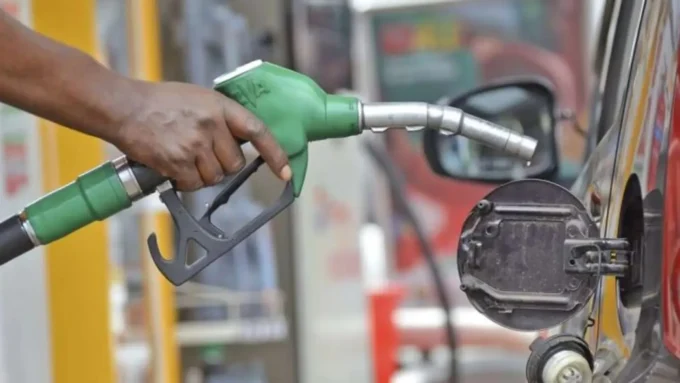
The commissioning of the Dangote Refinery and other local refineries is expected to play a critical role in stabilizing Nigeria’s oil and gas sector. With a refining capacity of 650,000 bpd, the Dangote Refinery will significantly reduce Nigeria’s dependence on imported petroleum products, enhancing energy security and creating a new revenue stream.
Additionally, revitalization projects at the Port Harcourt, Warri, and Kaduna refineries aim to boost domestic refining capacity, ensuring that a larger share of Nigeria’s crude oil is processed locally.
Global and Regional Implications
Nigeria’s improved oil production has broader implications for the global energy market. As Africa’s largest oil producer, Nigeria’s ability to meet and exceed OPEC quotas strengthens its position within the organization.
Regionally, increased production capacity supports the African Union’s vision of energy self-sufficiency and economic integration. Collaborative projects like the West African Gas Pipeline and the Nigeria-Morocco Gas Pipeline exemplify Nigeria’s commitment to regional energy security.
Looking Forward: The 2025 Target
With the 2025 budget projecting an output target of 2.06 million bpd, meeting this goal will require sustained efforts in the following areas:
- Investment in Technology: Leveraging advanced drilling techniques and reservoir management tools to optimize production.
- Policy Continuity: Ensuring that regulatory reforms are maintained and strengthened to build investor confidence.
- Environmental Sustainability: Balancing production goals with environmental commitments, including reducing gas flaring and adopting cleaner technologies.
As Nigeria continues to navigate the complexities of the global energy landscape, the collaborative efforts of the government, private sector, and international partners will be crucial in achieving its production targets and realizing its broader economic ambitions.
In the words of Minister Lokpobiri, “This is not just about numbers; it is about transforming lives, creating jobs, and building a resilient economy that benefits every Nigerian.”
Ready to take your career to the next level? Join our dynamic courses: ACCA, HESI A2, ATI TEAS 7 , HESI EXIT , NCLEX – RN and NCLEX – PN!🌟 Dive into a world of opportunities and empower yourself for success. Explore more at Serrari Ed and start your exciting journey today! ✨
photo source: Google
By: Montel Kamau
Serrari Financial Analyst
16th January, 2024