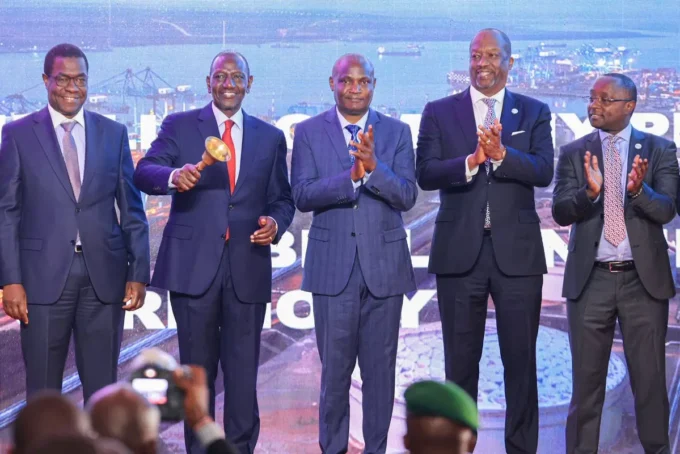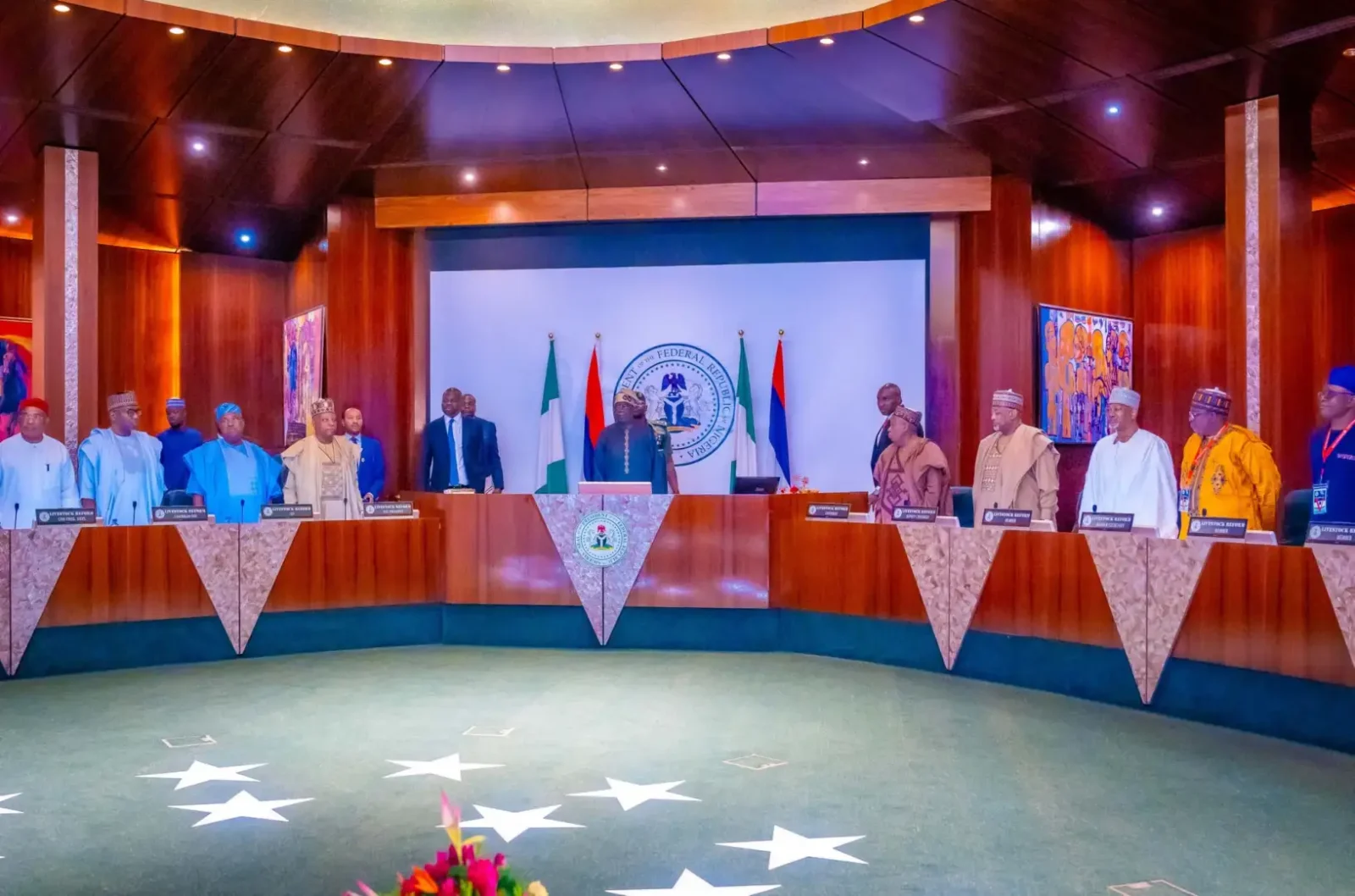
In a landmark move set to reshape the future of Nigeria’s power sector, the Federal Executive Council (FEC) has approved the long-awaited National Integrated Electricity Policy (NIEP), a pivotal roadmap aimed at reforming and modernizing the Nigerian Electricity Supply Industry (NESI). This strategic approval, which comes months after the policy’s initial submission in December 2024, marks a significant leap forward in the country’s efforts to address its longstanding electricity crisis.
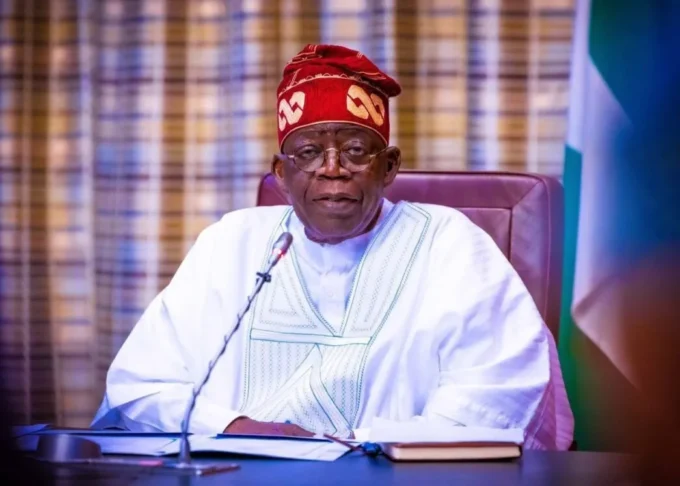
Minister of Power, Chief Adebayo Adelabu, emphasized the importance of this development during a post-FEC meeting briefing, describing the passage of the Electricity Act 2023 and the ratification of NIEP as a “transformative moment” for Nigeria. “This policy is more than just a document; it is a blueprint for exponential socio-economic growth and sectoral sustainability,” Adelabu stated.
A Policy Years in the Making
The NIEP is the first significant overhaul of Nigeria’s electricity policy since the National Electric Power Policy (NEPP) of 2001. While the NEPP laid the groundwork for early sector reforms, including privatization efforts and the unbundling of the Power Holding Company of Nigeria (PHCN), it failed to fully address critical operational, regulatory, and infrastructural shortcomings that have persisted for over two decades.
The newly approved NIEP is mandated by Section 3(3) of the revised Electricity Act 2023, which requires the Federal Government to draft and publish an integrated national electricity policy within one year of the Act’s commencement. This act itself grants broader autonomy to states, enables competition in electricity markets, and opens new pathways for investment.
Now fully ratified, the NIEP aims to synchronize the diverse interests of federal and state governments, private sector players, consumers, and development partners into a harmonized vision for a resilient and efficient electricity supply industry.
Key Pillars of the NIEP
The roadmap is anchored on several strategic pillars, all tailored to holistically reform Nigeria’s power value chain—generation, transmission, distribution—and stimulate innovations in renewable energy, energy efficiency, governance, and sector financing.
- Power Generation:
The policy aims to boost power generation capacity from the current average of 4,000–5,000 MW to levels that meet national demand, which is estimated to exceed 30,000 MW. This includes support for Independent Power Producers (IPPs), improved fuel supply agreements (particularly for gas-fired plants), and the diversification of energy sources. - Transmission and Distribution:
With Nigeria’s outdated transmission infrastructure often cited as a major bottleneck, the NIEP calls for accelerated investment in the national grid to reduce technical and non-technical losses, improve evacuation capacity, and ensure that generated power reaches end-users reliably.
It also empowers states to operate their own sub-national electricity markets and grids, creating what the policy calls “State Electricity Markets” (SEMs), under a decentralized model that is expected to spur local innovation and investment. - Renewable Energy Integration:
With global attention shifting towards cleaner energy, the NIEP integrates ambitious plans to mainstream renewable energy sources like solar, wind, and hydro into the national grid. This aligns with Nigeria’s commitment to the Paris Agreement and its own Energy Transition Plan, which targets net-zero emissions by 2060. - Energy Efficiency and Conservation:
Energy efficiency is highlighted as a critical area for policy action, particularly in reducing operational waste, improving customer metering systems, and promoting energy-saving appliances. - Governance and Regulation:
The policy sets new performance standards for regulatory bodies such as the Nigerian Electricity Regulatory Commission (NERC) and the National Electricity Management Services Agency (NEMSA), enhancing oversight, accountability, and consumer rights protection. - Stakeholder Engagement:
One of the most defining features of the NIEP is its participatory development process. According to Adelabu, “This policy is the product of over a year’s worth of collaboration involving ministries, state governments, donor agencies, civil society, private investors, academia, and consumer advocacy groups.” - Climate Change and Sustainability:
Recognizing the environmental impact of Nigeria’s current energy mix—dominated by fossil fuels—the NIEP incorporates sustainable practices and adaptation strategies, including investment incentives for clean energy and capacity building for a low-carbon economy. - Social Inclusion and Gender Equity:
The roadmap explicitly promotes gender equality and social inclusion in energy sector governance, workforce participation, and access to energy solutions. It supports initiatives to empower women entrepreneurs in the power sector and ensures that rural and underserved communities are not left behind.
Challenges Addressed by the Policy
Nigeria’s power sector is plagued by multiple systemic issues: inadequate generation capacity, poor transmission infrastructure, high losses in distribution, chronic liquidity shortfalls, and a trust deficit between consumers and utility providers.
The sector’s challenges have had a domino effect on the economy, stifling industrial productivity, hampering digital innovation, and causing millions of small businesses to rely on expensive diesel generators. According to the World Bank, Nigeria loses an estimated $29 billion annually due to unreliable electricity supply.
The NIEP aims to tackle these inefficiencies head-on by adopting a coordinated, performance-driven approach to power sector development. It encourages better risk allocation in public-private partnerships (PPPs), improved tariff structures to ensure cost-reflective pricing, and stronger contract enforcement mechanisms.
Financing and Investment Framework
Another major aspect of the NIEP is its emphasis on capital mobilization. Nigeria’s power sector requires tens of billions of dollars in investments over the next decade. The policy outlines strategies to de-risk investments, create guarantees for independent power producers, and attract funding from both domestic and international investors.
It also includes mechanisms for engaging multilateral institutions like the World Bank, African Development Bank, and international donor agencies to provide concessional financing, technical support, and policy advice.
In line with this, the FEC has also approved the establishment of a Power Sector Reform Implementation Committee (PSRIC), which will be tasked with coordinating the execution of the policy and ensuring that targets are met.
A Living Document
Chief Adelabu described the NIEP as a “living document” that would evolve in response to emerging trends and technologies in the electricity landscape. The policy’s adaptability is critical, especially as the energy transition gains momentum globally and Nigeria explores digital solutions such as smart grids, blockchain-based energy trading, and demand-side management tools.
“The policy is not static. It will grow with us. We have the flexibility to tweak it in response to market feedback, climate realities, and technological advances,” the minister said.
Looking Ahead
With the NIEP now approved, the next step is aggressive implementation. Key indicators of early progress will include increased generation capacity, reduction in energy losses, improvement in electricity access across rural communities, and visible private sector participation in both centralized and decentralized electricity projects.
The President’s directive to the Ministry of Power is clear: move from planning to execution. The successful implementation of this roadmap will test Nigeria’s institutional capacity, political will, and the readiness of the private sector to scale up investment.
Industry experts have largely welcomed the FEC’s decision. Dr. Sam Amadi, former Chairman of NERC, noted that “the NIEP could be the turning point we’ve long awaited—if implemented with discipline and transparency.” Others have emphasized the need for legal reforms to remove overlaps in jurisdiction between federal and state regulators.
Conclusion
The approval of the National Integrated Electricity Policy marks a new era for Nigeria’s energy sector—one defined by structured reforms, increased decentralization, and a drive toward inclusivity and sustainability. While challenges remain, this roadmap represents a hopeful shift towards delivering stable, affordable, and accessible electricity for all Nigerians.
If implemented in full and with diligence, the NIEP has the potential to not only light up Nigerian homes and industries but also catalyze national development and economic transformation in the years ahead.
Ready to take your career to the next level? Join our dynamic courses: ACCA, HESI A2, ATI TEAS 7 , HESI EXIT , NCLEX – RN and NCLEX – PN, Financial Literacy!🌟 Dive into a world of opportunities and empower yourself for success. Explore more at Serrari Ed and start your exciting journey today! ✨
photo source: Google
By: Montel Kamau
Serrari Financial Analyst
8th May, 2025