

Nigeria, Africa’s largest economy, is set to embark on a comprehensive tax reform to simplify its complex tax system and enhance its business-friendly environment. The primary objective is to reduce the multitude of taxes currently in place to fewer than 10, a move aimed at promoting investment and increasing government revenues.
The current tax-to-GDP ratio of 10.8% is one of the lowest in the world, necessitating significant borrowing for the national budget. Investors often highlight Nigeria’s convoluted tax structure and numerous revenue collection agencies as barriers to conducting business and deterring investment.
According to Taiwo Oyedele, an advisor to President Bola Tinubu on tax reform, Nigeria presently has over 60 official taxes and levies collected by federal, state, and local authorities as mandated by law. Additionally, there are unofficial taxes, levied both legally and illegally, further complicating the system, resulting in an estimated 200 taxes in total. This complexity, as Oyedele points out, fosters revenue leakages and encourages non-state actors to collect and retain taxes.
One key aspect of the reform involves amending the constitution to clarify which level of government is responsible for specific tax collections. This will streamline the process, eliminate confusion, and ultimately foster economic growth.
Nigeria’s ambitious tax reform initiative is poised to simplify its tax system, enhance government revenues, create a more attractive business environment, and rekindle investor interest, positioning the country for a brighter economic future.
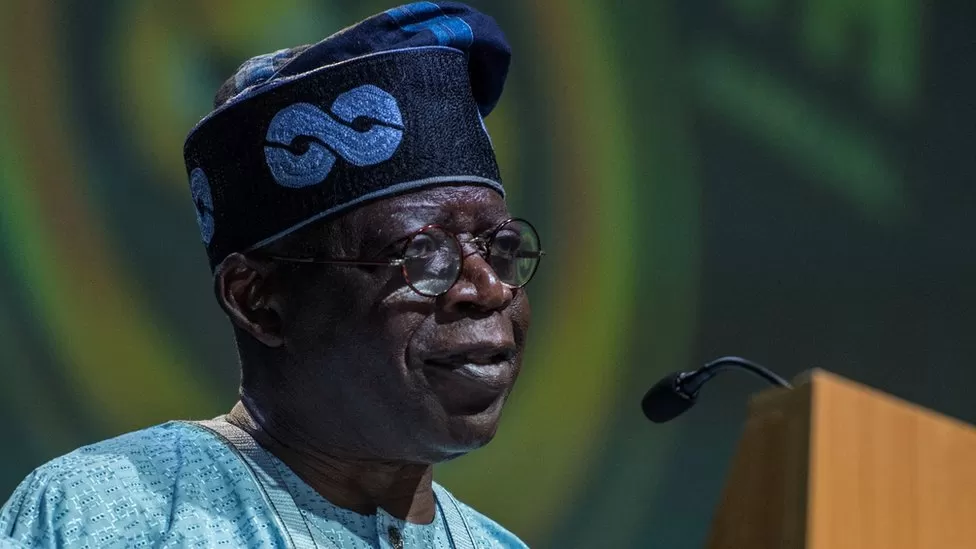
Photo ( By Nduka Orjinmo , BBC)
By: Montel Kamau
Serrari Financial Analyst
26th October, 2023