
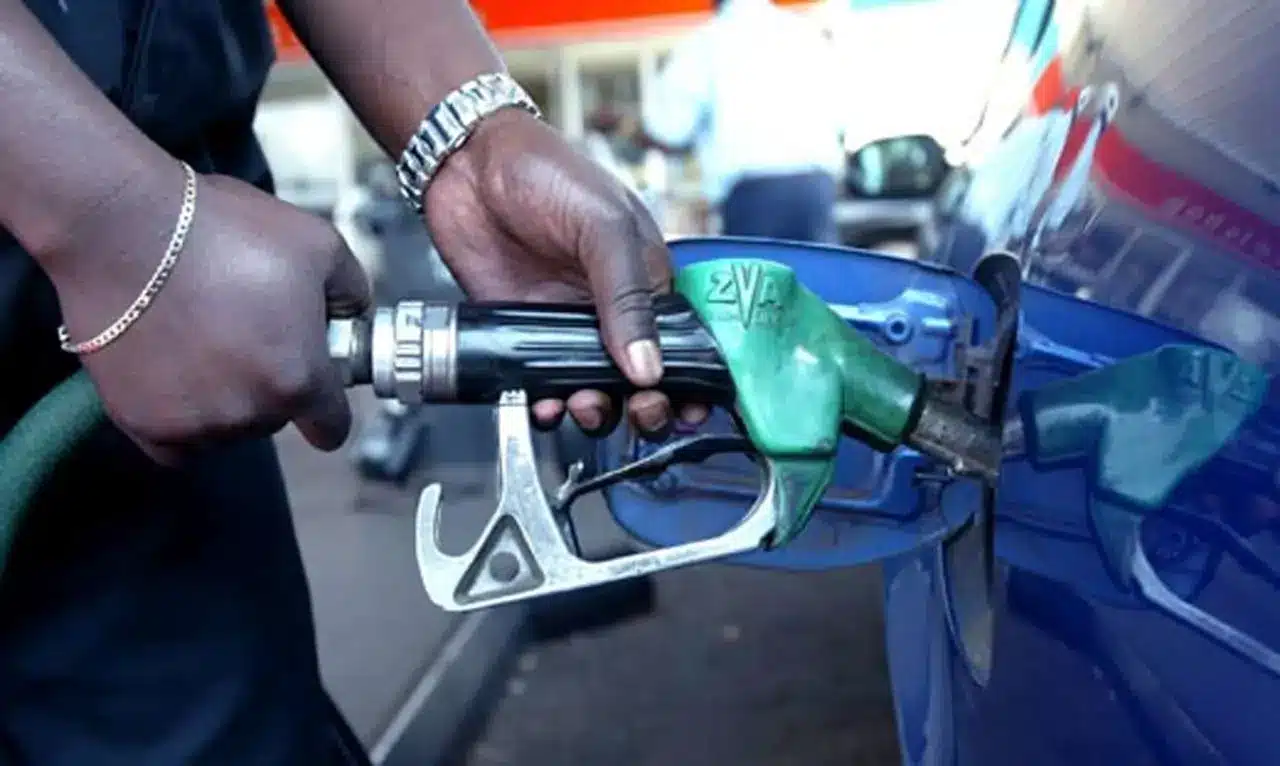
The Federal Government of Nigeria has reassured citizens that the price of petrol will stabilize as supply increases across the country. This announcement comes amid concerns over rising fuel prices, which have put additional strain on the already challenged economy.
Background: Deregulation of Nigeria’s Petroleum Sector
In recent years, Nigeria has undergone significant changes in its petroleum sector, most notably the deregulation of petrol prices. Deregulation, which was officially implemented in 2020, marked a shift from the government-controlled pricing system to a market-driven approach. This change was intended to reduce the financial burden of subsidies on the government, which had long been a source of fiscal strain.
Under the previous subsidy regime, the Nigerian government spent billions of dollars annually to keep fuel prices artificially low. However, this system was widely criticized for being inefficient, prone to corruption, and unsustainable in the long term. The removal of subsidies was seen as a necessary step towards creating a more transparent and efficient petroleum market.
Current Situation: Government Response and Market Dynamics
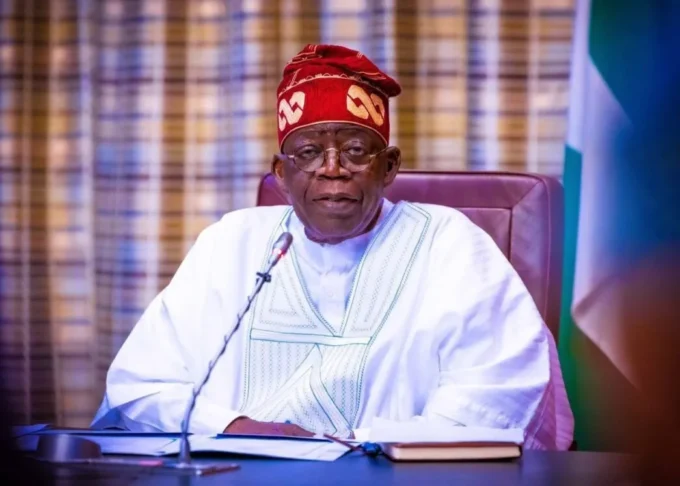
During a meeting at the Presidential Villa in Abuja on September 6, 2024, Minister of State for Petroleum Resources (Oil) Heineken Lokpobiri, along with Vice President Kashim Shettima and other key officials, addressed the current fuel situation in Nigeria. Lokpobiri emphasized that the government is not fixing petrol prices, as the sector has been fully deregulated. Instead, he reassured the public that efforts are being made to increase supply, which should lead to price stabilization.
“The vice president, and we’ve been with him to brief him about what is going on across the country,” Lokpobiri said. “And what is important is for us to convey to Nigerians that the President is empathetic about what is going on in the country. He is concerned about the hardship of Nigerians, and that was why he directed the Vice President to call this meeting, for us to reflect on what is going on in the country.”
Lokpobiri’s comments come in response to widespread concerns about the rising cost of petrol, which has led to higher transportation costs and inflationary pressures. The minister highlighted that the key issue is ensuring the availability of products across the country. “We believe that between now and the weekend, there will be availability of products across the length and breadth of the country,” he said.
The government’s stance on not fixing prices aligns with its broader policy of allowing market forces to determine pricing. However, Lokpobiri acknowledged that prices could vary across different regions due to logistical challenges and varying supply levels. “The price could be high in some other areas, much more higher in some other locations, and in some locations, much more than you know other areas. But we believe that by the time there is availability of products across the country, the price itself will stabilize,” he added.
Supply Chain and Regulatory Efforts
Mugo Kalu Okuoha, the Executive Director of Nigeria Mainstream and Downstream Petroleum Regulatory Authority, also provided insights into the measures being taken to stabilize supply. “All regulatory efforts are now geared towards stabilizing supply, with a resultant impact that it will be positive also on the stability of price,” Okuoha explained.
The regulatory authority is working to ensure that loading depots operate for extended hours and that vessels carrying petroleum products are cleared promptly. These measures are aimed at increasing the efficiency of the supply chain and reducing delays that could contribute to price volatility.
Okuoha also emphasized the importance of supporting local refineries. “More importantly also is the reinforcement of the support being given to local refineries, because with increased production from them, we, indeed, like the minister, has said, there will be higher supply, which will stabilize the price,” he stated.
The Role of Local Refineries
The focus on local refineries is a critical aspect of Nigeria’s strategy to stabilize fuel prices. Nigeria, despite being one of the largest oil producers in Africa, has historically relied heavily on imported refined petroleum products due to inadequate refining capacity. This reliance on imports has exposed the country to global oil price fluctuations and foreign exchange risks.
In recent years, efforts have been made to revitalize Nigeria’s domestic refining industry. The Dangote Refinery, which began operations in 2023, is a significant milestone in this regard. As one of the largest refineries in Africa, the Dangote Refinery has the potential to meet a substantial portion of Nigeria’s domestic fuel demand, reducing the need for imports and contributing to price stability.
However, the refinery’s impact on the market is still unfolding. While it has the capacity to refine 650,000 barrels of crude oil per day, the full benefits of its operations are expected to be realized gradually as production ramps up and supply chains are optimized.
Economic Implications of Fuel Price Stabilization
The stabilization of petrol prices is not just a matter of consumer relief; it has broader economic implications. Fuel prices in Nigeria have a direct impact on the cost of transportation, which in turn affects the prices of goods and services across the economy. High fuel prices can lead to inflationary pressures, eroding the purchasing power of consumers and contributing to economic hardship.
The government’s efforts to stabilize prices, therefore, are critical to maintaining economic stability. However, the success of these efforts will depend on a range of factors, including global oil prices, domestic refining capacity, and the effectiveness of regulatory measures.
Global Oil Market Dynamics
The global oil market plays a significant role in determining petrol prices in Nigeria. As an oil-exporting country, Nigeria’s economy is closely tied to the fortunes of the oil market. Fluctuations in global oil prices can have a direct impact on the cost of importing refined petroleum products.
In recent months, global oil prices have been influenced by a variety of factors, including geopolitical tensions, supply chain disruptions, and shifts in demand. The ongoing conflict in Ukraine, for example, has contributed to volatility in the oil market, with prices experiencing sharp fluctuations.
For Nigeria, managing these external risks is a complex challenge. The government’s decision to deregulate the petroleum sector was partly motivated by the need to reduce the country’s vulnerability to global oil price shocks. However, the transition to a market-driven pricing system has also exposed consumers to the full impact of these fluctuations.
Consumer Response and Public Perception
The public’s response to rising fuel prices has been mixed. While some consumers have expressed frustration over the higher costs, others have acknowledged the need for deregulation as a long-term solution to the inefficiencies of the subsidy regime.
Public perception of the government’s handling of the situation is likely to play a crucial role in determining the political sustainability of the current policy approach. The government’s communication strategy, emphasizing empathy and efforts to stabilize supply, is aimed at mitigating public discontent and building support for its policies.
Conclusion: The Path Ahead
As Nigeria navigates the challenges of deregulation and global market dynamics, the government’s focus on stabilizing petrol prices is crucial. The success of these efforts will depend on a combination of increased domestic production, efficient supply chain management, and effective regulatory oversight.
In the coming months, the impact of the Dangote Refinery, along with other local refining initiatives, will be closely watched as a key factor in determining the stability of petrol prices. At the same time, the government’s ability to manage external risks and maintain public confidence will be essential to ensuring economic stability and consumer relief.
While the road ahead is fraught with challenges, the government’s proactive approach to addressing supply issues and stabilizing prices is a positive step towards creating a more resilient and sustainable petroleum market in Nigeria.
photo source: Google
By: Montel Kamau
Serrari Financial Analyst
9th September, 2024