Nigeria’s electricity sector underwent a significant shift as the Nigerian Electricity Regulatory Commission (NERC) approved tariff increases targeting approximately 15% of consumers. This decision aims to reduce the strain on public finances by eliminating electricity subsidies for wealthier consumers.
Following the announcement by presidential spokesperson Bayo Onanuga, the government moved swiftly to implement the tariff adjustments. Effective immediately, the new tariff stands at 225 naira per kilowatt hour, a substantial increase from the previous 68 naira per kilowatt hour maximum.
Musiliu Oseni, Vice Chairman of NERC, clarified that the adjustment was based on careful consumer categorization using data from electricity distributors. This measure aligns with President Bola Tinubu’s reform agenda, echoing previous actions to eliminate fuel subsidies and devalue the currency in pursuit of economic growth.
The World Bank’s endorsement of subsidy reductions underscores their importance in strengthening Nigeria’s public finances. The nation’s electricity sector, plagued by systemic issues including an ailing grid, gas shortages, and vandalism, urgently requires restructuring to address mounting debts and attract investment.
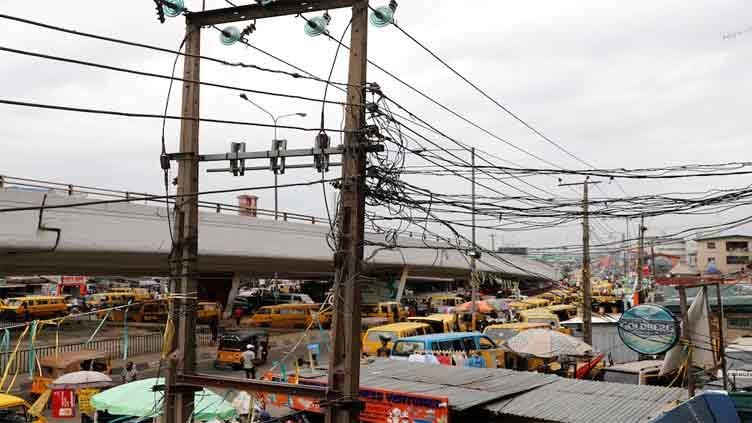
Despite possessing substantial installed capacity, Nigeria struggles to meet electricity demand, forcing many citizens to rely on costly alternatives such as diesel generators. Low state-controlled tariffs exacerbate financial strains on the sector, hindering its viability.
While consumers may express concerns about the tariff hikes, the government remains steadfast in its commitment to modernizing the electricity landscape for sustained economic growth. This move reflects Nigeria’s determination to embrace renewable energy solutions and align with global trends towards sustainability.
photo source: Google
By: Montel Kamau
Serrari Financial Analyst
4th April, 2024