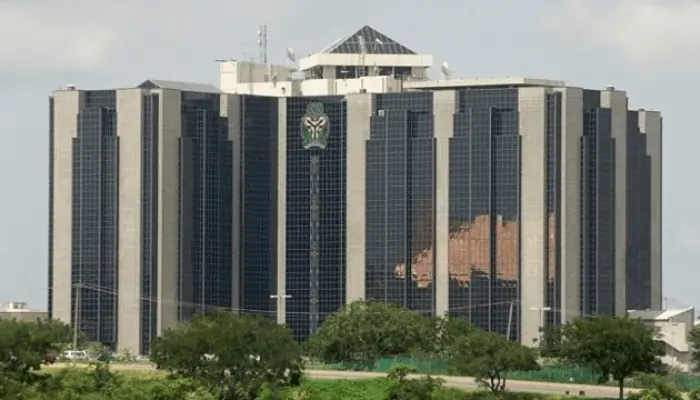
Nigeria’s banking sector has increasingly relied on the Central Bank of Nigeria (CBN) for liquidity support, with banks borrowing $585 million (N930.7 billion) through the CBN’s Standing Lending Facility (SLF) as of October 11, 2024. This borrowing surge reflects growing liquidity pressures faced by financial institutions, as they struggle to meet customer withdrawal demands and short-term obligations.
The SLF is a short-term facility designed to provide banks with temporary funding, helping them maintain operational stability. The reliance on this facility underscores the ongoing liquidity challenges within Nigeria’s banking system, exacerbated by the broader economic climate. System liquidity, which had closed higher at N8919 billion last week compared to the previous N304.3 billion, was bolstered by sizeable liquidity injections through the SLF, Open Market Operations (OMO), and Nigeria Treasury Bills (NTB) repayments. These liquidity interventions have kept the system functioning, but the underlying vulnerabilities remain significant.
Surge in Liquidity Needs
The large amounts borrowed by banks via the SLF suggest mounting pressure on the Nigerian banking system to maintain sufficient liquidity. In addition to borrowing N930.7 billion through the SLF, the banking system also saw OMO and NTB repayments totaling N8.5 trillion and N81.9 billion, respectively. These injections helped maintain liquidity levels, but the elevated demand for funding through the SLF points to persistent liquidity constraints, particularly as short-term interest rates in the interbank market, such as the Overnight (OVN) and Open Purchase Rate (OPR), rose by 13 and 23 basis points to 32.4% and 33%, respectively.
The CBN’s decision to lift the suspension on lending through the SLF earlier this year came with an interest rate adjustment to 31.75%, signaling the central bank’s tightening monetary policy stance. The SLF provides banks with a crucial lifeline in times of need, especially when market-based funding options are scarce or too costly. As Nigeria continues to grapple with high inflation, sluggish economic growth, and elevated political risks, the demand for CBN liquidity support remains high.
CBN’s Monetary Tightening Measures
In response to rising inflationary pressures, the CBN has implemented a series of monetary tightening measures, including increasing the SLF lending rate and restricting access to market-based funds. These measures, aimed at curbing inflation, have inadvertently led to liquidity shortages in the banking sector, prompting many banks to turn to the SLF for short-term financing. This trend has been consistent throughout 2024, with banks borrowing a total of N86.47 trillion from the CBN between January and September, a staggering 384.7% increase compared to the N17.8 trillion borrowed in the first nine months of 2023.
In September 2024 alone, banks borrowed N7.82 trillion from the CBN, representing a 94% increase from the N4.04 trillion borrowed in August. The central bank’s tightening measures have led to significant liquidity strain, forcing banks to rely heavily on the SLF to meet their short-term obligations. These pressures are partly driven by the CBN’s aggressive attempts to tame inflation, which has led to rising interest rates and decreased liquidity in the broader financial system.
Impact of the Liquidity Crunch
The liquidity crunch facing Nigeria’s banking sector is not only a result of CBN policies but also reflective of broader economic challenges. Nigeria has faced significant headwinds in recent years, including declining oil revenues, a depreciating naira, and persistent inflation, which has eroded consumer purchasing power. In response, the CBN has been forced to tighten monetary policy, resulting in higher interest rates and reduced liquidity in the market.
This has created a challenging environment for banks, many of which have had to increase borrowing from the CBN to cover short-term liquidity gaps. The reliance on the SLF has led to concerns about the sustainability of the banking system’s dependence on central bank funding, particularly as the economic outlook remains uncertain.
Additionally, the liquidity shortage has had ripple effects on lending rates, with short-term interbank rates climbing to above 30%. This rise in borrowing costs has made it more expensive for businesses and individuals to access credit, further dampening economic activity. As the cost of capital rises, businesses are forced to scale back investments, leading to slower economic growth and higher unemployment rates.
Rising Borrowing Costs and the Nigerian Economy
The central bank’s efforts to curb inflation have come at the cost of higher borrowing costs across the economy. With the SLF interest rate now set at 31.75%, banks are facing increased pressure to manage their funding costs. The higher cost of borrowing has led to a tightening of credit conditions, making it more difficult for businesses to access affordable loans. This has contributed to a slowdown in investment, as businesses are forced to scale back their expansion plans in the face of rising interest rates.
At the same time, consumer demand has also been affected, as households face higher borrowing costs for mortgages, car loans, and other forms of consumer credit. This has contributed to a contraction in consumer spending, which is one of the key drivers of economic growth in Nigeria.
Furthermore, the increased reliance on the SLF has raised concerns about the stability of the banking sector. Banks that are heavily dependent on CBN funding may face difficulties in the event of a sudden liquidity shock, such as a sharp decline in oil prices or a surge in capital outflows. In such a scenario, the CBN may be forced to inject even more liquidity into the system, potentially undermining its inflation-fighting efforts.
Structural Challenges Facing the Nigerian Banking Sector
The ongoing liquidity challenges in Nigeria’s banking sector are also a reflection of deeper structural issues within the economy. One of the key factors contributing to the liquidity crunch is the country’s over-reliance on oil revenues, which has made the economy vulnerable to fluctuations in global oil prices. With oil prices remaining volatile, Nigeria has struggled to generate sufficient foreign exchange earnings, leading to a shortage of dollars in the economy.
This has put pressure on the naira, which has depreciated significantly against major currencies, further exacerbating inflationary pressures. In response, the CBN has been forced to intervene in the foreign exchange market to stabilize the naira, but this has come at the cost of depleting the country’s foreign reserves.
Another factor contributing to the liquidity crunch is the high level of non-performing loans (NPLs) in the banking sector. Many Nigerian banks have struggled to recover loans from borrowers, particularly in the oil and gas sector, which has been hit hard by the decline in oil prices. The high level of NPLs has led to a tightening of credit conditions, as banks become more cautious about lending to businesses and consumers.
Conclusion: The Path Forward
The ongoing liquidity challenges facing Nigeria’s banking sector are symptomatic of broader economic challenges. While the CBN’s monetary tightening measures are necessary to curb inflation, they have also led to significant liquidity shortages in the banking system. The reliance on the SLF highlights the fragility of the financial system and the need for structural reforms to address the underlying causes of the liquidity crunch.
To mitigate these challenges, the Nigerian government and the CBN must work together to implement policies that promote economic diversification, reduce the country’s reliance on oil revenues, and improve the resilience of the banking sector. This will require a combination of fiscal and monetary policy measures, as well as structural reforms aimed at improving the business environment and attracting foreign investment.
In the short term, the CBN may need to provide additional liquidity support to the banking sector to ensure stability. However, in the long term, it is crucial to address the root causes of the liquidity crunch to build a more resilient and sustainable financial system.
Ignite Your Future with Serrari Group! 🚀
Ready to take your career to the next level? Join our dynamic courses: ACCA, HESI A2, and ATI TEAS 7! 🌟 Dive into a world of opportunities and empower yourself for success. Explore more at Serrari Ed and start your exciting journey today! ✨
Photo source: Google
By: Montel Kamau
Serrari Financial Analyst
15th October, 2024