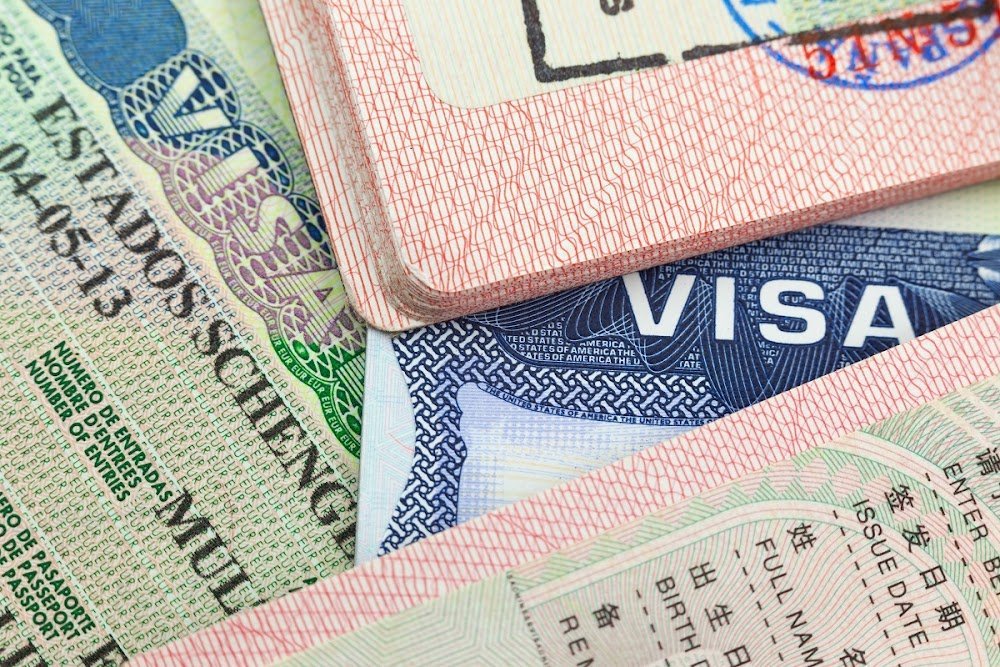
The recent gazetting of the remote work visitor visa and the introduction of a points-based system for work visas marks a significant milestone in South Africa’s immigration policy. This evolution aims to attract skilled and remote workers, offering a pathway to much-needed economic recovery and growth for the nation. These reforms, introduced by Home Affairs Minister Leon Schreiber on 9 October 2024, could boost South Africa’s GDP by 1.2% and contribute to substantial job creation, driving up employment and tax revenues.
New Visa Regulations: A Boost for Economic Growth
The new visa regulations provide clarity and certainty regarding remote work and general work visas. Along with the introduction of a points-based system for critical skills visas, this strategic overhaul of the visa regime seeks to position South Africa as an attractive destination for foreign professionals and digital nomads alike. According to independent research commissioned by the South African Reserve Bank (SARB) and the International Food Policy Research Institute (IFPRI), a 1% increase in highly skilled workers could boost GDP by more than 1.2% and overall economic welfare by the same amount.
The arrival of foreign professionals offers a multiplier effect that not only impacts high-skilled sectors but also creates jobs for local workers. Minister Schreiber emphasized that every additional highly skilled worker could create up to seven new jobs for South Africans, with lower-skilled workers benefiting from a 1.25% increase in employment rates. This injection of skilled labor is vital as South Africa grapples with significant skills shortages in key sectors like technology, healthcare, and engineering.
The Economic Case for Immigration
The economic benefits of attracting highly skilled individuals are clear. Highly skilled immigrants tend to earn more than their South African counterparts, which means they contribute more to the economy through consumption, taxes, and investments. For example, if a skilled immigrant earns three times the average wage of a tertiary-educated South African, only around 11,000 immigrants would be required to generate significant economic outcomes. This number represents only a fraction of South Africa’s total labor force, yet it could lead to a marked improvement in GDP and employment rates.
Moreover, the SARB’s research indicated that a 10% increase in tourist arrivals would further bolster GDP growth by 0.6% annually. The visa reforms also aim to improve South Africa’s tourism industry, which is a critical driver of economic activity. By simplifying the visa process for tourists and foreign professionals, the government aims to boost the inflow of skilled labor, attract investments, and enhance job creation in multiple sectors.
Key Features of the New Visa Regulations
One of the most notable aspects of the new visa regulations is the introduction of a points-based system for work visas, similar to systems used in Canada, Australia, and the UK. The new system takes into account qualifications, work experience, salary offers, and language skills, ensuring that only the most qualified individuals are granted work permits. Foreign nationals must accumulate at least 100 points to be eligible for a visa under this system.
For remote workers, the minimum income requirement has been set at R650,976 per annum, which is double the median income in South Africa’s formal sector. This ensures that foreign professionals can comfortably live in the country while contributing to the local economy. Additionally, foreigners from countries with double taxation agreements are exempt from registering with the South African Revenue Service (SARS), unless they spend more than 183 days in South Africa within a 12-month period.
Other key features of the new regulations include:
- A simplified visa application process for tourists and remote workers.
- Exemptions from double taxation for qualifying foreigners.
- A requirement for applicants to provide police clearance certificates, proof of accommodation, return flights, and medical reports.
These measures are expected to reduce bureaucratic hurdles and make South Africa a more attractive destination for skilled professionals and investors.
Addressing Skills Gaps and Enhancing Competitiveness
The new visa regulations come at a time when South Africa faces a significant skills shortage, exacerbated by emigration and restrictive policies such as Black Economic Empowerment (BEE) quotas. By opening up the economy to foreign talent, the government aims to fill critical skills gaps that have hindered the country’s economic progress. This is particularly important for sectors like technology and manufacturing, which require highly specialized skills.
KPMG lead economist Frank Blackmore commented that the visa regime is “finally fit for purpose,” aligning with South Africa’s industrial policy and long-term growth targets. The reforms are designed to stimulate productivity in sectors that rely on advanced skills and innovation, thereby enabling South Africa to compete on the global stage. For instance, companies like Tesla could now consider setting up production plants in the country, provided they can bring in the necessary foreign expertise. Over time, these high-skilled roles could be localized, creating more opportunities for South Africans in the process.
Widespread Support for the Reforms
The new visa regulations have received widespread approval from various sectors of the economy. Andreas Krensel, a partner at IBN Immigration Solutions, praised the points-based system for providing clear and measurable criteria for applicants. He noted that this system reduces confusion for both applicants and employers, while also ensuring that those who can contribute most to South Africa’s economy are prioritized.
The Tourism Business Council of South Africa (TBCSA) also welcomed the changes, highlighting the importance of streamlined visa processes for attracting more tourists and foreign professionals. TBCSA CEO Tshifhiwa Tshivhengwa emphasized that the reforms position South Africa as a competitive destination for international visitors and digital nomads, thereby supporting the country’s economic recovery and growth.
President Ramaphosa’s Endorsement and Broader Reforms
President Cyril Ramaphosa has endorsed the visa reforms as a key component of his government’s efforts to accelerate economic growth and job creation. The reforms are part of Operation Vulindlela, a joint initiative between the Presidency and National Treasury aimed at implementing structural reforms to remove barriers to economic progress. Ramaphosa described the new visa system as “a passport to faster economic growth,” stressing that the reforms will help unlock opportunities for investment and job creation.
In addition to the visa reforms, the government is working on a broader set of policies to enhance South Africa’s attractiveness to international investors. These include reforms in energy, infrastructure, and labor markets, all of which are essential for sustaining long-term economic growth.
Looking Ahead: The Long-Term Impact
While the immediate impact of the new visa regulations may not be felt overnight, the long-term benefits are likely to be substantial. By attracting highly skilled workers, South Africa can drive innovation, boost productivity, and create new industries that contribute to sustainable economic growth. Additionally, the inflow of foreign professionals will create demand for housing, services, and other goods, further stimulating the local economy.
In conclusion, the new visa reforms represent a bold step towards addressing South Africa’s skills shortages and unlocking its economic potential. By making the country more accessible to skilled immigrants and remote workers, the government is laying the foundation for a more inclusive and prosperous future. As these reforms take effect, South Africa stands to benefit from increased investment, job creation, and economic growth, positioning itself as a key player in the global economy.
Photo source: Google
By: Montel Kamau
Serrari Financial Analyst
11th October, 2024