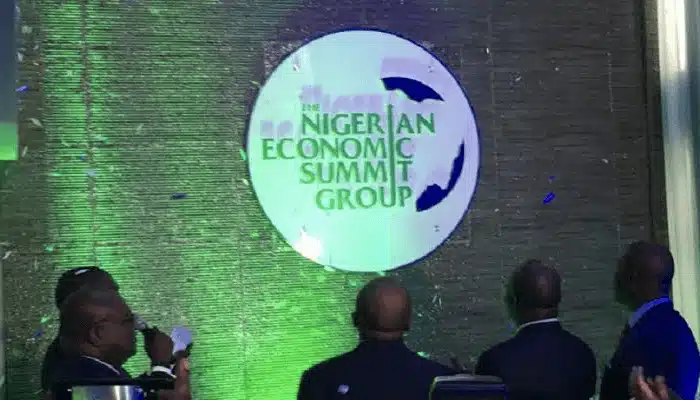
The Nigerian Economic Summit Group (NESG) recently concluded its landmark 30th annual summit, bringing together business leaders, policymakers, and stakeholders from across Africa and beyond to discuss Nigeria’s economic challenges and opportunities. With the theme “Collaboration for Action,” the event emphasized a unified effort to address the pressing economic issues facing the country and the broader African continent. The summit underscored the need for resilience, patience, and sustained action to secure long-term economic growth.
Navigating Economic Uncertainty: Calls for Patience and Resilience
In his address at the summit’s closing press conference, NESG Chairman Mr. Niyi Yusuf acknowledged the tough economic challenges Nigeria is currently facing. He emphasized the importance of resilience and the need for a long-term strategy. Using agricultural metaphors, he urged Nigerians and stakeholders to think of the economy as a crop that requires nurturing. “We are going through difficult times, but we need to stay the course and nurture the seeds,” he said, calling for patience and persistence to achieve future growth.
Yusuf outlined the importance of private capital within Africa, noting that collaboration between the private sector, government, and international business communities is critical to achieving the Sustainable Development Goals (SDGs). He further highlighted the immense opportunities presented by the African Continental Free Trade Area (AfCFTA), which significantly expands Nigeria’s market potential from 220 million people to 1.4 billion across Africa.
“The opportunity is beyond Nigeria; it is the African continent. It’s Africans, whether on the continent or in the diaspora,” Yusuf stated. This pan-African vision forms a core part of NESG’s forward-looking economic agenda, which now extends beyond Nigeria’s borders.
Strengthening Ties with Francophone Africa
One of the major developments emerging from the summit was the decision to deepen engagement with Francophone African nations. NESG CEO Dr. Tayo Aduloju revealed that business leaders from Francophone Africa expressed eagerness to collaborate more closely with Nigeria, recognizing its leadership role in driving regional economic growth. “They said, ‘We need Nigerian leadership, not just at home, but in the region,’” Aduloju recounted. This signals an important shift in Nigeria’s economic diplomacy, with a more concerted effort to engage with the wider African region.
The NESG’s decision to expand its platform into a broader African Economic Summit aligns with Nigeria’s ambition under AfCFTA to position itself as a regional hub for trade and investment. The move is expected to foster deeper economic integration across Africa and provide Nigerian businesses with new opportunities in Francophone markets.
A Legacy of Economic Reforms
Reflecting on the achievements of the NESG over the past 30 years, Aduloju highlighted the group’s role in driving key reforms across sectors, including telecommunications, financial services, and the digital economy. These reforms, he said, demonstrate that the summit is not just a “talk shop” but a platform that facilitates tangible transformation.
One of the summit’s most notable successes has been its advocacy for Nigeria’s telecommunications reforms, which took seven years to implement. This long-term view, Aduloju suggested, is essential for making meaningful changes to Nigeria’s economy. He also underscored the summit’s role in shaping frameworks for reforms in logistics, seaports, and financial systems, which have contributed to enhancing Nigeria’s global competitiveness.
Key Outcomes and Action Frameworks
The 30th summit resulted in actionable frameworks across five core pillars: building a more secure society, fostering inclusive development, unleashing business dynamics, promoting collaboration, and igniting innovation. In total, 57 sessions were held, each focusing on specific challenges and opportunities in Nigeria’s economic landscape.
One of the most significant outcomes was the summit’s focus on recalibrating Nigeria’s industrial policy. According to Aduloju, there was consensus among participants on the need for regulatory reforms to make Nigeria’s manufacturing sector more competitive, particularly with respect to exports. The forthcoming “Industrial Policy Compact” is expected to prioritize non-oil exports, providing a more diversified economic base for the country.
Food security was another major topic of discussion during the summit. Aduloju emphasized the importance of moving beyond a consumption-driven model to one that builds productive value chains across multiple sectors. He noted that Nigeria must adopt a systems-based approach to address hunger and improve agricultural productivity, with infrastructure development playing a key role in this transformation.
Aligning Fiscal and Monetary Policy for Growth
A recurring theme throughout the summit was the alignment of fiscal and monetary policies to foster economic growth. Participants stressed the need for cooperation between fiscal and monetary authorities to drive sectors of the economy that have stagnated in recent years.
Aduloju summarized the discussions, stating that targeted fiscal policies are essential for moving these stagnating sectors into growth. He also stressed the importance of monetary policy reforms that focus on enhancing the availability of credit for businesses, especially in key sectors like manufacturing, agriculture, and technology.
Infrastructure and Transparency: The Keys to Economic Progress
Infrastructure development emerged as a top priority, with participants identifying key areas for improvement in logistics and digital systems. The summit advocated for a comprehensive strategy to improve Nigeria’s underperforming assets, such as refineries, seaports, and airports. One proposal included the adoption of an “asset fiscalization” strategy, which aims to increase the productivity of these assets through private-sector partnerships and investments.
Another critical message from the summit was the need for “painful transparency.” A keynote speaker during the presidential plenary session highlighted the importance of openness and accountability in policy implementation. Aduloju echoed these sentiments, stating that transparency is crucial for building trust with the public, particularly in times of economic hardship. He noted that Nigeria has succeeded before in turning around difficult situations and can do so again with the right reforms.
A Call for Action
As the summit concluded, the NESG made it clear that the time for dialogue is over, and the time for action has begun. Aduloju announced that the NESG would publish the summit’s action frameworks, providing a roadmap for stakeholders to follow in the coming years. These frameworks are designed to guide Nigeria’s economic transformation, with a focus on achieving tangible results.
The NESG has also committed to tracking the progress of the various action items agreed upon during the summit. This monitoring process will ensure that stakeholders remain accountable for their commitments, and that Nigeria continues to move toward its goal of becoming a leader on the African continent.
Conclusion
The 30th Nigerian Economic Summit marked a pivotal moment in Nigeria’s economic trajectory. As the NESG looks to expand its influence across Africa, it has set the stage for greater regional collaboration and economic growth. By focusing on key areas such as industrial policy, food security, infrastructure development, and transparency, the summit has provided a clear roadmap for Nigeria’s future. The success of this vision, however, will depend on sustained action and commitment from both the public and private sectors.
The NESG remains optimistic that with the right reforms, Nigeria can overcome its current challenges and emerge as a leading economic force in Africa.
Ignite Your Future with Serrari Group!
Ready to take your career to the next level? Join our dynamic courses: ACCA, HESI A2, and ATI TEAS 7! 🌟 Dive into a world of opportunities and empower yourself for success. Explore more at Serrari Ed and start your exciting journey today! ✨
Photo source: Google
By: Montel Kamau
Serrari Financial Analyst
17th October, 2024