
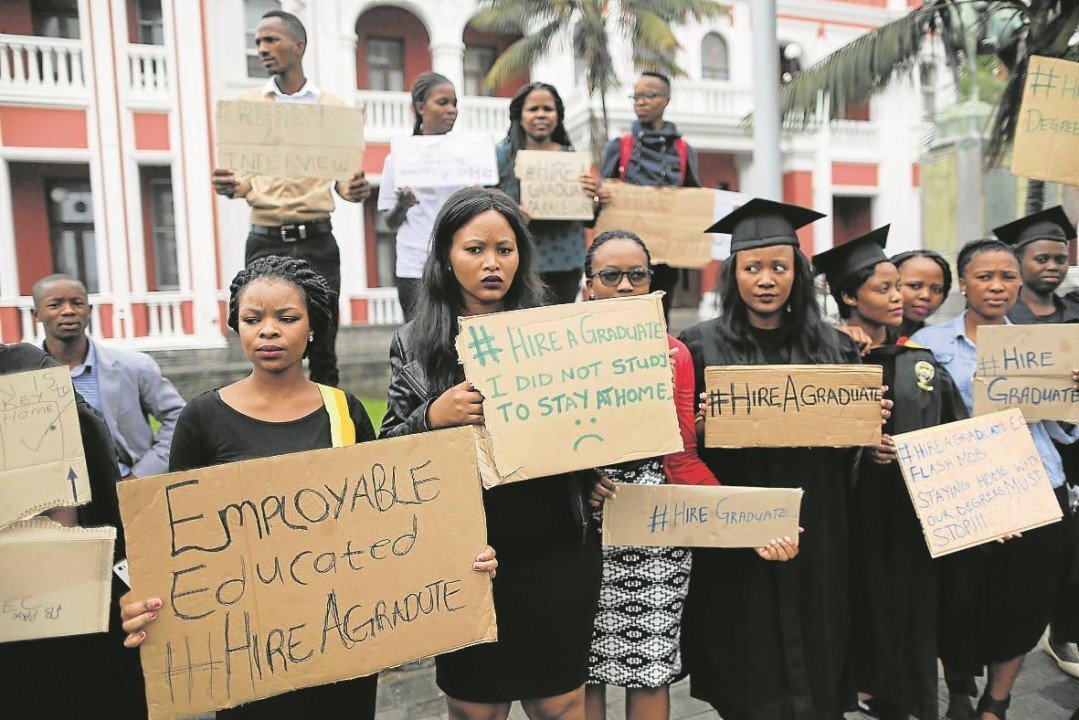
Namibia, a country of about three million people, has officially recorded an unemployment rate of 36.9% for the year 2023, marking a concerning increase from 33.4% in 2018. With this figure, Namibia joins the ranks of nations with some of the highest unemployment rates in the world, a statistic that raises alarm about the country’s economic prospects and the welfare of its citizens. The country’s unemployment situation has now overtaken that of its neighbor South Africa, where the unemployment rate fell to 32.1% in the third quarter of 2024 following the formation of a new coalition government.
In this context, the rising unemployment rate in Namibia reflects a broader crisis of growth and opportunity, highlighting challenges related to job creation, economic diversification, and social mobility in the Southern African nation. This increase in unemployment is a significant blow to the Namibian economy, as the country’s citizens struggle to find work in a competitive labor market.
The Worsening Unemployment Picture
According to the Namibia Statistics Agency (NSA), the total number of employed individuals in Namibia for 2023 stood at 320,442, out of a labor force of 867,247 people. However, these figures do not include what are known as “discouraged workers” — those who have given up searching for work after long periods of unemployment. This exclusion results in the official unemployment rate being understated, as many individuals who are effectively out of work are not counted in the national statistics. When including these discouraged workers, the true unemployment figure is significantly higher, standing at a staggering 54.8%, according to Cirrus Capital’s head of data and analytics, Tannan Groenewald.
This discrepancy between the official unemployment rate and the broader measure of unemployment paints a bleak picture of the job market. It reveals not only the difficulty of finding work but also the discouragement that many Namibians feel in the face of long-term joblessness. These workers often struggle to reenter the workforce due to factors such as a lack of necessary skills, limited job opportunities, and geographical constraints that restrict mobility and access to available positions.
Implications for Namibia’s Economic Growth
The rise in unemployment has serious implications for Namibia’s economic development and long-term prosperity. The country’s high unemployment rate suggests structural issues within the economy, including a lack of job creation in key sectors. Namibia’s economy is largely dependent on mining, agriculture, and tourism, but these industries alone are not sufficient to absorb the growing number of young people entering the labor force each year.
The mining sector, although a major contributor to Namibia’s GDP, has experienced fluctuations in demand for key minerals, including diamonds, uranium, and gold, which has affected employment opportunities. Similarly, the agricultural sector has faced challenges such as droughts, land degradation, and limited access to technology, which has hindered growth and employment generation. While tourism is another key economic driver, it remains highly sensitive to external factors, including global economic conditions, exchange rates, and the impact of the COVID-19 pandemic on international travel.
Moreover, Namibia faces a major skills gap. Many of the unemployed citizens lack the necessary qualifications and training for the jobs that are available in the market. The country’s education system, while providing basic education, has struggled to equip students with the technical and vocational skills needed to meet the demands of the modern labor market. As a result, young Namibians often find themselves trapped in a cycle of poverty and unemployment, unable to access the opportunities that might otherwise help them build a better future.
The Political Response to Unemployment
The government of Namibia has acknowledged the dire situation regarding unemployment and poverty. President-elect Netumbo Nandi-Ndaitwah, who is set to take office in 2025, has pledged to address these issues head-on. In December 2024, she committed to implementing “radical shifts” to address the high levels of poverty and unemployment in the country. Nandi-Ndaitwah’s promises of reforms include strategies to promote economic diversification, enhance education and vocational training, and support small and medium-sized enterprises (SMEs) that can drive job creation.
In particular, Nandi-Ndaitwah has emphasized the need for a comprehensive approach that targets not only economic growth but also social inclusion. Her administration will likely focus on improving the welfare of the country’s youth, who are disproportionately affected by unemployment. According to the Namibia Labour Force Survey, the youth unemployment rate is significantly higher than the national average, with many young people struggling to transition from education into stable employment.
However, some critics have expressed skepticism about the government’s ability to implement these changes effectively, given the country’s long-standing economic challenges. While there have been some initiatives aimed at creating jobs, such as government-funded infrastructure projects and public-private partnerships, the results have often been insufficient to meet the demand for employment.
The Regional Context: South Africa’s Experience
Namibia’s unemployment crisis is part of a broader trend in Southern Africa, where high levels of joblessness persist despite various government interventions. In neighboring South Africa, for example, the unemployment rate has been hovering around 30% for years, making it one of the highest in the world. However, recent efforts in South Africa, such as the formation of a new coalition government in 2024, have led to a slight decrease in the unemployment rate, which now stands at 32.1%.
South Africa’s labor market challenges are similar to those in Namibia, with a large proportion of young people and women facing high barriers to entry into the workforce. Additionally, both countries have experienced issues related to economic inequality, which further exacerbates unemployment and poverty.
In comparison to Namibia, South Africa has a more diversified economy, with significant sectors such as manufacturing, finance, and services contributing to GDP. However, like Namibia, South Africa’s economy is still heavily reliant on natural resources, which leaves it vulnerable to global market fluctuations.
Despite these challenges, South Africa’s ongoing efforts to address unemployment, including the creation of a National Jobs Fund and the promotion of labor-intensive infrastructure projects, may provide valuable lessons for Namibia as it seeks to combat its own unemployment crisis.
The Role of the Private Sector and SMEs
As Namibia grapples with high unemployment, the private sector has a critical role to play in creating jobs and driving economic growth. Small and medium-sized enterprises (SMEs) are often seen as key drivers of job creation, as they can provide employment opportunities across a wide range of sectors, from retail and agriculture to technology and services.
The government has recognized the importance of supporting SMEs and has introduced various initiatives to encourage entrepreneurship and innovation. For example, the Namibia Development Corporation (NDC) provides financing and technical assistance to SMEs, while the government has also created special economic zones (SEZs) to attract investment and boost industrialization. However, challenges such as access to finance, inadequate infrastructure, and regulatory hurdles remain barriers to the growth of the SME sector.
In addition to supporting SMEs, there is also a need for greater investment in sectors such as technology, renewable energy, and manufacturing, which can offer new avenues for job creation. By diversifying the economy and encouraging innovation, Namibia can reduce its reliance on traditional industries and create more sustainable, long-term employment opportunities.
Looking Ahead: A Path Toward Economic Recovery
Namibia’s unemployment crisis is a complex and multifaceted issue that will require concerted efforts from both the government and the private sector. While the country faces significant challenges, there are also opportunities for growth and transformation. By investing in education and skills development, supporting SMEs, and diversifying the economy, Namibia can build a more resilient labor market and provide its citizens with the opportunities they need to succeed.
President-elect Nandi-Ndaitwah’s pledge to implement radical shifts in the country’s economic and social policies is a positive step, but much work remains to be done. Addressing Namibia’s unemployment crisis will require strong leadership, targeted reforms, and a commitment to inclusive growth. Only through sustained efforts and a comprehensive approach will Namibia be able to overcome its unemployment challenges and build a brighter future for its people.
In the coming months and years, all eyes will be on Namibia as it navigates these economic challenges. The success or failure of the government’s policies will have profound implications not only for the country’s unemployment rate but also for its long-term economic stability and prosperity.
Ready to take your career to the next level? Join our dynamic courses: ACCA, HESI A2, ATI TEAS 7 , HESI EXIT , NCLEX – RN and NCLEX – PN, Financial Literacy!🌟 Dive into a world of opportunities and empower yourself for success. Explore more at Serrari Ed and start your exciting journey today! ✨
photo source: Google
By: Montel Kamau
Serrari Financial Analyst
30th January, 2025