

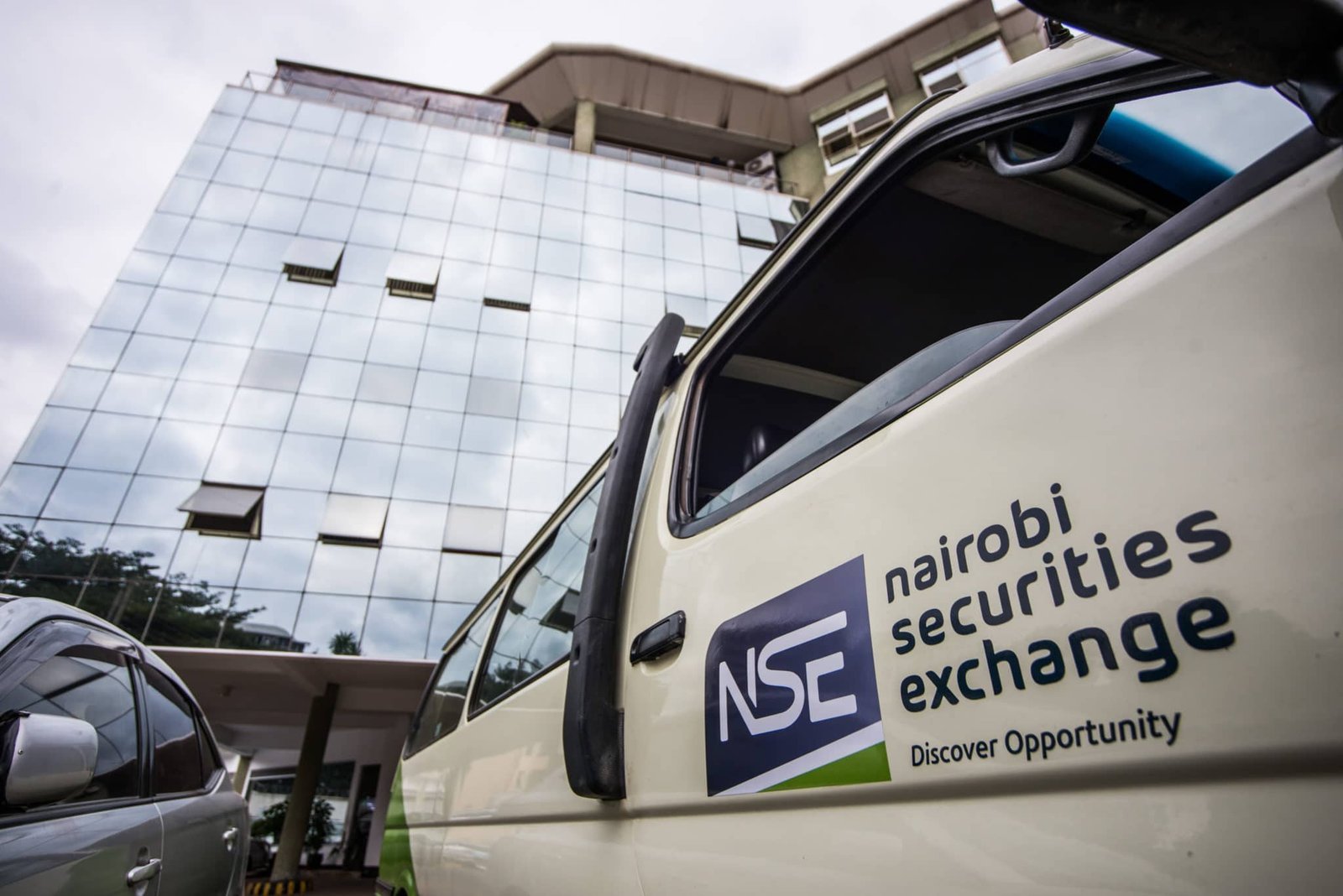
Investor wealth at the Nairobi Securities Exchange (NSE) has been cut in half since its peak valuation of Sh2.9 trillion exactly two years ago, as foreign investors flee the market, sending shockwaves through the financial landscape.
Exactly on August 24, 2021, the stock market hit an unprecedented high, soaring to a record valuation of Sh2.94 trillion, buoyed by a remarkable surge in Safaricom’s share price, which reached an all-time pinnacle of Sh44.95.
However, the momentum has since reversed, with Safaricom’s shares plummeting to Sh15.95 per share, dragging down the entire market with it. This downturn has led to a cascading effect, resulting in the market witnessing a staggering paper loss of Sh1.38 trillion since its zenith. This downturn has eroded investor portfolios, leaving them with a cumulative worth of Sh1.56 trillion, underscoring the inherent risk of relying heavily on a few influential stocks to drive the NSE.
The drastic decline in valuation is expected to cast a shadow over the prospects of attracting new investors to the capital markets, which are pivotal for revitalizing the market’s vitality. The profound impact is also being felt by institutional investors, including pension funds and insurers, whose equity-based investments have incurred substantial setbacks.
High net-worth individuals, many of whom are founders of listed companies, are also grappling with substantial losses amounting to billions of shillings. The primary driver behind this plummeting performance is the notable exodus of foreign investors, lured by higher interest rates in more developed markets. This shift underscores the mounting opportunity cost associated with investing in developing and emerging markets.
Ronnie Chokaa, an analyst at Genghis Capital, a prominent investment bank, noted, “This downward spiral underscores the vulnerability of a concentrated market. The entire market’s perception can be overshadowed by the performance of a single stock or a handful of counters, often masking the potential successes of other entities.”
With foreign investors wielding significant influence over daily trading at the NSE, the concentrated market dynamic leaves it susceptible to external forces, including the global capital flight towards Western markets.
Two years ago, the top five companies on the NSE – Safaricom, Equity Group, EABL, KCB, and Co-operative Bank – commanded 80% of the market’s total valuation. However, this share has now dwindled to 67.8%, largely due to the price erosion of these shares driven by net sales worth Sh50.3 billion executed by foreign investors within the same period.
Safaricom, which ranks as the NSE’s largest listed company in terms of market capitalization and issued shares (40.06 billion), has suffered a staggering drop in valuation amounting to Sh1.17 trillion over the 222222past two years, currently standing at Sh631 billion. Remarkably, this accounts for 85% of the cumulative paper losses incurred during this time span.
Banking stocks have similarly contributed to the market capitalization hemorrhage, registering losses totaling Sh129 billion. Notable contributors include KCB (Sh73.9 billion), Equity Group (Sh51.1 billion), and Co-operative Bank (Sh14.3 billion).
In addition, industries such as investments, energy, construction, commerce, and services have all witnessed valuation declines, constricting investment opportunities and dampening demand.
Amid this turbulence, agriculture stocks have defied the market’s pessimism, accruing a collective gain of Sh4 billion. The dip in share prices, however, has elevated the dividend yields of these companies, rendering them enticing to new investors seeking consistent returns and future capital appreciation.
Unfortunately, the ongoing portfolio outflows that have fueled the market decline are unlikely to abate in the near term. Recent interest rate hikes in the UK, the EU, and the US, driven by lingering inflation concerns, have perpetuated the allure of higher returns on their financial assets.
Simultaneously, the persistent weakening of the Kenyan shilling against major currencies has undermined the attractiveness of portfolio investments in the country due to the potential exchange losses for foreign investors upon exit.
Moreover, anxieties regarding the availability of dollars stemming from an inefficient interbank market have compounded the challenges faced by foreign investors.
The situation continues to evolve, and experts remain vigilant about potential strategies to restore investor confidence and market stability.
Photo Source : Google
August 28, 2023
Delino Gayweh
Serrari Financial Analyst