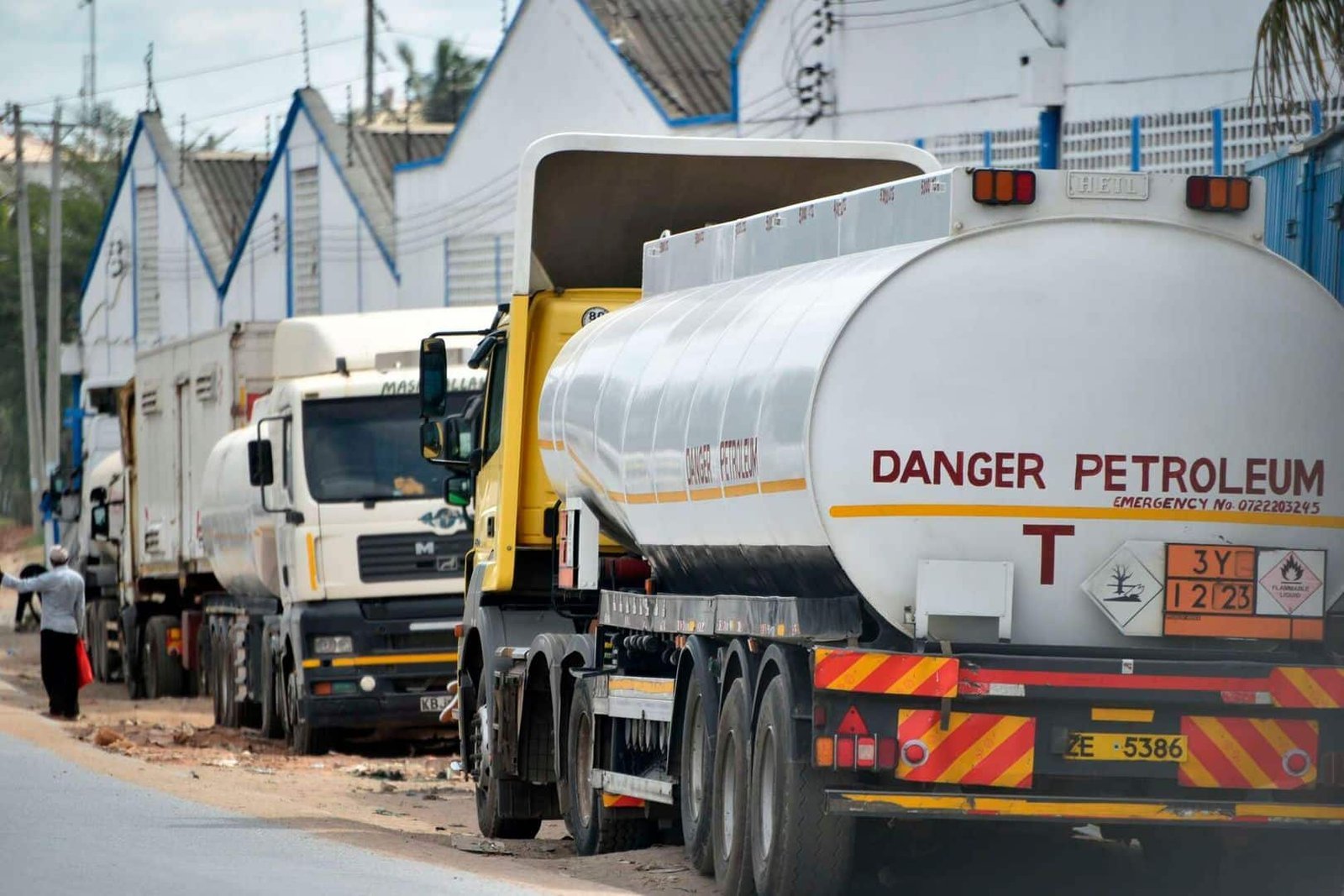
Kenya has raised the bond fee for fuel imports destined for Uganda, doubling it from $15 million to $45 million at the Vitol Tank Terminal International (VTTI) in Mombasa. This move, aimed at securing tax revenue in case imported fuel meant for transit is diverted to local markets, poses a significant challenge to Uganda’s efforts to reduce fuel costs.
Uganda’s Energy and Mineral Resources minister, Ruth Nankabirwa, expressed concern over the impact of this increase, anticipating higher pump prices in Kampala as a result. The delayed adjustment by banks issuing bonds to reflect this higher fee is expected to increase demurrage charges and, subsequently, consumer costs in Uganda.
This development underscores ongoing tensions between Kenya and Uganda, exacerbated by Kenya’s recent shift to government-backed fuel importation agreements with Gulf oil majors. Uganda, meanwhile, has sought to lower fuel prices by importing directly, citing inefficiencies and high costs associated with Kenya’s existing distribution channels.
President Yoweri Museveni previously criticized Kenya’s fuel import structure, attributing high costs to intermediaries. The recent increase in bond fees at VTTI is the latest in a series of disputes that include delays in licensing UNOC and disagreements over trade conditions.
As both countries navigate these challenges, the future of regional energy dynamics remains uncertain, pending further diplomatic negotiations and policy developments.
Photo source: Google
By: Montel Kamau
Serrari Financial Analyst
9th July, 2024