In a significant move that highlights the shifting dynamics of global resource security and U.S. trade policy, Japan’s Mitsubishi Corporation has announced a major investment in an American copper project. The company will acquire a 30% stake in the Copper World project in Arizona from Canada’s Hudbay Minerals for a total of $600 million. This marks Mitsubishi’s first direct investment in a U.S. copper mine in 45 years, a period punctuated by the U.S. government’s recent imposition of steep tariffs on semi-finished copper products.
Push boundaries, reach goals, achieve more. Whether it’s ACCA, HESI A2, ATI TEAS 7, HESI EXIT, NCLEX-RN, NCLEX-PN, or Financial Literacy, we’ve got the Online course to match your ambition. Start with Serrari Ed now.
The deal, announced on August 14, 2025, comes at a pivotal moment for the global copper market. As the world pushes forward with the green energy transition, demand for the red metal is surging, while supply faces numerous challenges. This strategic partnership not only provides a financial boost for the Copper World project but also secures a crucial supply of a “Made-in-America” critical mineral for Mitsubishi’s sprawling industrial and manufacturing network.
A Strategic Alliance: The Mitsubishi-Hudbay Partnership
The core of the transaction is a $600 million investment that solidifies a long-term strategic partnership between two major players in the mining sector. Mitsubishi’s investment is structured with an initial payment of $420 million for the equity stake, followed by an additional $180 million as a matching contribution toward development costs within 18 months. Beyond this initial outlay, Mitsubishi will also fund its pro-rata share of all future capital contributions.
For Hudbay Minerals, this deal is a game-changer. The Toronto-based company, which has a rich history dating back to 1927, has been working for years to advance the Copper World project. The investment from Mitsubishi dramatically reduces Hudbay’s financial burden, with its estimated share of the remaining capital contributions for the first phase of development dropping to approximately $200 million. This partnership provides the financial stability needed to move the project from its current stage to a final investment decision.
Peter Kukielski, Hudbay’s President and Chief Executive Officer, underscored the importance of the alliance, stating that securing Mitsubishi as a partner is a “significant milestone” in the journey to bring the project to fruition. He noted that the partnership establishes a solid foundation for advancing the high-quality copper project, which is a key part of Hudbay’s portfolio, which also includes active mines in Peru and Canada.
The Copper World Project: Fully Permitted, But Not Without Challenge
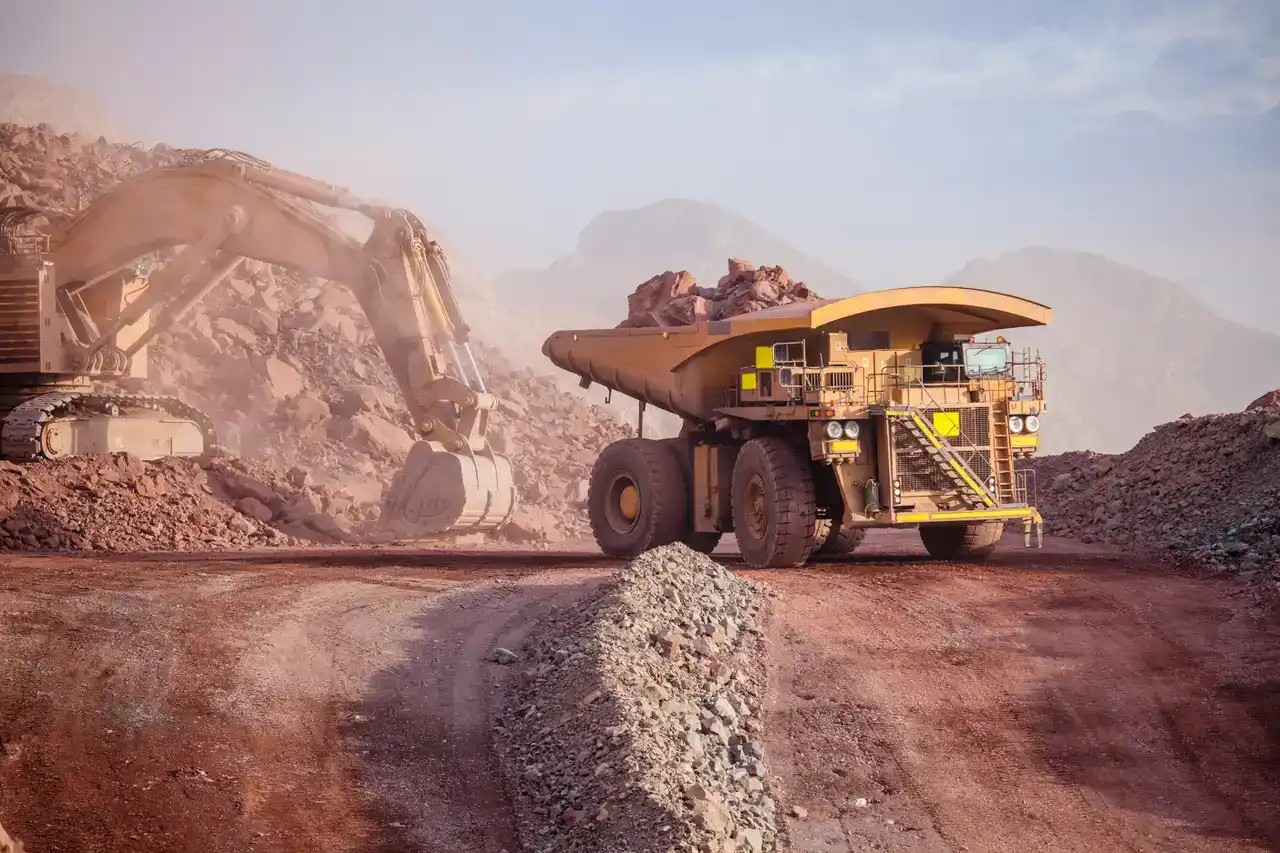
Located near Tucson, Arizona, the Copper World project is a fully-permitted open-pit mine that has been years in the making. The project has a planned mine life of approximately 20 years, with the potential for further expansion. It is expected to produce an average of 85,000 tonnes of copper annually, with higher output in the initial years, making it a substantial contributor to the U.S. domestic supply chain.
The project is the successor to the highly contentious Rosemont Copper project, which faced decades of legal battles and regulatory hurdles. Hudbay acquired the project and successfully navigated the complex permitting process, securing crucial approvals from the Arizona Department of Environmental Quality (ADEQ) for both air quality and aquifer protection. This is a critical detail, as it de-risks the project significantly and allows for a clear path to construction.
However, the road ahead is not entirely smooth. The project continues to face appeals and legal challenges from local community and environmental groups, such as “Save the Scenic Santa Ritas” and the “Center for Biological Diversity.” These groups argue that the permits fail to adequately address concerns about air pollution, water quality, and the impact on the local ecosystem. The history of mining in Arizona is deeply intertwined with environmental and social issues, and these ongoing challenges are a reminder of the delicate balance between economic development and ecological preservation.
Despite the legal appeals, the economic benefits of the project are undeniable. Hudbay’s plan for a $1.5 billion capital investment is projected to create more than 1,000 jobs during the construction phase and 400 direct, high-paying jobs once the mine is operational. The project is also expected to support up to 3,000 indirect jobs in the surrounding area, providing a substantial boost to the local economy.
The Global Copper Crunch: Demand and Supply in the Green Energy Era
The timing of this investment is no coincidence. The global copper market is in a state of unprecedented flux, driven primarily by the worldwide push for renewable energy and decarbonization. Copper is a foundational element in this transition, earning its nickname as the “metal of electrification.” It is a vital component in electric vehicles (EVs), renewable energy facilities, and the massive electrical infrastructure needed to support them.
According to research from groups like the International Energy Agency (IEA), global copper demand is on a steep upward trajectory. The global copper market, which was valued at approximately $241.88 billion in 2024, is projected to grow to an astonishing $339.95 billion by 2030, representing a compound annual growth rate (CAGR) of 6.5%. The major drivers include:
- Electric Vehicles: An average EV uses more than three times the amount of copper as a traditional internal combustion engine vehicle.
- Renewable Energy: Copper is essential for cabling, transformers, and other components in solar panels and wind turbines. The expansion of these facilities requires vast amounts of the metal.
- Data Centers & 5G: The proliferation of data centers, cloud computing, and next-generation telecommunications infrastructure all rely on copper’s superior electrical conductivity.
This surging demand is creating a significant supply-side challenge. The global mining industry is struggling to keep pace due to a combination of factors, including declining ore grades, rising geopolitical instability in key mining regions, and lengthy permitting and development timelines for new projects. The supply-demand gap is projected to widen over the next decade, a dynamic that is expected to keep copper prices elevated and make new, stable sources of supply—like the Copper World project—incredibly valuable.
Build the future you deserve. Get started with top-tier Online courses in ACCA, HESI A2, ATI TEAS 7, HESI EXIT, NCLEX-RN, NCLEX-PN, and Financial Literacy. Let Serrari Ed guide your path to success. Enroll today.
The Trump Administration’s Tariffs and a ‘Made-in-America’ Narrative
The Mitsubishi-Hudbay deal unfolds against the backdrop of the Trump administration’s aggressive trade policy, which has recently targeted the copper market. On July 30, the White House announced a universal 50% tariff on imports of semi-finished copper and copper-based products, effective August 1.
The rationale for the tariffs, as outlined by the administration, is rooted in a Section 232 investigation that determined that copper imports threaten to impair U.S. national security. The government’s position is that decades of unfair trade practices by foreign competitors and overly burdensome environmental regulations have hollowed out the domestic copper smelting, refining, and fabrication sectors. The tariffs are intended to reverse this trend, boost domestic production, and strengthen critical supply chains.
The tariffs are designed to protect the U.S. copper processing industry, not necessarily the raw materials market. Refined copper that has not yet been processed into wires, tubes, or other products is exempt from the new duties. This distinction is important and suggests a focus on revitalizing U.S. manufacturing capacity and reducing the nation’s reliance on foreign-produced goods. The Copper World project, with its potential to produce “Made-in-America” copper cathode that could be sold entirely to domestic customers, fits perfectly within this new protectionist framework.
Arizona’s Legacy as the Copper State
For Arizona, this project is a continuation of a long and proud history as a mining powerhouse. Copper is one of the state’s famous “Five Cs” of its foundational economy, alongside cattle, cotton, citrus, and climate. The legacy of mining is literally etched into the landscape and is celebrated on the Great Seal of the State. Arizona accounts for roughly 70% of the United States’ total copper mine production, making it the undisputed leader in the nation.
The history of copper mining in the state dates back centuries, with ancient peoples and later Spanish explorers using the metal. However, it was not until the arrival of the railroad in the late 19th century that large-scale industrial mining became economically viable. The state’s rich porphyry copper deposits, which are large, low-grade ore bodies, made it a prime location for the development of massive open-pit mines. This shift from small-scale prospecting to large-scale operations transformed Arizona’s economy and fueled its population growth.
Today, while the industry remains vital, it operates under intense scrutiny. Environmental concerns, water usage, and the impact on Native American tribal lands are all major issues that mining companies must navigate. The modern mining industry in Arizona, including projects like Copper World, operates in a world vastly different from its early days, with a new emphasis on environmental responsibility and community engagement, even as it continues to face legal and public opposition.
Mitsubishi’s Broader Global Strategy
For Mitsubishi, this Arizona investment is a logical and strategic move. As one of Japan’s largest trading and investment companies, it has a long-standing interest in securing stable supplies of key resources for its domestic industries. The company’s portfolio already includes interests in two operating copper mines in Peru and three in Chile, which together produced 329,000 tonnes of copper in 2024.
The Copper World project is expected to add up to 30,000 tonnes annually to this total, representing a nearly 10% increase in output. This brings Mitsubishi closer to its goal of exceeding 400,000 tonnes of copper production by 2030. By investing in a U.S.-based project, Mitsubishi is diversifying its supply chain away from regions that may be more exposed to political or logistical risks. This new partnership, particularly in a politically stable jurisdiction like Arizona, provides a crucial hedge against global market volatility and reinforces Japan’s broader strategy for long-term resource security.
The investment is a clear signal that the global quest for critical minerals is heating up. Major industrial nations, like Japan, are not only looking to traditional sources but are actively seeking to secure new supply in politically aligned and economically stable countries, even if it means navigating complex trade policies and legal landscapes.
Conclusion: A Timely Investment in a Volatile Market
Mitsubishi Corporation’s $600 million investment in the Copper World project is a powerful statement about the current state of the global business landscape. It is a testament to the strategic importance of copper in the green energy transition, the increasing value of stable, domestic supply chains, and the complex interplay between international trade, corporate strategy, and national security.
The partnership with Hudbay Minerals provides a clear path forward for a project that promises to deliver significant economic benefits to Arizona while helping to meet the world’s insatiable demand for a critical metal. As the final feasibility study progresses and the project moves toward a final investment decision in 2026, all eyes will be on this
Ready to take your career to the next level? Join our dynamic courses: ACCA, HESI A2, ATI TEAS 7 , HESI EXIT , NCLEX – RN and NCLEX – PN, Financial Literacy!🌟 Dive into a world of opportunities and empower yourself for success. Explore more at Serrari Ed and start your exciting journey today! ✨
Track GDP, Inflation and Central Bank rates for top African markets with Serrari’s comparator tool.
See today’s Treasury bonds and Money market funds movement across financial service providers in Kenya, using Serrari’s comparator tools.
Photo source: Google
By: Montel Kamau
Serrari Financial Analyst
14th August, 2025