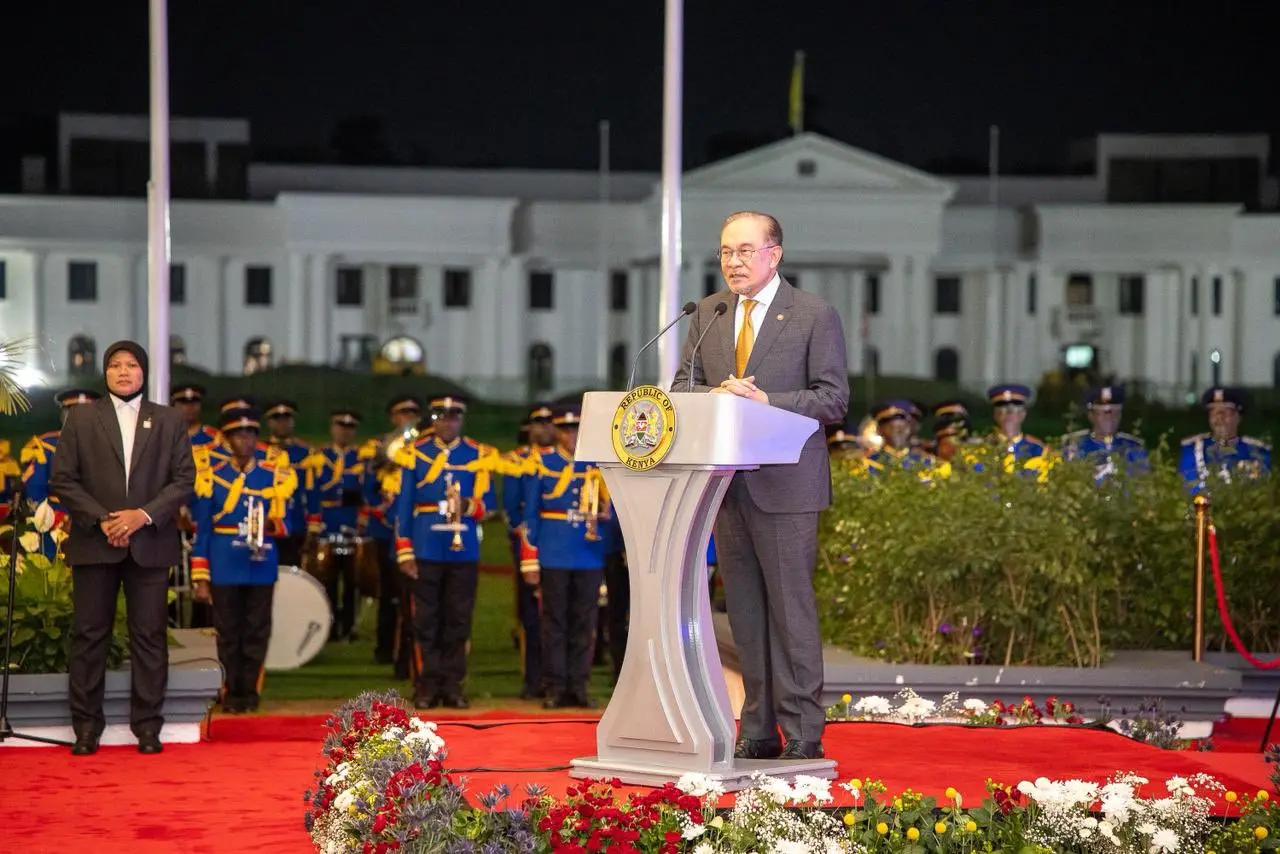
The Malaysian government has announced plans to make significant investments in Kenya’s ambitious affordable housing program, marking a new chapter in bilateral cooperation between the Southeast Asian nation and East Africa’s economic powerhouse. This strategic partnership, spearheaded by Kenyan President William Ruto and Malaysian Prime Minister Datuk Seri Anwar Ibrahim, represents a convergence of development goals and regional expertise that could transform Kenya’s housing landscape while opening new avenues for South-South cooperation.
During a comprehensive virtual press conference held on Saturday, October 23, 2025, Malaysia’s High Commissioner to Kenya, Ruzaimi Mohamad, formally announced that the Malaysian government would extend its cooperation and technical expertise to help Kenya achieve its ambitious housing goals by investing directly in President Ruto’s flagship affordable housing projects. This announcement comes at a critical juncture as Kenya seeks to address its substantial housing deficit while creating employment opportunities and stimulating economic growth through infrastructure development.
Build the future you deserve. Get started with our top-tier Online courses: ACCA, HESI A2, ATI TEAS 7, HESI EXIT, NCLEX-RN, NCLEX-PN, and Financial Literacy. Let Serrari Ed guide your path to success. Enroll today.
Malaysia’s Housing Success Story and Its Relevance to Kenya
“The Kenyan President is very active in leading affordable housing initiatives. Malaysia has a successful track record in similar projects that have helped many Malaysians become homeowners, and we can collaborate with Kenya to accomplish the same,” High Commissioner Ruzaimi stated during the press conference. His remarks underscore Malaysia’s confidence in its own housing development model and its applicability to the Kenyan context.
Malaysia’s experience in affordable housing dates back several decades, with the country implementing various programs that have successfully enabled millions of citizens to transition from renters to homeowners. The Malaysian government’s public housing initiatives have included innovative financing mechanisms, public-private partnerships, and strategic urban planning that President Ruto’s administration now seeks to adapt for Kenya’s unique demographic and economic circumstances.
The Southeast Asian nation has developed particular expertise in high-density urban housing solutions that maximize land use efficiency while maintaining quality standards—a model that could prove particularly valuable for Nairobi and other rapidly growing Kenyan cities facing acute land scarcity and urban sprawl challenges.
High-Level Visit to Cement Bilateral Partnership
High Commissioner Ruzaimi revealed that Malaysia’s Prime Minister, Datuk Seri Anwar Ibrahim, is scheduled to arrive in Kenya on Sunday, November 23, 2025, for an official state visit spanning several days. The Prime Minister is expected to land at Jomo Kenyatta International Airport at approximately 6:00 p.m. local time, bringing with him a high-powered delegation of ministers and business leaders signaling the seriousness with which Malaysia views this partnership.
Accompanying Prime Minister Anwar Ibrahim on this crucial visit will be Investment, Trade and Industry Minister Tengku Datuk Seri Zafrul Abdul Aziz, whose presence indicates Malaysia’s interest in broader trade and investment opportunities beyond housing, and the Minister in the Prime Minister’s Department of Federal Territories, Datuk Seri Dr. Zaliha Mustafa, whose expertise in urban development and territorial administration will be crucial for discussions on housing policy implementation.
The composition of the Malaysian delegation reflects a whole-of-government approach to the Kenya partnership, suggesting that this visit aims to establish long-term institutional frameworks rather than merely symbolic diplomatic gestures. Sources familiar with the preparations indicate that both governments have been working behind the scenes for several months to prepare comprehensive cooperation agreements that will be unveiled during the visit.
Expanding Beyond Housing: Digital Economy and Trade Opportunities
While affordable housing will be the centerpiece of discussions between President Ruto and Prime Minister Anwar Ibrahim, High Commissioner Ruzaimi emphasized that the bilateral talks would also explore substantial opportunities in Kenya’s burgeoning digital economy. He identified this sector as holding significant potential for Malaysian technology companies looking to expand their footprint in East Africa.
Kenya has established itself as a regional leader in digital innovation, with mobile money services like M-Pesa pioneering financial inclusion across the continent and Nairobi earning recognition as a major technology hub. Malaysian companies, particularly those specializing in fintech, e-commerce platforms, and digital infrastructure, could find ready opportunities to collaborate with Kenyan counterparts in serving the region’s young, increasingly connected population.
The digital economy discussions are expected to cover areas including:
- Cybersecurity cooperation and capacity building for government institutions
- Cloud computing infrastructure development to support Kenya’s digital transformation
- E-government solutions drawing on Malaysia’s experience with digital service delivery
- Educational technology partnerships to enhance digital literacy and skills development
- Cross-border e-commerce frameworks to facilitate trade between the two nations
Formal Agreements and Institutional Frameworks
During the Prime Minister’s official visit, President Ruto and Prime Minister Anwar Ibrahim will hold a bilateral meeting at State House in Nairobi, during which they will witness the exchange of multiple memoranda of understanding and cooperation agreements that have been negotiated over recent months. These formal agreements will provide the legal and institutional frameworks necessary for implementing the announced partnerships.
Among the agreements to be signed are those related to tourism cooperation, recognizing both nations’ aspirations to grow their tourism sectors and the potential for mutual promotion. Kenya’s renowned safari tourism and coastal attractions could be marketed to Malaysia’s growing middle class, while Malaysian cultural and eco-tourism offerings could attract Kenyan travelers.
Particularly significant is the planned agreement between Kuala Lumpur City Hall and the Nairobi City Council, which will establish sister-city relationships and enable direct cooperation between municipal authorities on urban planning, waste management, public transportation, and other city governance challenges. This city-to-city partnership could provide Nairobi with valuable insights from Kuala Lumpur’s experience managing rapid urbanization while maintaining livability and environmental sustainability.
One decision can change your entire career. Take that step with our Online courses in ACCA, HESI A2, ATI TEAS 7, HESI EXIT, NCLEX-RN, NCLEX-PN, and Financial Literacy. Join Serrari Ed and start building your brighter future today.
Education, Business, and Community Engagement
The Malaysian Prime Minister’s itinerary during his Kenyan visit extends well beyond government-to-government meetings, encompassing educational institutions, business forums, and community engagement that demonstrate the multifaceted nature of the developing partnership.
Prime Minister Anwar Ibrahim will attend the Malaysia-Africa Higher Education Forum in Nairobi, where he will deliver the keynote address and officially open the program. This forum represents an important platform for strengthening educational ties between Malaysia and African nations, with discussions expected to cover student exchange programs, research collaborations, and the recognition of academic qualifications across borders.
The Prime Minister will also give a keynote address at the Malaysia-Kenya High-Level Business Forum, an event expected to attract approximately 200 representatives from Malaysian and Kenyan companies across various sectors. This forum will provide a structured opportunity for business leaders to explore joint ventures, investment opportunities, and trade partnerships that can translate the political goodwill into concrete economic outcomes.
In the agricultural sector, the Prime Minister is scheduled to meet with a Kenyan company interested in establishing investment cooperation with a Malaysian firm. Agriculture remains a critical sector for both economies, and collaboration could span areas such as palm oil processing, tropical fruit exports, agricultural technology transfer, and sustainable farming practices.
Recognizing the importance of people-to-people connections, Prime Minister Anwar Ibrahim will also engage with leaders of Kenya’s Islamic community and representatives from the Jamia Mosque in Nairobi. These engagements reflect the cultural and religious ties that bind the two nations and the role that faith-based institutions can play in fostering mutual understanding and cooperation.
Additionally, the Prime Minister will attend a luncheon with Malaysians residing in Kenya, including alumni of the Malaysian Technical Cooperation Programme (MTCP), a short-term training initiative offered by the Malaysian government to developing countries worldwide. Many Kenyan professionals and government officials have benefited from MTCP training over the years, creating a network of individuals familiar with Malaysian systems and approaches who can facilitate deeper cooperation.
Drawing Inspiration from Asian Economic Success Stories
President William Ruto has been vocal about his admiration for the economic transformation achieved by Asian nations, particularly the so-called “Asian tigers” that rapidly industrialized and developed in recent decades. During his State of the Nation address on November 20, 2025, the President specifically mentioned the upcoming visit by Malaysia’s Prime Minister and highlighted that Kenya’s affordable housing program draws inspiration from the successful models implemented in Singapore and Malaysia.
The Asian tiger economies—typically referring to Hong Kong, Singapore, South Korea, and Taiwan, with Malaysia often included as a second-tier tiger economy—achieved remarkable economic growth through export-oriented industrialization, substantial investment in education and infrastructure, and pragmatic economic policies that balanced market mechanisms with strategic government intervention.
President Ruto has expressed particular interest in replicating Singapore’s highly successful public housing model, which has enabled approximately 80% of Singapore’s population to live in affordable public housing through a system that combines government-built housing with mandatory contributions to the Central Provident Fund. Under Singapore’s model, citizens use their retirement savings contributions to purchase their homes, creating a pathway to homeownership while building long-term wealth.
The Kenyan government’s housing strategy incorporates elements of this approach, with the affordable housing levy requiring employers and employees to contribute funds that workers can later use to access affordable housing. However, Kenya faces unique challenges that Singapore and Malaysia did not encounter, including a much larger population, more limited fiscal resources, significant informal settlement populations, and the need to balance urban and rural development priorities.
Kenya’s Ambitious Housing Targets and Implementation Challenges
The Kenyan government has set an ambitious target of constructing 200,000 housing units annually to address the country’s substantial housing deficit, which various estimates place at between 2 million and 3 million units. This deficit has contributed to the proliferation of informal settlements, overcrowding in urban areas, and inflated rental costs that consume large portions of household incomes for many Kenyans.
President Ruto’s administration has made affordable housing one of its flagship initiatives under the broader economic transformation agenda. The program aims not only to provide shelter but also to create employment opportunities in construction and related industries, stimulate demand for building materials, and develop skills among Kenyan workers.
The government has reserved special provisions within the housing program for specific groups, including a pledge to allocate 20% of affordable housing units to teachers, recognizing the important role educators play in national development and addressing concerns about teacher welfare and motivation.
Implementation of the housing program has faced various challenges, including:
- Securing adequate and appropriately located land for housing developments
- Ensuring affordability while maintaining quality construction standards
- Developing the necessary infrastructure—including water, sewerage, electricity, and roads—to support new housing estates
- Addressing concerns about the housing levy and its impact on workers’ take-home pay
- Coordinating between national government, county governments, and private sector partners
- Managing the transition from informal settlements to formal housing without displacing vulnerable populations
Malaysia’s investment and technical cooperation could help address some of these challenges by bringing capital, construction expertise, project management capabilities, and lessons learned from Malaysia’s own housing development experience.
Regional and Continental Implications
The Malaysia-Kenya housing partnership has implications that extend beyond the two countries, potentially serving as a model for South-South cooperation in infrastructure development. As African nations seek to address housing deficits and urbanization challenges, successful partnerships with Asian countries that have navigated similar development challenges could provide valuable templates.
The partnership also aligns with broader continental initiatives such as the African Union’s Agenda 2063, which envisions prosperous African nations with modern infrastructure and decent housing for all citizens. By demonstrating that African countries can attract substantial investment and technical cooperation from Asian partners for major development projects, the Kenya-Malaysia collaboration could encourage similar partnerships across the continent.
For Malaysia, deeper engagement with Kenya and other African nations represents an opportunity to diversify its economic partnerships, access new markets for Malaysian goods and services, and position itself as a development partner offering alternatives to traditional Western aid and investment models or Chinese Belt and Road Initiative projects that have sometimes raised concerns about debt sustainability.
Looking Ahead: From Announcements to Implementation
As Prime Minister Anwar Ibrahim’s visit approaches, attention will shift from the announcement of intentions to the specifics of implementation. Key questions that will need to be addressed include:
- The scale of Malaysian financial investment in Kenyan housing projects
- The specific housing developments that will receive Malaysian investment and expertise
- Technology transfer arrangements and capacity building for Kenyan construction firms
- Financing mechanisms for homebuyers and the role of Malaysian financial institutions
- Quality standards and sustainability requirements for housing construction
- Timelines for delivering completed housing units to Kenyan families
- Mechanisms for monitoring implementation and ensuring accountability
The success of this partnership will ultimately be measured not by the memoranda of understanding signed or the diplomatic rhetoric exchanged, but by the number of Kenyan families who gain access to quality, affordable housing through this collaboration. As both countries move from vision to execution, the coming months will be critical in translating goodwill and shared objectives into tangible development outcomes.
The Kenya-Malaysia partnership in affordable housing represents an important moment in South-South cooperation, bringing together an African nation with ambitious development goals and an Asian nation with relevant experience and resources. If successful, this collaboration could not only help address Kenya’s housing challenges but also provide a replicable model for how developing countries can work together to achieve shared development objectives while reducing dependency on traditional development assistance from wealthy nations.
As President Ruto continues to look eastward for development partnerships and Prime Minister Anwar Ibrahim seeks to expand Malaysia’s engagement with Africa, the affordable housing initiative serves as a flagship project that could define the relationship between these two nations for years to come and demonstrate the potential for mutually beneficial cooperation between Asia and Africa in the 21st century.
Ready to take your career to the next level? Join our Online courses: ACCA, HESI A2, ATI TEAS 7 , HESI EXIT , NCLEX – RN and NCLEX – PN, Financial Literacy!🌟 Dive into a world of opportunities and empower yourself for success. Explore more at Serrari Ed and start your exciting journey today! ✨
Track GDP, Inflation and Central Bank rates for top African markets with Serrari’s comparator tool.
See today’s Treasury bonds and Money market funds movement across financial service providers in Kenya, using Serrari’s comparator tools.
Photo source: Google
By: Montel Kamau
Serrari Financial Analyst
25th November, 2025