Kofa Technologies, a Ghanaian clean-tech startup, today announced it has raised US$8 million through a special purpose vehicle (SPV) led by impact investor PASH Global, with substantial backing from the Shell Foundation and the UK Government’s Transforming Energy Access (TEA) initiative. The new capital will fund the deployment of 6,000 portable batteries and up to 100 swap stations across Ghana, marking a significant step toward affordable, reliable, and clean energy access for electric two-wheelers, small businesses, and households (Tech In Africa).
A Model for Clean, Accessible Energy
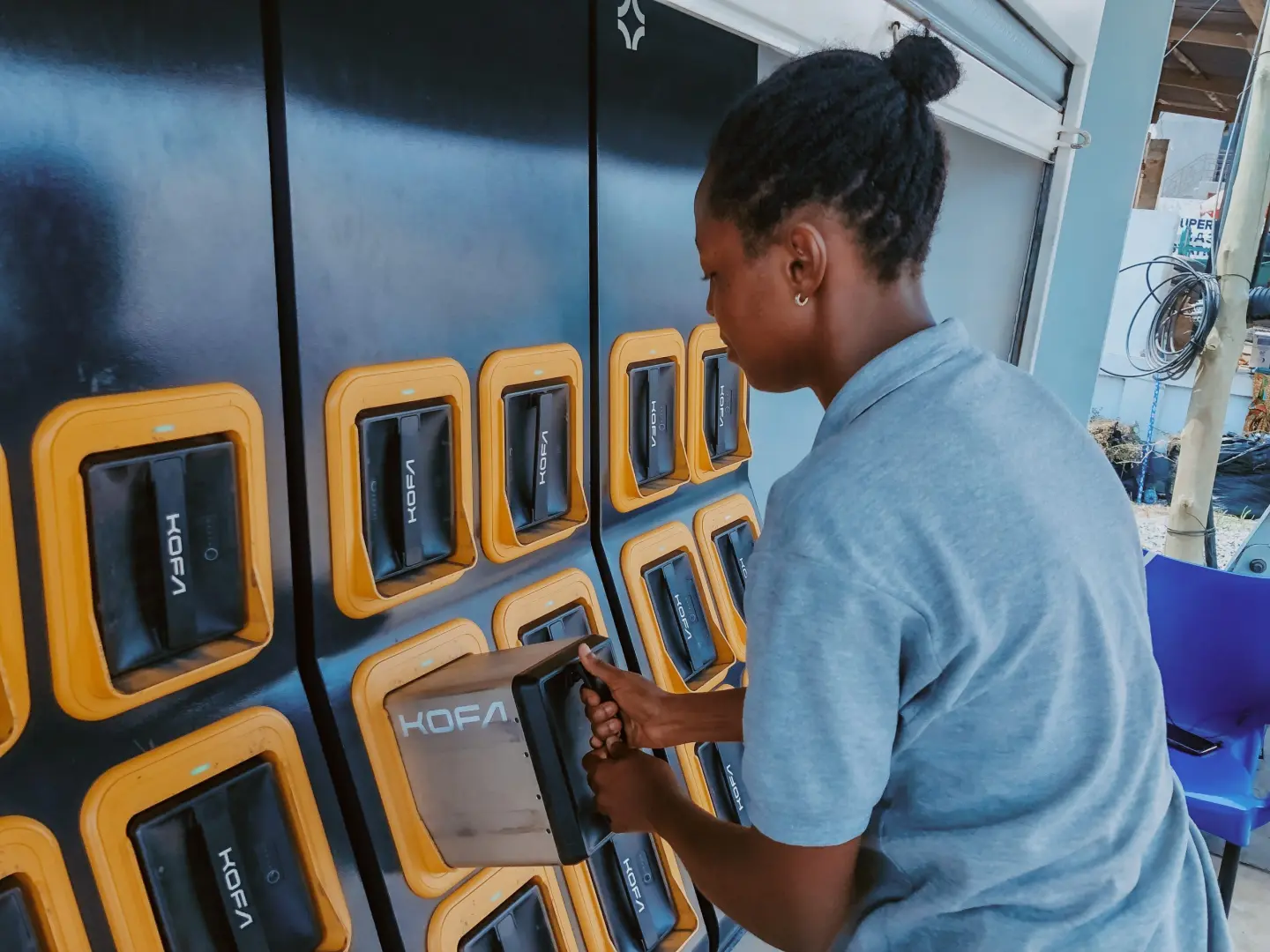
At the heart of Kofa’s strategy is its Battery-as-a-Service (BaaS) model: users subscribe via a mobile or web app to access fully charged, modular batteries that they can swap at designated stations. This approach eliminates high upfront costs, long charging times, and reliance on diesel generators—common pain points in many West African markets.
- Key applications: electric motorbike taxis (okadas), small retail kiosks, off-grid households
- User touchpoints: Android/iOS app, SMS integration for feature-phone users, and pay-as-you-go pricing
- Environmental impact: Each battery swap displaces up to 0.8 liters of diesel-equivalent emissions, reducing local air pollution and greenhouse-gas output.
Funding Round and SPV Structure
The US$8 million SPV comprises:
- US$3.25 million in equity
- US$4.315 million in debt
- US$590,000 in grants
† Equity led by E3 Capital and Injaro Investment Advisors
† Debt facilities structured by PASH Global
† Grants from the Shell Foundation and co-funded by the UK Government’s Transforming Energy Access platform (UrbanGeekz).
Partners in the Ecosystem
- PASH Global: A leading impact investor focused on financial inclusion and climate resilience, PASH oversees station deployment and operational maintenance.
- Shell Foundation: With a track record of over GBP 60 million invested in African energy access since 2015, the Foundation provides catalytic grants to spur market-building.
- Transforming Energy Access (TEA): The UK Government’s TEA initiative supports innovative off-grid energy solutions, contributing expertise in policy advocacy and technical assistance.
Ghana’s Energy and Mobility Backdrop
Ghana’s power sector has faced frequent outages—averaging 100 hours of downtime per year—forcing businesses and households to rely on diesel generators, which cost up to US$0.35 per kWh and emit noxious pollutants. By contrast, Kofa’s battery swaps offer clean electricity at approximately US$0.12 per kWh, delivering both cost savings and health benefits (The Guardian).
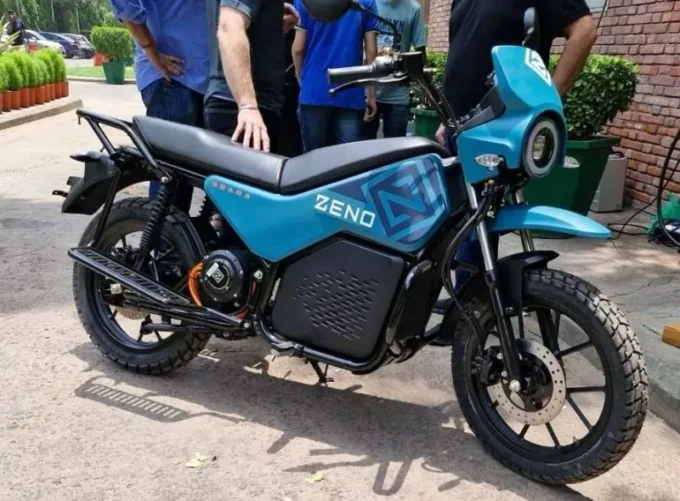
Meanwhile, the country’s urban two-wheeler market—estimated at 150,000 units in major cities—presents a prime use case for electric mobility. Replacing petrol-powered motorcycles with electric alternatives can lower operating costs by up to 40 percent, given that battery-swap fees average US$1 for 70 km of range (Markets and Data).
Regional Expansion: Kenya and Togo on the Horizon
Building on its Ghana pilot, Kofa plans to establish battery-swap networks in Kenya and Togo by early 2026. Both countries share similar challenges—unreliable grids, high diesel-generator use, and nascent EV ecosystems—making the BaaS model readily transferable.
- Kenya: Mobile-money integration (M-Pesa) and a growing e-motorbike fleet (>20,000 units) create fertile ground for Kofa’s platform.
- Togo: With only 40 percent electrification in rural areas, battery-swap stations near urban peripheries can catalyze electrified livelihoods for artisans and traders.
Scaling Infrastructure: Swap Stations and Logistics
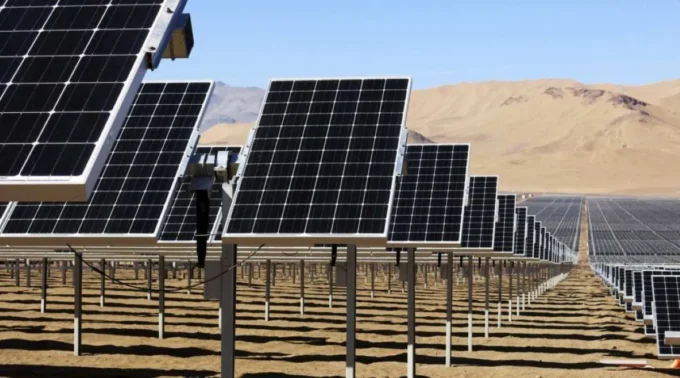
Each swap station functions as a micro-hub, equipped with solar panels, battery-management systems, and AI-driven forecasting tools to optimize inventory:
- Solar canopy: Off-grid power ensures stations remain operational during blackouts.
- Kore2 battery packs: Modular, high-density lithium-ion cells rated for 1,000 cycles before replacement.
- AI forecasting: Predicts usage patterns, reducing stockouts by up to 30 percent in pilot sites.
PASH Global’s logistics arm will roll out stations in key transit corridors—Accra-Kumasi, Tema-Ho—and manage a fleet of electric tricycles for last-mile swap-station servicing.
Market Dynamics and Growth Projections
The Africa electric-vehicle (EV) market is valued at US$17.41 billion in 2025 and is set to reach US$28.30 billion by 2030 (CAGR 10.2 percent) (Mordor Intelligence). Within this, battery swapping is emerging as a high-growth segment:
- Global swapping market: Valued at US$894.2 million in 2024 and projected to hit US$2.8 billion by 2029 (CAGR 25.5 percent) (BCC Research Blog).
- Middle East & Africa: Expected to reach US$127.9 million by 2030, growing at a CAGR of 19.4 percent from 2025–2030 (Grand View Research).
- Sub-Saharan e-two-wheelers: Market set to grow from US$554.7 million in 2023 to US$2,612.1 million by 2031 (CAGR 24.8 percent) (Markets and Data).
As urbanization accelerates—Africa’s urban population is forecast to reach 60 percent by 2050—the need for scalable, clean mobility solutions will intensify.
Social and Environmental Impact
Kofa’s network delivers more than just electrons:
- Job creation: Each swap station employs 5–7 locals, including technicians, customer-service agents, and logistics staff.
- Health benefits: Reduces particulate matter (PM₂.₅) emissions by 45 percent compared to diesel generators, improving respiratory outcomes in urban neighborhoods.
- Economic inclusion: Pay-as-you-go pricing allows low-income users to access electricity without burdensome deposits.
Technology Roadmap and Innovation
Looking ahead, Kofa is integrating next-generation features:
- Second-life batteries: Partnering with auto-OEMs to repurpose EV batteries for swapping, extending lifecycle value.
- Blockchain-based settlements: Piloting a ledger for transparent tracking of battery provenance and usage history.
- Grid services: Exploring vehicle-to-grid (V2G) functions, where idle batteries can supply peak-demand power back to the grid.
These innovations not only enhance cost efficiency but also pave the way for a circular-economy approach to battery management.
Competitive Landscape and Partnerships
While Kofa leads in Ghana, other players are emerging:
- Spiro: Operating 21,000 electric motorbikes across seven countries, with its own charging-swap network (EVreporter).
- Ampersand: Focused on Rwanda, deploying battery-swap stations for taxi operators.
- Local aggregators: Startups piloting solar-plus-swap kiosks in Nigeria and Côte d’Ivoire.
Kofa’s advantage lies in its end-to-end ecosystem—from battery design (the Kore2 pack) to AI logistics—and its robust SPV funding, which de-risks early-stage deployment.
Policy Enablers and Regulatory Context
Governments across West Africa are crafting EV-friendly policies:
- Ghana: Reduced import duties on EVs and exemption from road-use levies until 2027.
- Kenya: Drafting its first National Green Mobility Policy, aiming for 30 percent electrified public transport by 2030.
- Togo: Offering tax credits for renewable-energy investments, including micro-grids and battery stations.
By aligning station rollouts with utility-scale renewable projects, Kofa helps regulators meet clean-energy targets and advance sustainable-development goals.
Challenges and Mitigation Strategies
Despite robust plans, Kofa faces hurdles:
| Challenge | Mitigation |
| Hardware costs | Scale purchasing via SPV to negotiate lower cell-price contracts. |
| Grid unreliability | Solar-plus-storage at stations ensures continuous operation. |
| Consumer trust | Free trial swaps and community-based ambassadors drive adoption. |
| Regulatory delays | Partnerships with local trade associations expedite permitting. |
Strong governance and transparent reporting—mandated by SPV stakeholders—remain critical to sustaining momentum.
Looking Ahead: Milestones for 2025–2026
- Q3 2025: Complete roll-out of 100 swap stations in Greater Accra and Kumasi.
- Q4 2025: Launch in Nairobi with 50 stations and mobile-money integrations.
- Q2 2026: Expand to Lomé, Togo, bringing total network to 200 stations and 12,000 batteries.
- Mid-2026: Introduce a “Pay-As-You-Store” program, allowing users to pre-book charged batteries via SMS.
Each milestone builds toward Kofa’s vision of a pan-African swapping network, fostering an integrated, decarbonized mobility ecosystem.
Conclusion
Kofa’s US$8 million raise—anchored by PASH Global, the Shell Foundation, and the TEA initiative—underscores the burgeoning role of battery swapping in Africa’s clean-energy transition. By coupling cutting-edge technology with an inclusive business model, Kofa is not only lowering energy costs and cutting carbon but also driving socio-economic uplift in Ghana and beyond. As urban centers across West Africa grapple with grid unreliability and rising energy demand, scalable solutions like Kofa’s BaaS platform will prove indispensable in powering the continent’s sustainable future.
Ready to take your career to the next level? Join our dynamic courses: ACCA, HESI A2, ATI TEAS 7 , HESI EXIT , NCLEX – RN and NCLEX – PN, Financial Literacy!🌟 Dive into a world of opportunities and empower yourself for success. Explore more at Serrari Ed and start your exciting journey today! ✨
Photo Source: Google
By: Montel Kamau
Serrari Financial Analyst
27th May, 2025