Kenya’s Borrowing Spree: A Breakdown of the Loans
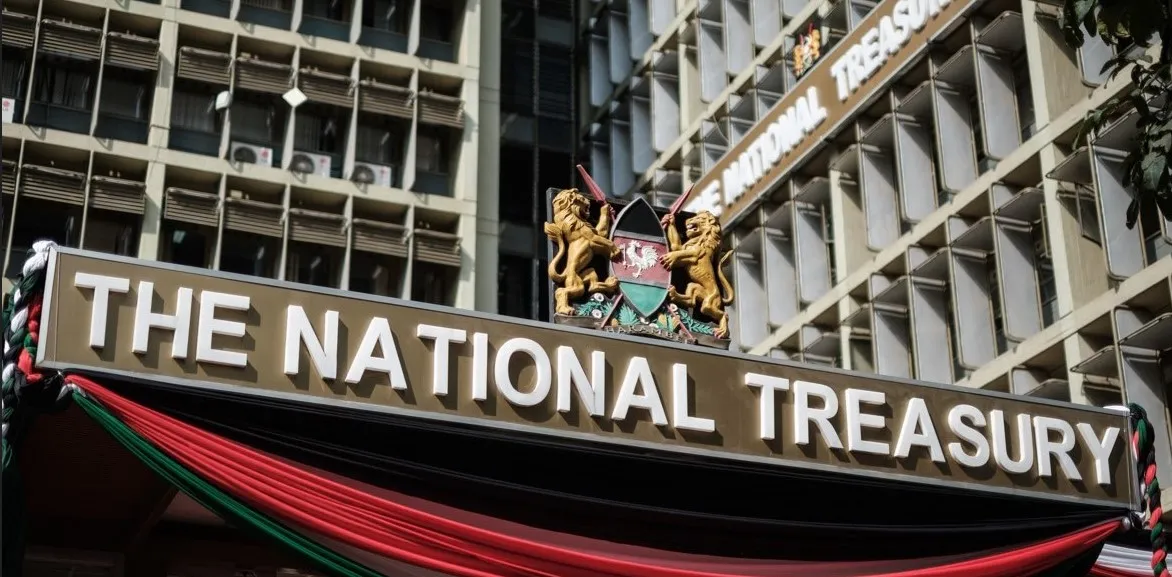
A report by the National Treasury, presented to Parliament, has revealed that the Kenyan government borrowed a total of Sh68.7 billion within a span of four months between September and December 2024. This translates to an alarming Sh23.83 million per hour and Sh397,292 per minute, indicating a fast-paced accumulation of debt in a short period.
The 18 newly secured loans were sourced from bilateral and commercial creditors, with three being euro-denominated and 15 obtained in Chinese yuan from the China Development Bank (CDB).
Loan Terms and Associated Costs
The report outlines varying interest rates and associated costs for the loans:
- Euro-denominated loans:
- Interest rates between 0.25% and 1.23% annually
- Annual commitment fees of 0.5% and an upfront fee of 0.25%
- China Development Bank (CDB) loans:
- A fixed annual interest rate of 4%
- An upfront fee of 0.5%
These loans, while supporting critical infrastructure and budgetary needs, have intensified concerns about Kenya’s rising debt burden, which has now exceeded Sh12 trillion.
Debt Sustainability: Rising Concerns
Kenya’s increasing reliance on debt comes at a time when revenue collection remains weak and the foreign exchange market remains volatile. According to Treasury data, the country’s debt servicing obligation for the 2024/25 financial year is Sh1.85 trillion, a figure that underscores the heavy repayment burden on government finances.
Impact on Debt-to-GDP Ratio
In October 2023, the Kenyan Parliament replaced the Sh10 trillion debt ceiling with a new debt anchor set at 55% of GDP in net present value terms. However, the current debt-to-GDP ratio stands at 62%, meaning Kenya has exceeded the target and is unlikely to meet the 55% goal before 2029.
This debt trajectory has sparked concerns over creditworthiness and potential debt distress, raising alarms among economic analysts, investors, and international financial institutions.
How the Borrowed Funds Will Be Used
Despite concerns, the Kenyan government has justified the new borrowings, stating that they will be used for critical national development projects spanning energy, climate change, cyber security, and infrastructure.
1. Energy and Climate Finance
A Sh20.3 billion loan from Italy has been allocated to fund:
- Stabilization of the economy
- Reduction of greenhouse gas emissions
- Climate-related institutional reforms
- Urban transport, forestry, and sustainable land use projects
The loan, with an annual interest rate of 1.23%, will be repaid between 2032 and 2045.
Additionally, Germany has provided Sh8.1 billion under the Kenya Reform Financing initiative to promote Kenya’s transition to a greener, more resilient economy in alignment with the Bottom-Up Economic Transformation Agenda.
2. Cybersecurity and National Control Systems
A Sh4.6 billion loan from France will go towards constructing a cyber-resilient National System Control Centre (NSCC) for the electricity grid. The facility will:
- Enhance national grid security
- Improve resilience against cyber threats
- Increase efficiency in energy distribution
This loan will be repaid between July 2030 and January 2045 at an interest rate of 0.8% per year.
3. Infrastructure Development: Roads and Transport
The bulk of the China Development Bank (CDB) loans will be directed towards infrastructure projects, particularly roads, across multiple counties.
Key projects include:
a) Roads in Rift Valley Region
- Barpello-Tot-Sigor-Marich Pass (B17) road – Sh4.6 billion
- Tot Junction-Chesegon-Kopasi River road – Funded under the same package
b) Roads in Kisii and Nyamira Counties
- Sh3.61 billion allocated for road projects
- Repayment period: 2027 to 2031
c) Roads in Elgeyo Marakwet County
- Kinyach-Arror-Kapsowar road – Sh3.45 billion for upgrading to bitumen standard
d) Roads in Uasin Gishu County
- Various road upgrades – Sh3.92 billion
e) Roads in Nandi County
- Timboroa-Meteitei-Kopere road and access roads to public institutions – Sh2.6 billion
f) Roads in Kiambu County
- Upgrading of Kiambu-Raini, Kaspat Road, and Gachie-Kabuku Loop Road – Sh2.3 billion
g) Roads in Makueni, Nyandarua, and Taita Taveta Counties
- Tawa-Nguluni road (Makueni) – Sh1.9 billion
- Nyandarua road projects – Sh1.5 billion
- Spot improvement of Cess (Nghonji)-Rekeke-Lake Jipe road (Taita Taveta) – Sh1.1 billion
These road projects aim to boost regional connectivity, enhance trade efficiency, and improve transportation for millions of Kenyans.
Kenya’s Borrowing Strategy: What’s Next?
The government insists that these loans are necessary to sustain economic growth and fund critical development projects. However, economic experts warn that the high cost of debt servicing and slow economic growth could pose long-term risks.
Potential Risks and Challenges
- Increased Debt Servicing Burden – Repayments could strain future budgets, limiting spending on healthcare, education, and other social services.
- Depreciation of the Kenyan Shilling – Fluctuations in currency value could make foreign-denominated loans more expensive.
- Taxpayer Burden – Kenyans may face higher taxes to finance loan repayments.
- Investment Climate Concerns – Rising debt may deter foreign investors concerned about Kenya’s economic stability.
Possible Solutions
To mitigate these risks, economic analysts recommend:
- Enhancing revenue collection through improved tax administration and widening the tax base.
- Reducing dependency on external borrowing by prioritizing domestic financing.
- Improving public financial management to ensure efficient use of borrowed funds.
- Encouraging Public-Private Partnerships (PPPs) to finance infrastructure projects without excessive reliance on debt.
Conclusion
Kenya’s borrowing spree has intensified debates over debt sustainability and fiscal management. While the loans are funding critical infrastructure, climate initiatives, and cybersecurity projects, the country must strike a balance between development and financial prudence.
As Kenya inches closer to 2029, when the government hopes to meet its debt anchor of 55% of GDP, tight fiscal discipline, enhanced revenue collection, and efficient spending will be crucial in averting a potential debt crisis.
The question remains: Can Kenya manage its rising debt while ensuring sustainable economic growth? Only time will tell.
Ready to take your career to the next level? Join our dynamic courses: ACCA, HESI A2, ATI TEAS 7 , HESI EXIT , NCLEX – RN and NCLEX – PN, Financial Literacy!🌟 Dive into a world of opportunities and empower yourself for success. Explore more at Serrari Ed and start your exciting journey today! ✨
photo source: Google
By: Montel Kamau
Serrari Financial Analyst
18th February, 2025