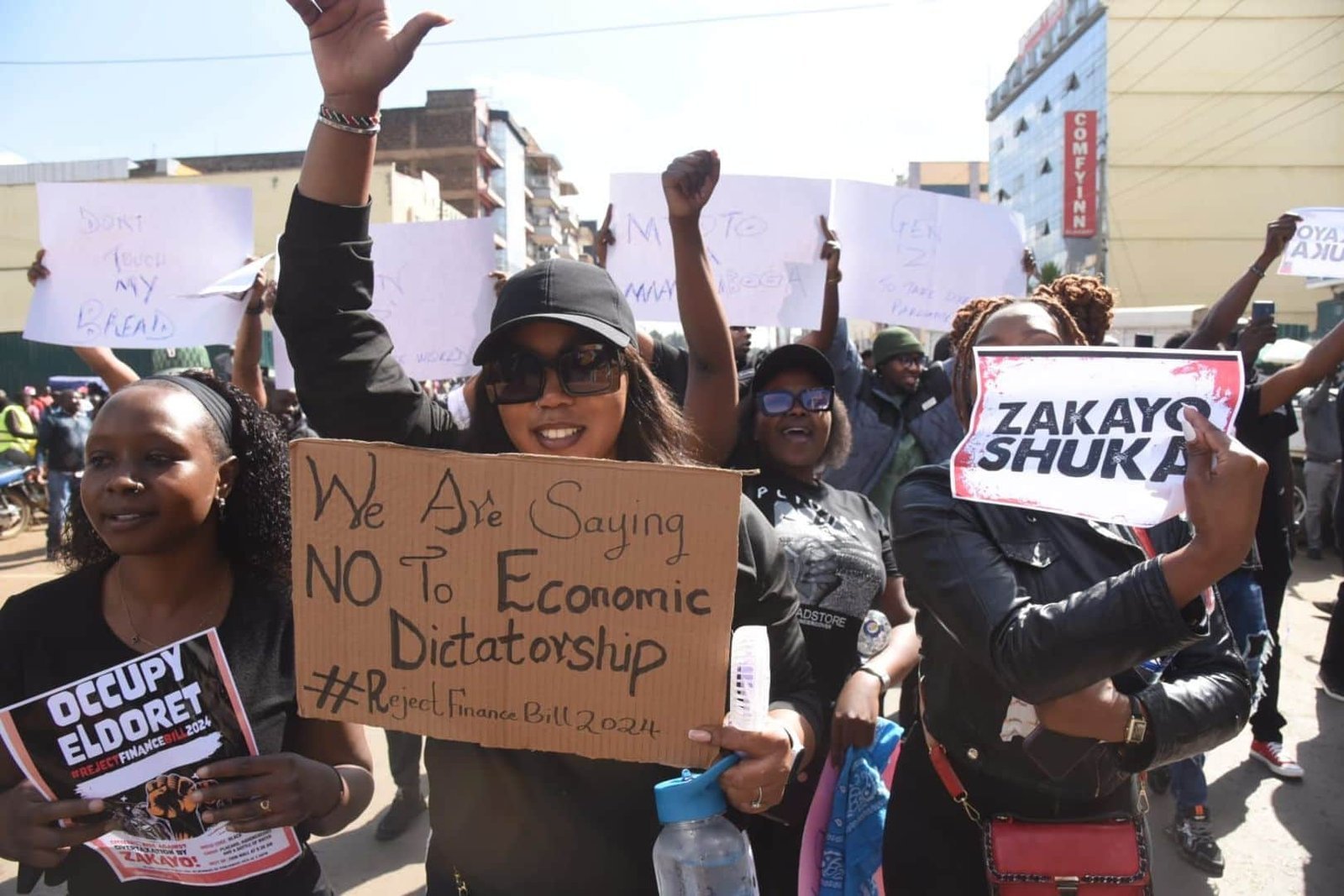
Kenya’s economic prospects are under scrutiny as the country grapples with recent anti-government protests that disrupted business activities across major cities. Spanning from June 18 to June 27, these protests have heightened concerns about Kenya’s economic stability, impacting investor confidence and leading to a 0.29 percent depreciation of the Kenyan shilling.
The protests have exacerbated existing challenges faced by the government, particularly in meeting the conditions set by the International Monetary Fund (IMF) under its Extend Credit Facility and Extended Fund Facility programs. These conditions are crucial for Kenya’s debt sustainability amid ongoing calls for President Ruto’s resignation.
Financial Implications and Market Sentiment
Analysts from Stears, a leading pan-African market insights firm, foresee continued economic turbulence in Kenya. Reduced capital inflows have strained foreign exchange reserves, limiting the central bank’s ability to stabilize the currency. Additionally, yields on Kenya’s sovereign dollar bonds have declined to a five-month low, reflecting waning investor confidence amidst the unrest.
Looking forward, the performance of the Kenyan shilling in July will hinge on global economic dynamics, including the strength of the US dollar and investor sentiment towards Kenya’s political landscape. Stears projects the shilling to close Q3 2024 at Sh129.42 against the dollar, assuming stability in domestic conditions.
IMF Review and Economic Outlook
The upcoming IMF review in July will assess Kenya’s progress in implementing fiscal reforms and revenue enhancements stipulated by the IMF programs. Despite efforts by fiscal authorities to meet these targets, austerity measures have intensified living costs, particularly affecting low to middle-income earners who constitute a significant part of Kenya’s consumer base.
President Ruto faces a delicate balancing act in addressing domestic demands for political change while meeting international lenders’ expectations for economic discipline. The outcome of the IMF review will be pivotal, shaping Kenya’s economic trajectory and influencing investor confidence in the region.
In conclusion, while the immediate impact of the protests may diminish, their implications for Kenya’s economic landscape remain profound. The government’s response to these challenges will be closely scrutinized, with implications for macroeconomic stability and future investment decisions in Kenya.
photo source: Google
By: Montel Kamau
Serrari Financial Analyst
3rd July, 2024