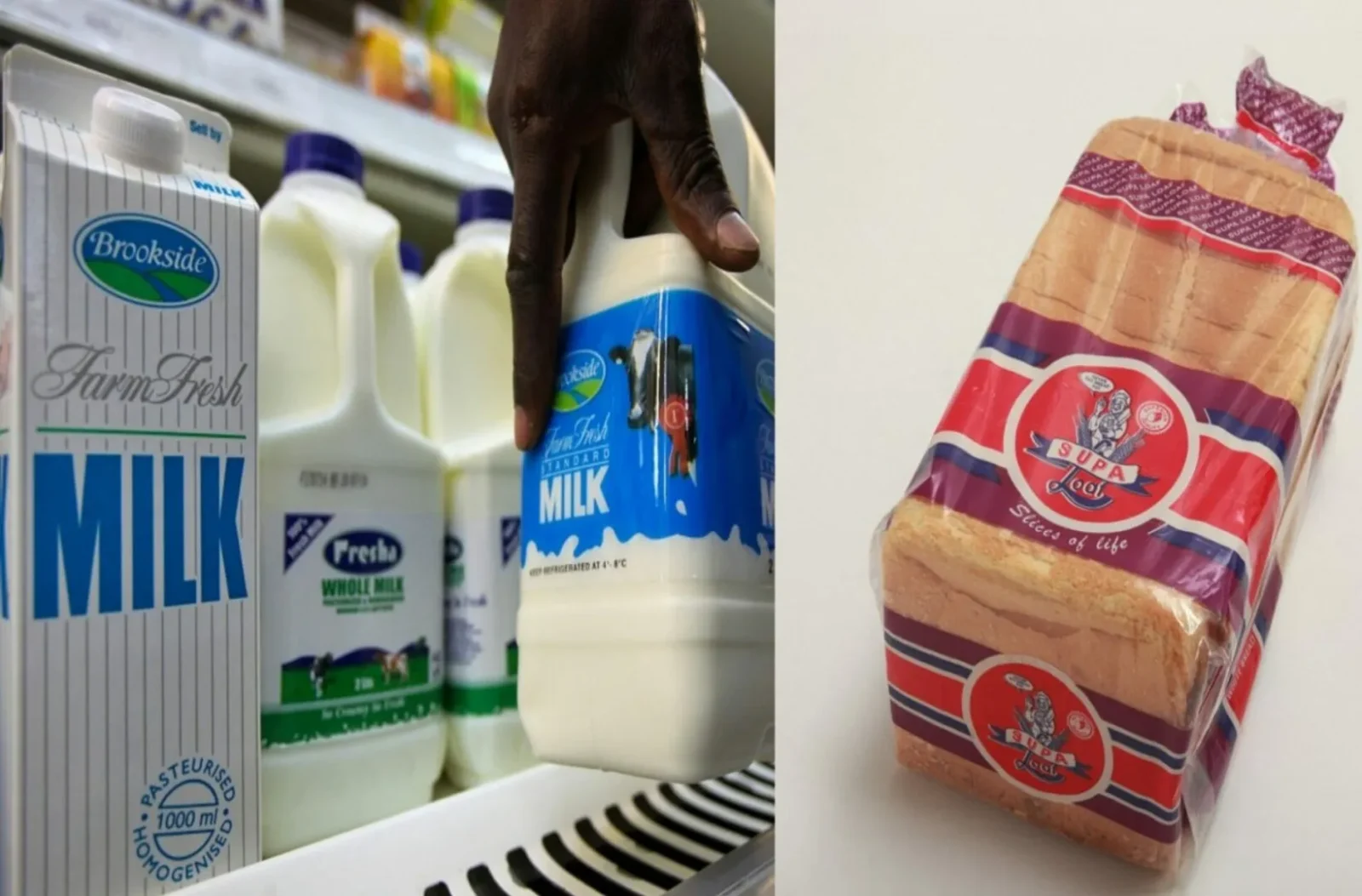
The Kenyan Treasury is contemplating the introduction of a 16 percent value-added tax (VAT) on milk and bread to address concerns regarding tax disparities. Treasury Cabinet Secretary Njuguna Ndung’u highlighted the necessity of this move to realign tax policies, ensuring equitable distribution of benefits across income groups.
Government studies reveal that the current zero-rated VAT status on milk and bread primarily benefits the middle class, prompting the need for adjustment. The potential VAT implementation may lead to a modest increase in consumer prices, with a projected rise of approximately Sh9 for a standard 400g loaf of bread.
To mitigate the impact on consumers, the government explores innovative solutions, including direct refund claims with the Kenya Revenue Authority (KRA) using electronic receipts. The success of this initiative hinges on the impending rollout of the electronic tax invoice management system (eTIMS), scheduled for implementation by March 31.
In tandem with these developments, the tax landscape for small businesses undergoes changes, with the KRA rescinding its decision to exempt certain entities from producing invoices through the eTIMS. This underscores the tax authority’s commitment to modernizing tax administration and ensuring compliance across all sectors.
As stakeholders brace for potential shifts in consumer behavior and operational procedures, the outcome of these deliberations will undoubtedly shape Kenya’s economic landscape in the foreseeable future.
photo source: Google
By: Montel Kamau
Serrari Financial Analyst
14th March, 2024