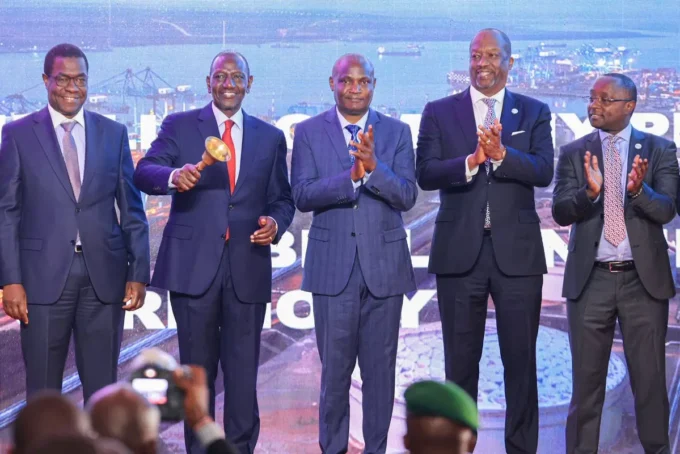

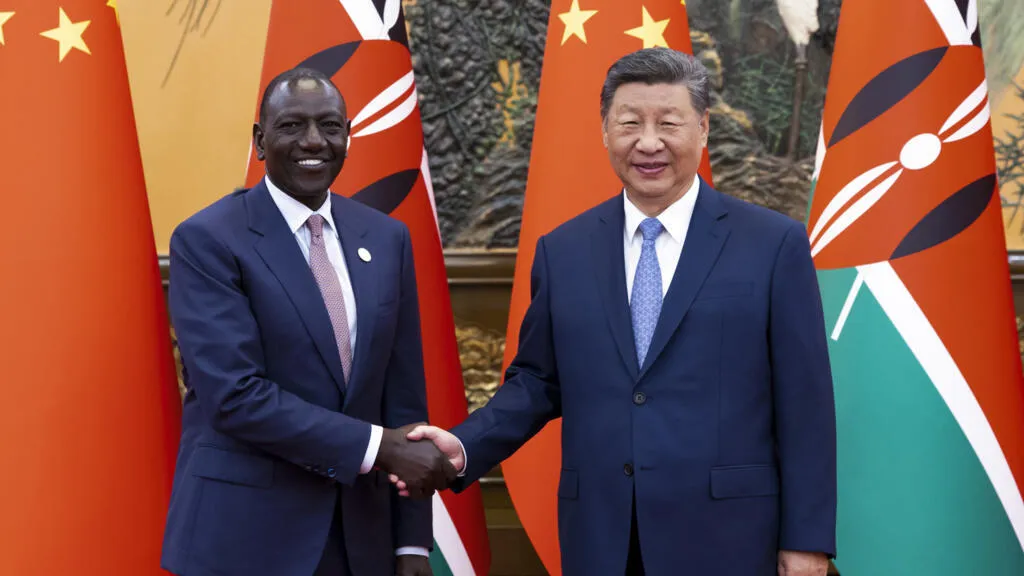
Kenyan exporters of agricultural produce are set to benefit from a significant trade breakthrough as the country finalizes a bilateral agreement with China. This landmark deal, which grants duty-free access to the Chinese market for key Kenyan exports, marks a pivotal moment in Kenya’s foreign trade policy. Concluded following high-level talks during President William Ruto’s state visit to Beijing, the agreement is poised to reshape the economic relationship between the two nations and provides a strategic answer to recent global trade challenges.
Fuel your success with knowledge that matters. Enroll in career-defining programs: ACCA, HESI A2, ATI TEAS 7, HESI EXIT, NCLEX-RN, NCLEX-PN, and Financial Literacy. Join Serrari Ed now and take control of your future.
The New Trade Agreement: Details and Economic Significance
The core of this new agreement is the reciprocal removal of tariffs on a range of Kenyan agricultural products entering the massive Chinese market. Previously, as a lower-middle-income country, Kenya faced a significant disadvantage, with its exports to China being subjected to a 10 per cent duty. This tariff had a substantial impact, making Kenyan goods less competitive compared to those from neighboring countries, which often enjoyed zero-duty access. The new arrangement, as highlighted by Investments, Trade, and Industry Cabinet Secretary Lee Kinyanjui, eliminates this barrier, placing Kenya on a level playing field and allowing its exporters to sell their products directly to China without the added cost.
This is particularly critical for Kenya’s leading agricultural products, including tea, coffee, and avocados, which are explicitly mentioned in the deal. For the thousands of Kenyan farmers and exporters, this means a direct boost to their bottom line, as the savings from the removed tariffs can be reinvested or passed on to consumers, making their products more attractive. The deal also opens up opportunities for “other agricultural exports,” a category that could encompass a wide range of products like fresh flowers, nuts, and various fruits, providing diversification beyond the traditional exports.
The agreement’s impact extends beyond individual sectors. It is expected to significantly address the long-standing trade imbalance between Kenya and China. President Ruto pointed out that Kenya imports products worth over Sh600 billion from China while only exporting a fraction of that amount. By removing tariffs, the deal provides a powerful incentive for Kenyan businesses to increase their exports, thereby narrowing this trade deficit and bringing more foreign currency into the country. The finalization of the “bilateral instruments” is the last step before the deal comes into effect, a process expected to be completed within a few months, and the business community is eagerly awaiting its implementation.
A Strategic Shift in Kenya’s Foreign Policy and Geopolitical Context
The timing and nature of this agreement are a clear indication of a strategic shift in Kenya’s foreign policy. President Ruto’s administration is actively pursuing a strategy of economic diplomacy, prioritizing bilateral and multilateral trade deals that serve the country’s national interest. The President’s comments about being “under pressure to reduce its engagement with China” allude to the ongoing geopolitical competition between major global powers, particularly the United States and China. While the US remains a key partner for Kenya, the new trade deal with China demonstrates Kenya’s commitment to an independent and diversified foreign policy that is not dictated by external pressures.
This move is particularly relevant in the context of the newly imposed 10 per cent US tariff on certain Kenyan exports. While the specifics of this tariff are still being analyzed, its implementation serves as a stark reminder of the risks of over-reliance on a single trade partner. The China deal, in this sense, acts as a hedge, ensuring that Kenyan exporters have alternative, lucrative markets to turn to. It’s a proactive step to secure economic stability and growth by leveraging Kenya’s position as a key partner to multiple global players.
This broader context also includes the looming expiry of the African Growth and Opportunity Act (AGOA), a non-reciprocal trade preference program by the United States. AGOA allows eligible sub-Saharan African countries to export thousands of products to the US duty-free. Since its inception, AGOA has been a cornerstone of Kenya’s trade with the US, particularly for the textile and apparel sector. However, the program is set to expire, and there is significant uncertainty about its renewal. As Kepsa Vice Chairman Jas Bedi noted, this uncertainty, combined with a rise in global protectionism, makes the pursuit of new, more stable trade agreements like the one with China an urgent necessity for Kenya.
Ready to level up your career? Join our expert-led courses in ACCA, HESI A2, ATI TEAS 7, HESI EXIT, NCLEX-RN, NCLEX-PN, and Financial Literacy. At Serrari Ed, we turn potential into achievement. Start your journey today!
Kenya’s New Global Trade Order: A Network of Strategic Partnerships
The China deal is not an isolated event but a part of a larger, deliberate strategy by the Kenyan government to reposition itself in the global trade landscape. President Ruto’s administration has made it clear that “every country pushes for what is in its best interest, so must Kenya.” This philosophy is driving a series of bilateral and multilateral agreements designed to open new markets and secure favorable terms for Kenyan goods and services.
This is best demonstrated by several recent agreements that have already come into effect or are in the final stages of negotiation. The Economic Partnership Agreement (EPA) with the European Union, which came into effect last year, is a key example. This comprehensive agreement provides Kenyan exports, including flowers, fruits, and vegetables, with duty-free and quota-free access to the entire EU market. It is a reciprocal agreement, meaning it also opens up the Kenyan market to EU goods over time, but its immediate benefit is in securing a stable and predictable market for Kenya’s agricultural sector.
Similarly, the Comprehensive Economic Partnership Agreement (Cepa) with the United Arab Emirates, signed in early 2025, is another pillar of this new strategy. This deal focuses on a broader range of sectors, including services and investments, in addition to goods. By securing access to a major global hub like the UAE, Kenya is not just gaining a new market for its products but also a gateway to the wider Middle Eastern and Asian markets.
Beyond these major deals, Kenya is actively engaged in negotiations with other key economies. The President mentioned that the country is “in a good place” with both Turkey and Canada, and is working towards a breakthrough with India. These negotiations signal a clear intent to build a diverse network of trade partners. For instance, a deal with India could unlock access to another massive market for agricultural products like tea and coffee, while agreements with Canada and Turkey would further diversify Kenya’s export destinations and reduce its reliance on traditional partners.
The Broader Economic Impact and Private Sector Outlook
The removal of the 10 per cent duty on exports to China has immediate and tangible benefits for the Kenyan private sector. Previously, some creative but costly solutions were employed to bypass this tariff. As CS Kinyanjui explained, some importers would take their products to neighboring countries, such as Rwanda, and then export them to China as Rwandan products to take advantage of zero-duty access. This complex and inefficient process will now be eliminated, allowing Kenyan businesses to export directly and streamline their supply chains, leading to reduced costs and increased efficiency.
Kenya Private Sector Alliance (Kepsa) Vice Chairman Jas Bedi’s comments about increased protectionism and transactional trade agreements resonate with the new global reality. The traditional multilateral trade frameworks are being challenged, and countries are increasingly looking inward or towards specific, reciprocal deals. This is a challenge, but also an opportunity. The Kenyan government’s proactive approach to securing bilateral deals with major economies demonstrates a clear understanding of this new reality. The private sector is now called upon to respond to these new opportunities by increasing production, improving quality, and meeting the specific standards of these new markets. The deal with China, for example, presents a huge opportunity to scale up production and meet the demands of a 1.4 billion-strong consumer base.
Challenges and Future Outlook
While the new duty-free access to China is a major victory, it is important to acknowledge the challenges that lie ahead. The deal’s success will depend on how effectively Kenyan exporters can navigate the new market. This includes understanding and complying with China’s specific sanitary and phytosanitary standards, logistical challenges, and marketing their products to a different consumer base. The government and private sector will need to work together to provide support and information to businesses to ensure they can fully capitalize on this opportunity.
Furthermore, the negotiations with other countries, such as India, Turkey, and Canada, need to be concluded successfully to solidify Kenya’s position in the new global trade order. Each negotiation will come with its own set of challenges and opportunities, and the government must continue to prioritize agreements that are in the country’s best interest.
In conclusion, the China duty-free trade deal is a transformative step for Kenya. It not only addresses a significant trade imbalance and provides a strategic alternative to traditional partners but also signals a new, confident approach to global economic engagement. By actively pursuing a network of diverse and strategic trade partnerships, Kenya is positioning itself to thrive in an increasingly complex and protectionist global environment. The new era of Kenyan trade is here, and it is built on a foundation of proactive diplomacy and a clear focus on the nation’s economic interests.
Ready to take your career to the next level? Join our dynamic courses: ACCA, HESI A2, ATI TEAS 7 , HESI EXIT , NCLEX – RN and NCLEX – PN, Financial Literacy!🌟 Dive into a world of opportunities and empower yourself for success. Explore more at Serrari Ed and start your exciting journey today! ✨
photo source: Google
By: Montel Kamau
Serrari Financial Analyst
7th August, 2025