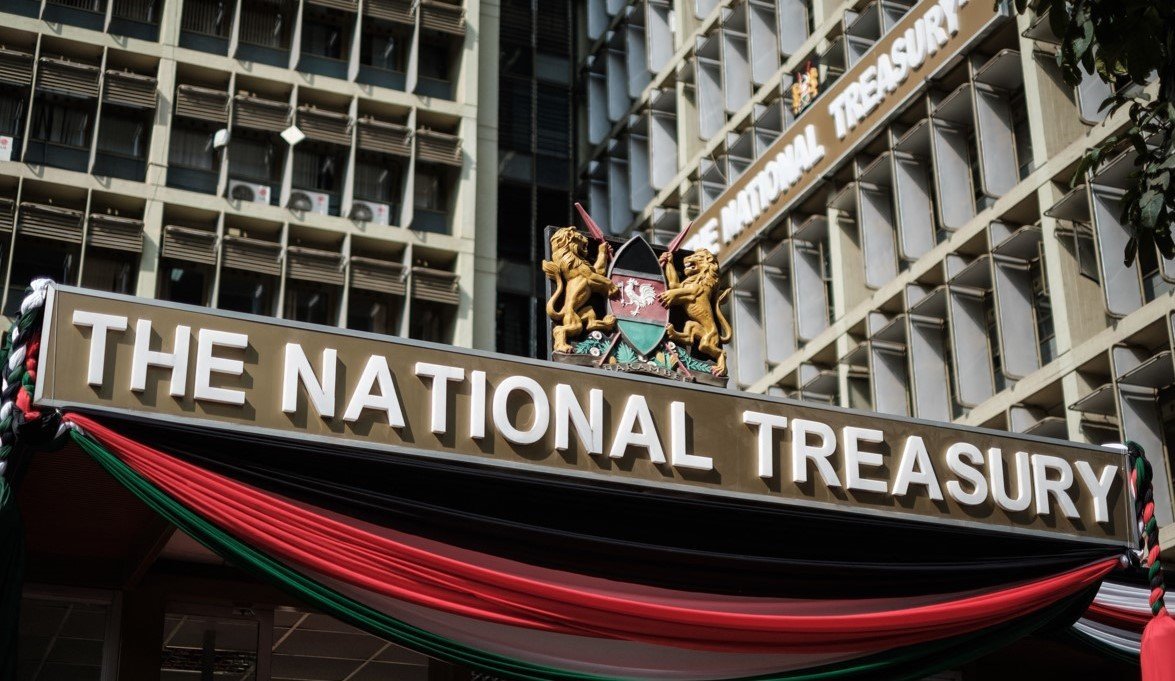
Kenya’s National Treasury announced on Monday that it will discontinue the issuance of the one-year Treasury bill, marking a significant shift in its debt management approach. The decision comes as part of a broader strategy to reduce the country’s reliance on short-term debt and instead prioritize longer-term maturities.
The new policy will leave Kenya issuing only two Treasury bill instruments: the 91-day and 182-day notes. The Treasury’s move is detailed in its recently published debt management strategy paper, which outlines efforts to stabilize public finances and address the mounting challenges posed by the country’s heavy debt burden.
A Strategic Shift to Longer-Dated Debt
The Treasury’s decision to halt the issuance of one-year Treasury bills is a response to the growing risks associated with short-term borrowing. According to the debt management strategy paper, 18.6% of Kenya’s domestic debt is set to mature by June 2025, driven largely by short-term instruments coming due.
By favoring medium- to long-term debt securities, the government aims to smoothen its debt repayment obligations and reduce the frequency of refinancing. “The target is to gradually reduce the stock of Treasury bills while lengthening debt maturity,” the paper states. This approach is expected to provide greater predictability in public debt management and ease the fiscal strain caused by frequent rollovers of short-term debt.
Kenya’s Debt Landscape: A Growing Challenge
Kenya has been grappling with an escalating debt crisis, with its public debt-to-GDP ratio exceeding 65% as of late 2024. The country’s external debt obligations have surged, compounded by a depreciating Kenyan shilling and rising global interest rates. Domestic debt, which accounts for a significant portion of the country’s overall debt portfolio, has also been a source of concern due to its short-term nature and high rollover risks.
In recent years, the government has relied heavily on Treasury bills and bonds to fund budget deficits. However, this strategy has left Kenya vulnerable to fluctuations in domestic liquidity and market conditions. The high volume of maturing debt has put additional pressure on the government to secure new financing, often at higher interest rates.
Impact of Discontinued One-Year Treasury Bill
The decision to phase out the one-year Treasury bill is expected to have several implications for Kenya’s financial markets and broader economy:
- Market Reaction:
Investors who have traditionally favored the one-year Treasury bill for its relatively higher yields may now shift their focus to the 91- and 182-day instruments. While these shorter maturities offer lower yields, they provide quicker liquidity, which could appeal to certain market participants. - Borrowing Costs:
The move to longer-dated securities may help lower borrowing costs for the government in the long run. By issuing bonds with extended maturities, Kenya can lock in interest rates and reduce the frequency of refinancing, thereby mitigating the risks of rising rates. - Investor Confidence:
The Treasury’s emphasis on longer-term debt management could signal fiscal discipline to investors, potentially boosting confidence in Kenya’s ability to meet its obligations. However, sustained implementation of the strategy will be crucial to achieving this outcome. - Banking Sector:
Kenyan banks, which are major holders of government securities, may need to adjust their portfolios in response to the new policy. The shift could influence their liquidity management practices and appetite for government debt.
Debt Management Amid Economic Challenges
The move to discontinue the one-year Treasury bill comes at a time when Kenya is facing significant economic headwinds. In 2024, the country experienced widespread protests triggered by proposed tax hikes, which the government ultimately abandoned. These events disrupted economic activity and forced the government to explore alternative financing options to bridge budget gaps.
Kenya’s fiscal challenges are further exacerbated by a volatile global economic environment. The rise in international borrowing costs has limited the country’s access to affordable external financing, prompting greater reliance on domestic markets. However, the high levels of domestic debt have raised concerns about crowding out private sector investment and limiting credit availability to businesses.
Broader Economic Reforms Needed
While the shift away from short-term debt is a positive step, analysts emphasize that it must be complemented by broader economic reforms to achieve sustainable fiscal stability. Key areas of focus include:
- Revenue Mobilization:
Kenya’s tax-to-GDP ratio remains relatively low compared to regional peers. Enhancing tax collection efficiency and expanding the tax base will be critical to reducing reliance on borrowing. - Expenditure Rationalization:
The government needs to prioritize spending on productive sectors while curbing wasteful expenditures. Efforts to streamline public administration and reduce corruption will also play a vital role in improving fiscal health. - Debt Transparency:
Greater transparency in public debt reporting and management is essential to building trust among investors and development partners. Clear communication about debt strategies and progress will help strengthen confidence in Kenya’s fiscal policies. - Private Sector Engagement:
Encouraging private sector participation in infrastructure projects and other development initiatives can help reduce the fiscal burden on the government. Public-private partnerships (PPPs) offer a viable model for financing critical projects without exacerbating public debt.
Global Context: A Shift in Emerging Market Debt Strategies
Kenya’s move to reduce short-term debt aligns with a broader trend among emerging markets seeking to manage rising debt burdens. Countries like Ghana and Zambia, which have faced severe debt crises in recent years, are also pursuing measures to restructure their debt and extend maturities. These efforts are being closely monitored by international financial institutions such as the International Monetary Fund (IMF) and the World Bank, which have called for prudent debt management practices in developing economies.
Kenya’s debt strategy could serve as a model for other nations grappling with similar challenges. By prioritizing fiscal discipline and adopting innovative financing solutions, the country has the potential to navigate its current difficulties and lay the groundwork for sustainable economic growth.
Looking Ahead: The Path to Recovery
As Kenya implements its new debt management strategy, the focus will be on balancing short-term financing needs with long-term fiscal sustainability. Success will depend on the government’s ability to maintain market confidence, mobilize domestic revenue, and foster an environment conducive to economic growth.
The Treasury’s decision to discontinue the one-year Treasury bill represents a critical step in addressing the country’s debt challenges. However, it is only one piece of the puzzle. Achieving lasting fiscal stability will require a concerted effort from policymakers, the private sector, and development partners to address structural economic issues and unlock Kenya’s full potential.
Ready to take your career to the next level? Join our dynamic courses: ACCA, HESI A2, ATI TEAS 7 , HESI EXIT , NCLEX – RN and NCLEX – PN, Financial Literacy!🌟 Dive into a world of opportunities and empower yourself for success. Explore more at Serrari Ed and start your exciting journey today! ✨
photo source: Google
By: Montel Kamau
Serrari Financial Analyst
20th January, 2024