

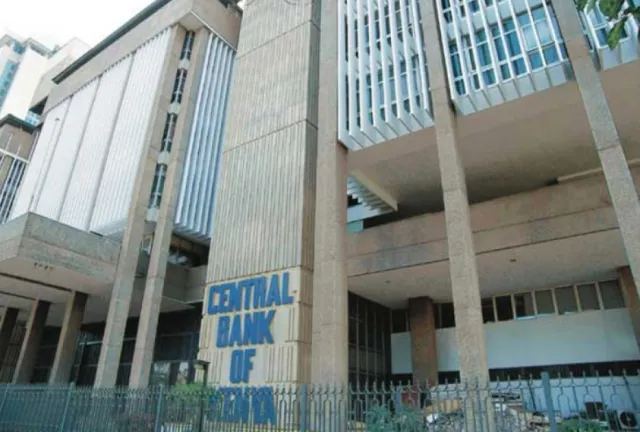
The Kenya shilling is displaying signs of resilience, with its monthly free fall slowing to a modest one percent, a noteworthy improvement from the steep 4.3 percent decline witnessed in March. The recent stabilization follows a directive from the Central Bank of Kenya (CBK), which sought explanations from ten banks for what appeared to be excessively high dollar transactions.
In response to the CBK’s intervention, major banks, including Equity, NCBA, I&M, and Stanbic, have adjusted their commercial dollar rates. The Business Daily’s analysis indicates a substantial reduction in the spread, the difference between buying and selling rates. This spread has halved to an average of 5.8 units this week, a significant drop from the 10.4 units recorded in April. Moreover, the delta, representing the peak difference, has narrowed from 16 units.
The impact of the CBK’s regulatory measures extends beyond numerical improvements. The scrutiny has prompted banks to reassess their foreign exchange practices, fostering a more balanced and competitive environment in the foreign exchange market. This intervention not only arrested the shilling’s free fall but also underscored the importance of adherence to regulatory frameworks in the banking sector.
Observers attribute the positive shift to increased accountability within the banking sector, aligning their practices with regulatory expectations. This development instills confidence not only in the stability of the Kenyan shilling but also in the broader investment landscape.
As the global economic landscape remains unpredictable, the recent improvements may suggest a positive trajectory for the Kenya shilling. Investors and businesses are cautiously optimistic, closely monitoring how the CBK’s vigilant stance will continue to influence and stabilize the currency’s value in the dynamic forex market.
Photo (By Leslie Gakuru)
By: Montel Kamau
Serrari Financial Analyst
22nd November, 2023