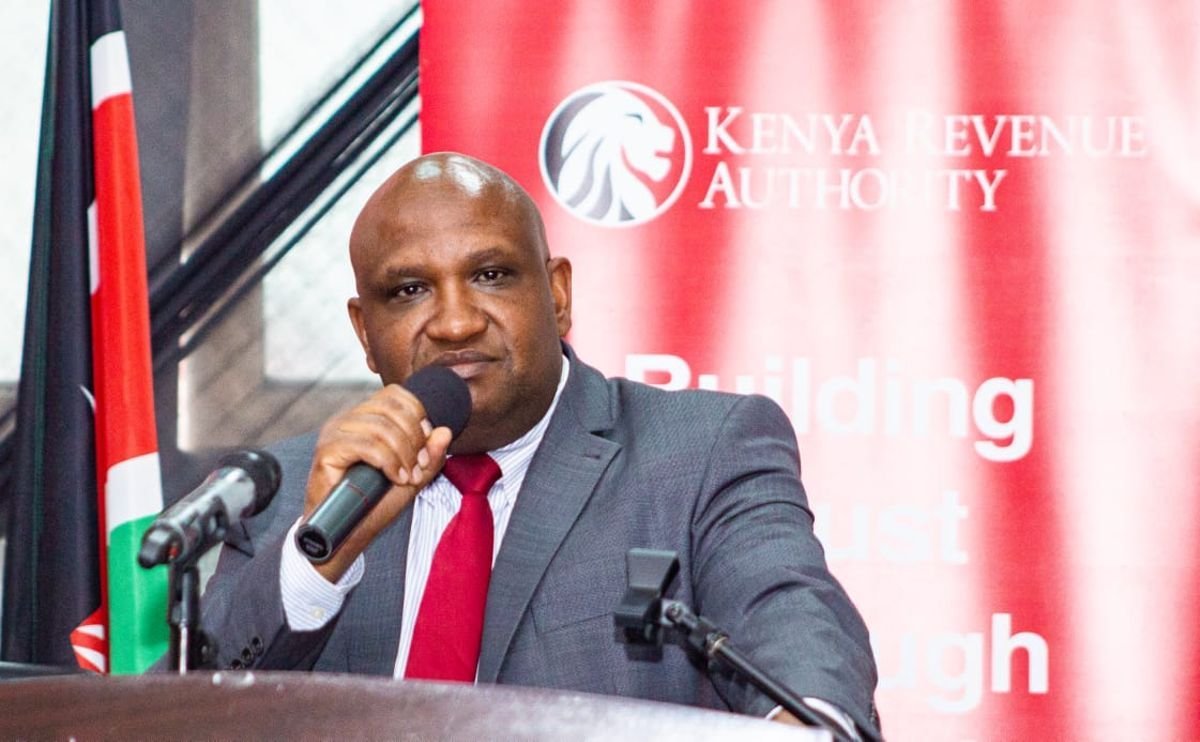
The Kenya Revenue Authority (KRA) faces a significant challenge in meeting its tax collection target for the current financial year, falling short by an anticipated Sh330 billion, as revealed by the Parliamentary Budget Office (PBO).
Despite efforts, KRA’s collections have only reached 55 percent of the targeted Sh2.49 trillion since July last year, leaving a substantial gap to fill within the remaining four months.
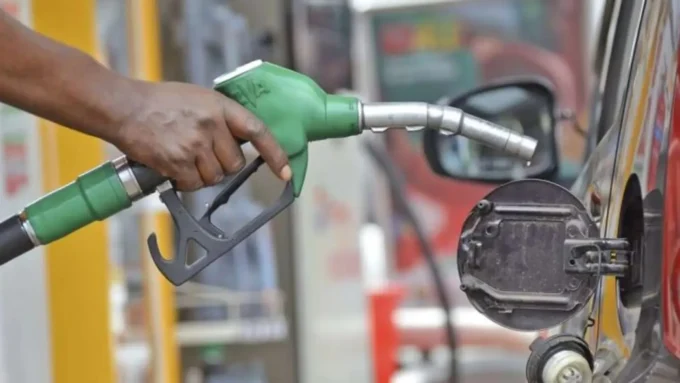
Factors contributing to this shortfall include increased taxation, such as the doubling of Value Added Tax (VAT) on fuel to 16 percent, which has led to reduced consumer spending and economic strain.
Furthermore, cuts in development project expenditures have hindered critical infrastructural advancements, impacting sectors crucial for job creation and economic growth, such as roads, water, and housing.
To mitigate the fiscal deficit, the government has resorted to substantial borrowing, including Sh545.6 billion from domestic markets and Sh474 billion from external sources since July last year.
In response to tax evasion and fraud, KRA has intensified enforcement efforts, resulting in the seizure of illicit goods worth Sh2 billion and curbing losses exceeding Sh1 billion since July 2022.
The looming revenue shortfall underscores the need for prudent fiscal management and strategic measures to bridge the gap and sustain economic stability.
photo source: Google
By: Montel Kamau
Serrari Financial Analyst
26th March, 2024