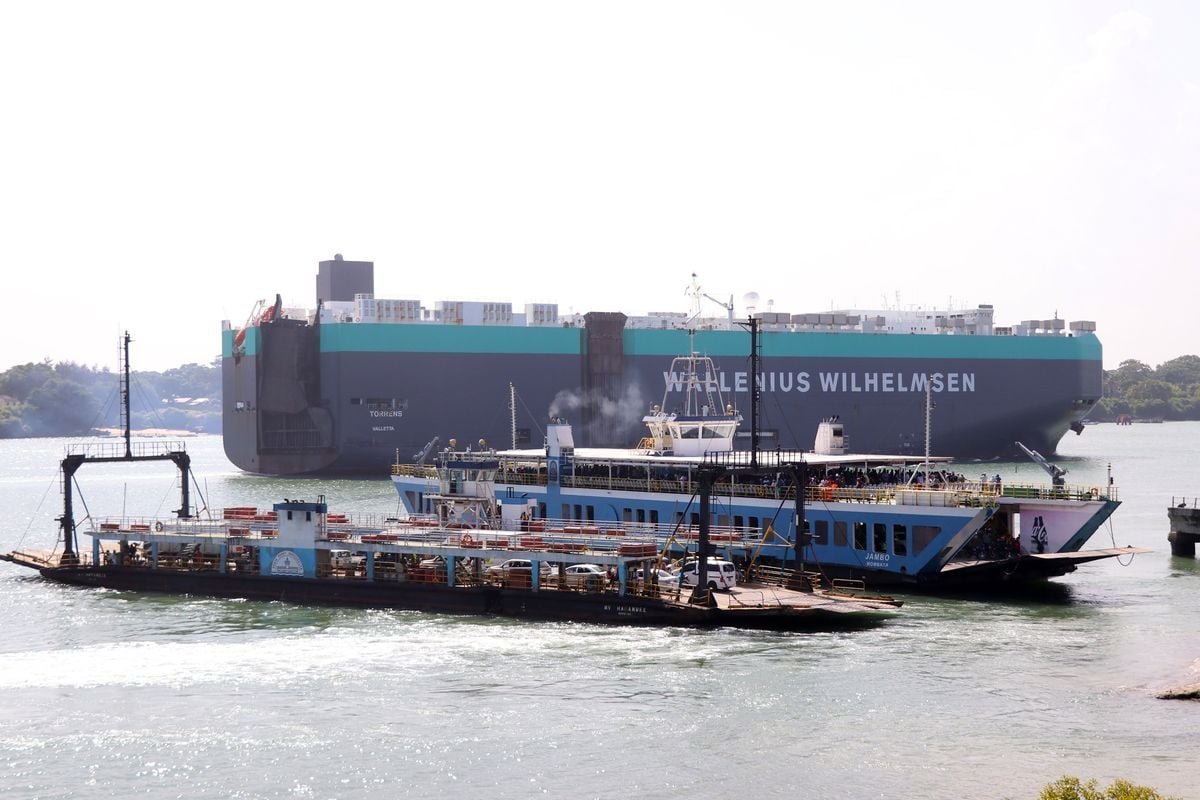
Kenya recently reversed a set of stringent regulations targeting foreign ownership in the maritime transport sector, averting a potential disruption at the Port of Mombasa, one of East Africa’s key trade gateways. The move, announced by Prime Cabinet Secretary Musalia Mudavadi, came after widespread outcry from industry stakeholders, who argued the regulations could discourage foreign investment and harm Kenya’s economy.
Background on the Controversial Regulations
The Merchant Shipping (Maritime Transport Operators) Regulations, 2024, proposed that foreign operators hold only minority stakes in local maritime transport companies, aiming to increase Kenyan control over the industry. The regulations also mandated foreign operators to engage in joint ventures with Kenyan companies, restrict the share of foreign employees to 10 percent, and required licensing exclusively through the Kenya Maritime Authority (KMA). Additionally, it limited appeal processes for licensing decisions to the KMA’s director-general, bypassing Kenya’s independent judiciary.
This regulatory shift was initially intended to protect local players and bolster Kenya’s economy by prioritizing domestic control over its shipping and logistics sectors. However, the plan quickly faced resistance from shipping agents and foreign operators, who argued that it would increase operational burdens and expose foreign investors to financial risks, particularly as Mombasa Port serves as a critical hub for the region, handling cargo for countries like Uganda, Rwanda, and the Democratic Republic of Congo.
Concerns from the International Shipping Community
The backlash to the regulations was immediate, with international shipping lines and agencies, led by the Kenya Ship Agents Association (KSAA), filing a lawsuit challenging the regulations’ constitutionality. The KSAA warned that the restrictions would jeopardize Kenya’s standing as a business-friendly environment, drive business to competing ports like Tanzania’s Dar es Salaam, and strain Kenya’s obligations under international trade agreements.
One significant concern was the potential fallout with Kenya’s trade partners, particularly the European Union (EU), which has strong economic ties with the country. The EU-Kenya Economic Partnership Agreement (EPA), which took effect on July 1, 2024, encourages investment and ensures market access for Kenyan goods to the EU, a major market for Kenya’s agricultural exports, including vegetables, fruits, and flowers. In 2023, about 16 percent of Kenyan exports, valued at $1.28 billion, were destined for Europe, while overall EU-Kenya trade reached $3.3 billion in 2022. Any restrictions that could be seen as anti-investment would not align with the EPA’s goals, which include creating a stable and predictable investment environment in Kenya.
Kenya’s Decision to Rescind the Regulations
Prime Cabinet Secretary Mudavadi, in response to the growing criticism, announced that the regulations would be rescinded and adjusted to preserve Kenya’s investment climate. In an advisory to the Ministry of Mining, which oversees maritime affairs, Mudavadi highlighted Kenya’s status as a free-market economy and a regional investment hub. He emphasized the importance of maintaining Kenya’s attractiveness for foreign investors, particularly in sectors critical to the country’s trade and economic growth.
The government reassured the maritime industry that all operators, both local and foreign, would receive licenses for 2025 under previous regulatory criteria, without the new restrictions. “Kenya is a free-market economy and a hub for international investment,” Mudavadi stated, adding that the regulations would be reconsidered to foster a better regulatory framework that supports both domestic and foreign interests.
This reversal signifies Kenya’s strategic focus on maintaining its competitiveness as East Africa’s primary maritime and logistics center. November is typically a peak season for maritime cargo orders, which are delivered by early January. Had the restrictive regulations gone into effect, it could have deterred clients and diverted business to neighboring ports, especially in Tanzania, which has been working to improve its logistics infrastructure.
Legal Proceedings and Industry Implications
Despite the government’s rescinding of the regulations, the KSAA’s legal challenge remains active, with a court ruling on the matter scheduled for February 6, 2025. The lawsuit addresses the constitutional legality of the regulations and seeks assurances that Kenya’s maritime policies will not jeopardize investments. The legal challenge highlights the delicate balance between promoting local economic interests and honoring Kenya’s commitments to global trade standards.
Kenya’s maritime transport sector has been an essential part of its economy, as the Port of Mombasa is one of the busiest in East Africa, serving not only Kenya but also several landlocked neighbors. The sector supports trade in goods such as agricultural produce, oil, and machinery, and the port’s operations contribute significantly to Kenya’s GDP. Any regulatory changes that threaten foreign investment can have a ripple effect, impacting port revenues, logistics companies, and regional trade.
Impact on the EU-Kenya Economic Partnership Agreement
The EPA between Kenya and the EU has played a substantial role in expanding Kenya’s access to European markets and encouraging investment in various sectors. The agreement provides incentives for Kenya’s exports to the EU while requiring Kenya to create a stable and secure environment for foreign investments. The rescinded regulations could have conflicted with these obligations, potentially undermining Kenya’s reputation with EU stakeholders.
Kenya’s relationship with the EU has been instrumental in diversifying its export portfolio beyond traditional markets, allowing Kenyan businesses to benefit from preferential tariffs in the EU. Maintaining a positive investment climate is therefore vital to ensuring the continued success of the EPA and fostering economic growth in sectors like agriculture, which forms a large portion of Kenya’s export economy.
Kenya’s Maritime Sector in Context of Regional Trade
Kenya’s leadership in the East African maritime sector has faced increasing competition from Tanzania, which has invested in modernizing the Port of Dar es Salaam and streamlining customs procedures. In recent years, Tanzania’s port has gained traction as an alternative to Mombasa, attracting clients looking for more efficient and cost-effective services.
To maintain its dominance, Kenya has been working to enhance the Mombasa Port’s efficiency, including initiatives to digitalize customs procedures, reduce cargo processing times, and improve transport links. Repealing the restrictive maritime regulations can be seen as a move to safeguard Kenya’s position in the regional logistics sector, where maintaining strong international partnerships is key to sustaining growth and competitiveness.
Future of Maritime Policy and Regulatory Reforms in Kenya
The reversal of the maritime regulations marks a critical juncture for Kenya’s policy direction in the shipping and logistics industry. Prime Cabinet Secretary Mudavadi recommended that the Ministry of Mining collaborate closely with industry stakeholders to establish a regulatory framework that aligns with Kenya’s economic goals and investment commitments. This collaborative approach is expected to foster a more balanced regulatory environment that supports Kenya’s growth ambitions while honoring foreign investment standards.
The creation of a presidential commission to review Kenya’s taxation and regulatory policies further demonstrates the government’s commitment to resolving issues that hinder foreign investment. This commission, established in response to complaints from domestic and foreign businesses about tax administration challenges, is tasked with ensuring that Kenya’s regulatory framework is transparent and investor-friendly.
Moving forward, the maritime sector is likely to witness more tailored reforms designed to attract investment while supporting the development of local enterprises. By balancing local economic aspirations with global investment standards, Kenya aims to solidify its role as the primary logistics hub in East Africa and boost its position in the global shipping and trade network.
Conclusion
Kenya’s reversal of the Merchant Shipping (Maritime Transport Operators) Regulations, 2024 underscores the government’s dedication to maintaining a favorable investment climate for both local and foreign stakeholders. As East Africa’s largest port and a vital economic artery, the Port of Mombasa plays a critical role in supporting trade and regional connectivity.
This regulatory adjustment not only averts potential disruptions in the maritime sector but also strengthens Kenya’s standing with international partners. The move signals the government’s strategic focus on preserving Kenya’s appeal to investors, safeguarding its regional leadership in trade logistics, and upholding its commitments under agreements like the EU-Kenya Economic Partnership. As the maritime industry awaits a more favorable regulatory framework, Kenya’s proactive stance highlights the delicate balance between economic sovereignty and the need for a collaborative, open investment environment.
Ready to take your career to the next level? Join our dynamic courses: ACCA, HESI A2, ATI TEAS 7 and HESI EXIT !🌟 Dive into a world of opportunities and empower yourself for success. Explore more at Serrari Ed and start your exciting journey today! ✨
Photo source: Google
By: Montel Kamau
Serrari Financial Analyst
13th November, 2024